

Are Seedless Fruits Genetically Modified?
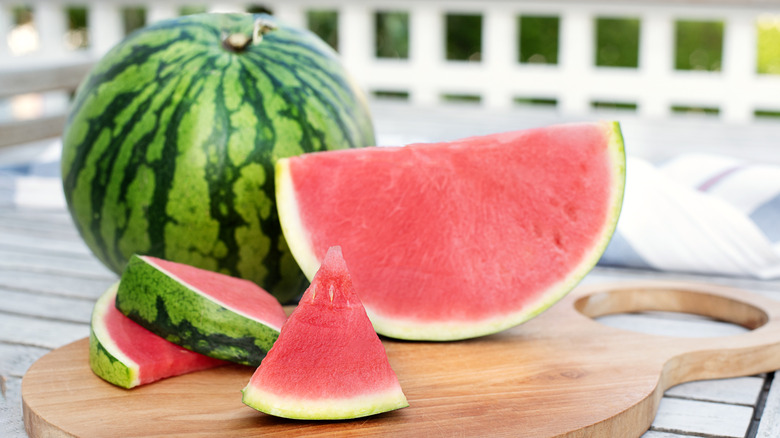
Many people wonder how seedless fruit can possibly be produced, if not by genetic modification. However, in reality, commercially available seedless fruit is created through various marvels of human intervention and cultivation techniques, not the process of genetic modification.
Confusion often comes from misunderstandings about the meaning of genetic modification. According to the FDA, a genetically modified organism is one that has its DNA altered or has another organism's DNA added to it. While many common fruits and vegetables sold today are actually man-made, this doesn't mean they've had their DNA altered. Most seedless fruit was developed through human involvement in natural processes: selective breeding, exploitation of natural mutations, plant grafting, and chromosome crossing.
Selective breeding has been practiced for about 12,000 years and involves breeding two parent plants with desirable traits to create a best-of-both-worlds offspring plant. A relatively modern example is illustrated in the science behind seedless watermelons, which involves crossing a standard watermelon plant with a plant that is chemically treated when young to inhibit its cell division. Any watermelon plants from these parents will bear seedless fruit. However, seedless fruit also occurs naturally, through a plant mutation known as parthenocarpy, which is a part of the science behind seedless oranges. A branch of a naturally mutated orange tree can be cut off and grafted onto the base of a normal tree with no mutation to produce seedless fruit. This practice of strategic grafting has been around for more than 4,000 years.
How genetic modification differs from other methods

While long-standing techniques for making seedless fruit have been practiced for thousands of years, lab-based genetic modification only began in the 1970s. Compared to traditional agricultural techniques, this process allows more immediate and specific changes to an organism. In human terms, you can compare the traditional technique of selective breeding to arranged marriages. Pairing parents with desirable traits doesn't mean their child will necessarily have the desired traits from each parent. Selective breeding involves trial and error, and time for generations to mature. Meanwhile, genetic engineering can be compared to the production of designer babies, where genetic material is altered in vitro to remove (or add) traits.
The science of developing genetically modified organisms (GMOs) for foods is comparatively new and sometimes viewed with suspicion by consumers. Businesses recognize that some customers avoid these foods, and this is the reason why there are no GMOs in Trader Joe's products — but the grocery chain still offers seedless fruit.
Nonetheless, there are plenty of myths about GMO foods floating around, so take time to get educated on what the term actually means. Just know that this practice it's not required to make seedless fruit.