

Should You Grow Cucumbers And Tomatoes Together? Here's What To Consider
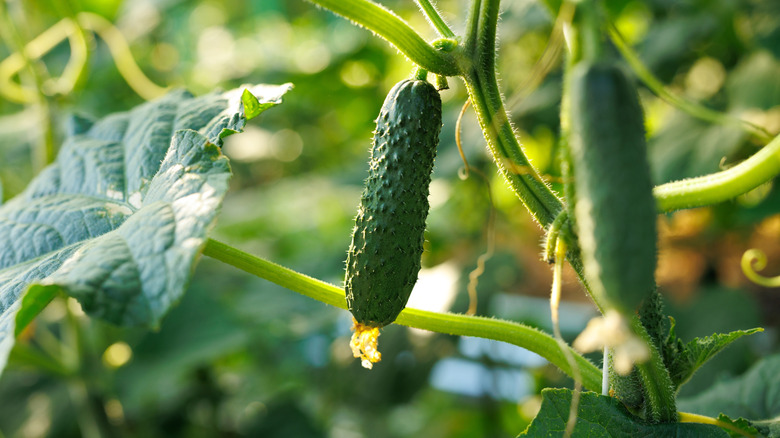
Cucumbers and tomatoes are staples of the summer garden. Given the right amount of sunlight, water, and fertilizer, they'll reward growers with an abundant harvest. But when it comes to growing cucumbers and tomatoes side by side, opinions are divided. Some gardening experts recommend planting them together, while others advise avoiding the combination altogether. So what's the real story?
It turns out there are both pros and cons to growing tomatoes and cucumbers in proximity. Since both have similar needs for sunlight, water, and nutrients, they can benefit from being planted in the same area. And while companion planting is a tried-and-true organic gardening practice, there are several common mistakes gardeners should avoid to ensure success.
For instance, both tomatoes and cucumbers are warm-season crops that require full sunlight, at least six hours per day, but ideally 8-10 hours for maximum fruit production. However, because both grow as vigorous, sprawling vines, they can easily shade each other if not spaced properly. They're also heavy feeders that rely on rich soil, meaning they may compete for nutrients, potentially reducing yields.
Tomatoes and cucumbers are often affected by the same pests and diseases. Tomatoes can attract whiteflies and aphids, which also wreak havoc on cucumbers, and can spread mosaic virus — a disease plants cannot recover from. Cucumber beetles may also transmit bacterial wilt. Both are also susceptible to blight — a fungal disease transmitted through spores — which can spread quickly, killing both crops.
How to plant cucumbers and tomatoes together for a bountiful harvest
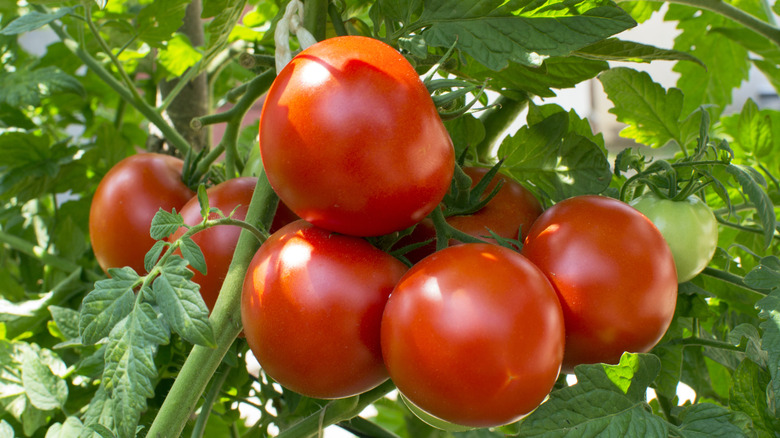
First, add compost to the soil before planting and fertilize throughout the season to ensure plants have the nutrients they need and to reduce competition. Space them to allow enough room between plants — ideally in rows three to four feet apart, with 18 to 24 inches between individual plants. Good air circulation is also crucial for keeping the leaves dry, since excess moisture can encourage spores and disease spread.
Spacing is also dictated by the variety of each crop you choose. Cucumbers come in vining and bush types, while tomatoes are classified as indeterminate — vining varieties that produce throughout the season — or determinate, which are bushier plants that set and ripen fruit all at once. Vining tomatoes and cucumbers will need support from a trellis or staking, so it's important to plant them where they don't shade each other as they grow vertically. Combining a bush tomato with a vining cucumber — or vice versa — will work perfectly, providing they both get equal access to sunlight.
Also, look for disease-resistant varieties of both vegetables. As delicious as heirloom tomatoes are, they are more susceptible to wilts and blight. Other ways to prevent pests and diseases are keeping leaves off the ground and using drip irrigation if possible.
Finally, take advantage of companion planting. Interplanting certain flowers and vegetables between cucumbers and tomatoes can boost biodiversity and benefit both crops. Radishes may help deter cucumber beetles, while marigolds can repel a range of pests, including aphids. Like marigolds, nasturtiums will attract beneficial insects to pollinate the flowers while repelling aphids and whiteflies and improving the flavor of cucumbers.
Following these guidelines, your tomatoes and cucumbers will grow well together and reward you with a bountiful harvest.