

The Unsettling Reason Beef Prices Could Continue To Skyrocket In 2026

U.S. beef prices are already historically high, and now, it looks like they might be getting even higher. The culprit is a parasite that ranchers haven't seen in decades. Texas and New Mexico are reporting cases of New World screwworm (NWS) appearing in cattle, indicating that this dangerous pest is spreading across some of the country's prime beef-ranching terrain.
Despite its name, a screwworm isn't exactly a worm — it's a maggot-like larva that evolves into a fly. The fly's parasitic larvae burrow into the flesh of living mammals, entering through an open orifice or wound. Since screwworm feeds on the flesh of live animals, and no livestock infected with screwworm will pass commercial inspection, the outbreak does not pose a threat to humans. Although this is not a food safety concern, the parasite can be endemic to livestock, posing another shock to an already historically low beef supply. Ranchers will need to offset the financial burden of extra contamination-containment labor and medicine. As cattle farming costs rise, so will retail beef prices. This outbreak has the potential to majorly impact grocery store beef costs across the U.S.
This is not the first screwworm outbreak to occur in the U.S. (the last epidemic hit Texas in the 1970s), and past outbreaks have been neutralized. However, illegal cattle smuggling in Central America has renewed the threat of screwworm to cattle on the move, spreading to Mexico and, now, the American Southwest. Cattle trafficking is a common money laundering channel for organized crime syndicates in Central America, and the practice bypasses critical health screenings – allowing diseases (including avian flu, tuberculosis, and screwworm) to spread to larger cattle feedlots. Screwworm cases in Central America have been on the uptick since 2023. At the time of publication, the USDA had confirmed nine infected cattle.
Screwworm's comeback arrives when the US cattle population is at an all-time low
The USDA and the Texas Animal Health Commission have already leapt into action to keep the outbreak contained. On June 5, Texas Governor Greg Abbott issued a disaster declaration for Zavala and Uvalde Counties, reassigning all available resources and government personnel across the state toward the NWS eradication effort, and waving the green flag on a new NWS Sterile Fly production facility in Edinburg. This method (which was developed in the 1950s and has proven effective in the past) breeds and releases millions of sterile male flies into the targeted area to mate with wild female NWS flies; because female NWS flies only mate once before dying, the population cannot reproduce and quickly dies off. This early action is crucial to mitigating animal loss and economic impact on the domestic livestock industry. Texans are being instructed to carefully inspect their livestock and pets daily until the screwworm threat is gone.
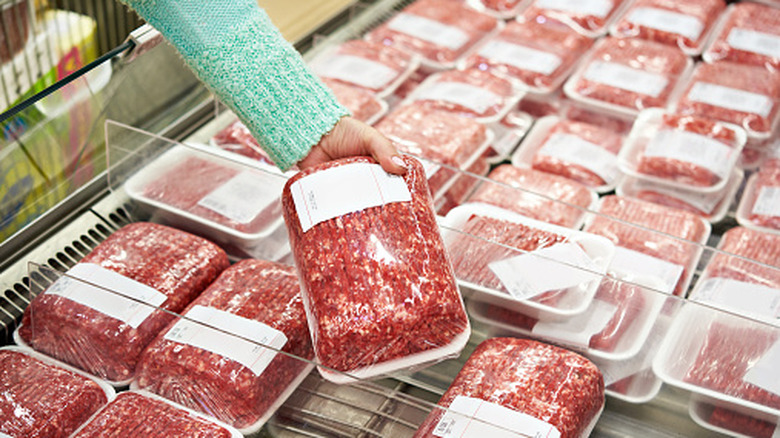
In the meantime, beef could be harder to find in grocery stores across the U.S., and the role of beef in the modern American's daily diet may be shrinking. Even before this outbreak, U.S. beef prices were the highest they've been in 70 years due to a record-low cattle supply. Historically, America leads the world in beef production, but prolonged drought has led to the smallest national cattle herd in 75 years. According to Beef Price Tracker, ground beef currently averages $6.75 per pound, and beef steaks fetch $12.80. Now, it looks like price tags could climb even higher over the upcoming months while the cattle population rebuilds.