

Why Burger King Was Once Sued Over A $1 Cheeseburger Promotion
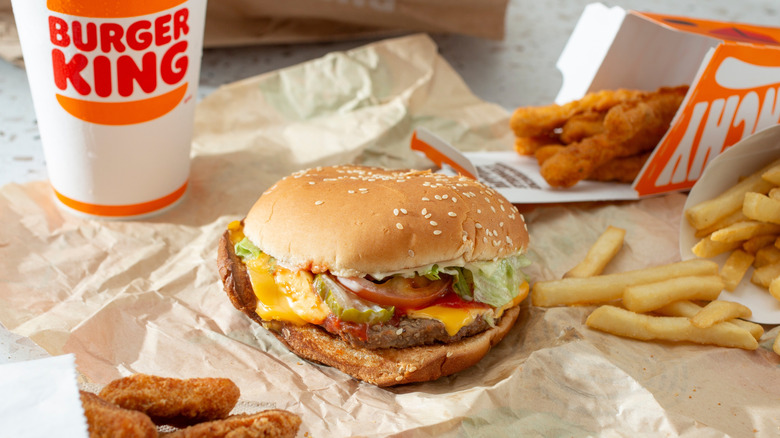
The Miami-based fast food giant Burger King operates around 19,000 restaurants worldwide. With a footprint that large, there are sure to be some legal troubles eventually. But while there have been several Burger King scandals over the years, the lawsuit over its $1 double cheeseburger promotion is a bit unusual. The U.S. is a litigious country, so it is little surprise that Burger King was sued over the size of the Whopper in the past. However, regarding the $1 cheeseburger, the lawsuit came from within. It was the franchise owners who took legal action over this particular promotion.
Back in 2009, we were still in the midst of The Great Recession. To try to pump up sales, the BK executives decided to push out a promotion from October 2009 to April 2010, during which the chain's double cheeseburger would only cost a buck. By November, The National Franchisee Association (NFA), representing the vast majority of Burger King franchisees (over 80%, according to NBC News), filed a lawsuit against the company in an attempt to claw back control over pricing.
The issue at hand was that lowering the price of a double cheeseburger so drastically meant that, across the board, these franchise owners would be selling the sandwich at a loss of $0.10 or more. At first glance, that dime may not seem like a whole lot of money to lose, but selling any product at a loss can have a tremendous negative effect on a business. In short, the franchisees weren't happy.
Losing money on burgers is bad business
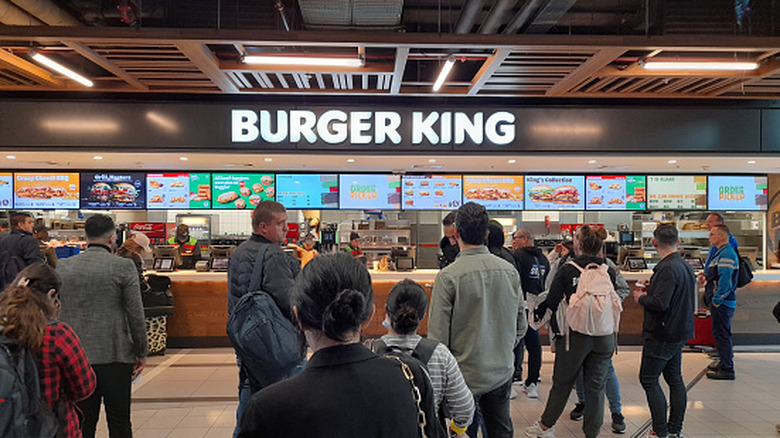
One BK franchisee and NFA spokesman, Dan Fitzpatrick, explained that the physical costs of the burger — meat, bun, cheese, etc. — tally up to about $0.55 per sandwich. The remainder of the cost goes to everything else, including rent, labor, and royalties — the portion of sales that franchisees pay to the parent company. The exact amount lost per burger could vary considerably depending on local costs for real estate and wages. Beyond that, however, is the sinister corporate ploy that was forcing franchises to sell burgers at a loss while still collecting royalties on every sale.
Burger King's corporate cut comes out of the store's sales, not its profits. So, even when the store is losing money, the company is getting paid. The overall goal of this promotion was to simply to get customers in the door by offering an exceptionally good deal, but just like Subway's $5 footlong eventually became unprofitable, a deal that's too good to be true typically isn't. If any menu item is sold at such a discount, it's possible that customers would gravitate towards only the cheapest offerings that (in this case, at least) actually cost franchise owners to make.
Fortunately, though, some good came from the whole ordeal. In April 2011, the two parties were able to reach a settlement agreement, and the lawsuit was withdrawn. Neither party got exactly what it wanted, and the exact details of the agreement were not made plain, but it was clear that both sides — BK franchisees and BK corporate — had committed to working together more closely in matters of pricing for promotions and value menu items.