

Eating At Chain Restaurants Was Once So Simple — Now The 'Paradox Of Choice' Clouds Our Decisions
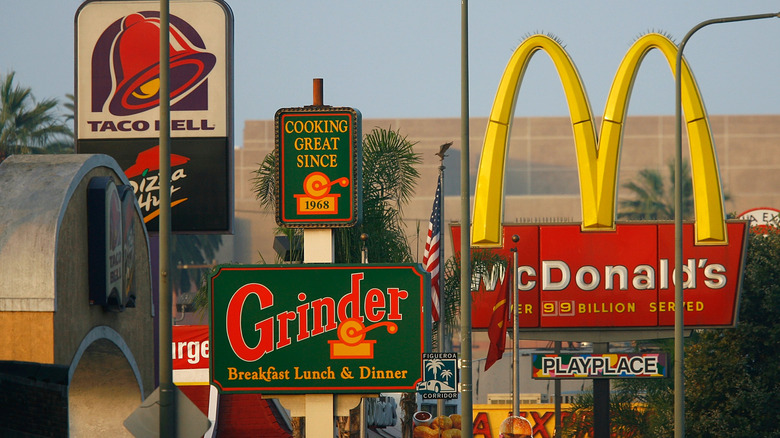
Have you ever been deciding where to eat and found yourself stuck in a cycle of flipping between a handful of options without settling? You would think that having so many restaurant choices would be a good thing. The paradox of choice is what makes this so hard. The more options you have, the less satisfied you feel when you finally pick something. It's not just you. It's a real phenomenon that has been studied.
According to Statista, there are over 279,000 fast food franchises in America. When you include all restaurants, that number rises to over one million, per the National Restaurant Association. Chain restaurants, in particular, seem to be everywhere, but this abundance is overwhelming for the average person. As the paradox of choice suggests, the cognitive effort needed to consider so many options can result in decision fatigue and eventually regret over whatever we choose. If you finally decide on burgers for dinner, you might finish them and wish you'd had tacos instead. The paradox can also prevent you from buying anything at all. Studies have shown people are more likely to purchase things when they have fewer options, and may choose nothing when there are too many. Trader Joe's capitalizes on this concept and it has proven successful for them.
Having thirty restaurant options forces you to consider things like menus, prices, and combos. The paradox of choice makes you start questioning what you really want and what would taste best. Even if you narrow it down to pizza, for instance, you might still struggle with which pizza place looks best — and then whether you want pepperoni, stuffed crust, or extra cheese. Huge menus can be just as taxing as deciding between a multitude of restaurant options.
When too much choice becomes no choice
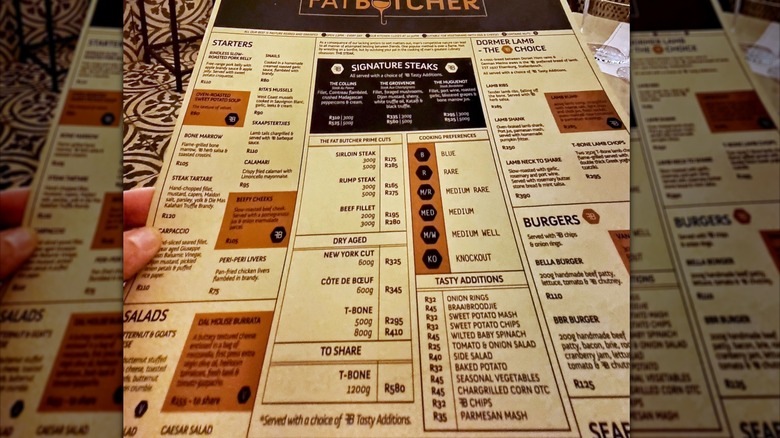
If you only have two restaurants in your town, it's easy to choose where to eat. If you live in New York, with over 30,000 restaurants, it can take much longer. Maybe even too long, as that indecision prevents you from acting. Have you ever debated what to order and by the time you chose, the restaurant was closed? It's just like trying to find a movie on Netflix and then spending an hour scrolling. This is because the mind's capacity to make decisions is affected by the number of choices we have to make. Research shows that people whose jobs require multiple major decisions daily, like doctors and judges, often make worse or unnecessary choices at the end of a long workday when their minds are taxed. The ability to make well-informed decisions becomes worn out over time.
Many of the biggest fast food chains of the 1970s have also grown massively over the years, spreading around the globe. The choices seem inescapable. Take for example, KFC. In 1970, there were 3,000 locations; today, there are ten times that many. Though many restaurants design menus to limit your choices while still making it feel like you have plenty, you may regret your choice when you see what the person next to you ordered.
One of the best ways to fight the paradox is through habit and nostalgia. Choosing a restaurant or dish you know well means less mental effort and fewer surprises. You won't try new things, but you also avoid indecision, which may leave you more satisfied.