

The 10 Unhealthiest Protein Bars On Store Shelves In 2026
We may receive a commission on purchases made from links.
Food trends will have us believing that just because a product contains high levels of a certain nutrient, it's inherently healthy. Marketers work their magic, reeling us in with labels like "plant-based," "high-protein," and "all-natural," which can be wonderful when backed with healthful ingredients, especially when it comes to protein bars. But unfortunately, not all protein bars are that healthy.
After studying to get my Plant-Based Nutrition Certification from Cornell and working with patients to reduce symptoms of chronic diseases and reach their fitness goals, I realized that most protein bars are loaded with not-so-great ingredients. That's why I've made a list of some of the unhealthiest protein bars on store shelves in 2026. These bars have been selected based on the prevalence of inflammatory ingredients, amounts of saturated fat and refined sugars, and inclusion of ingredients that have been linked to negative health effects. While protein is an essential nutrient, you're better off getting it from bars that are healthful and don't contain inflammatory ingredients that, in some cases, can slow your progress and even cause pain or discomfort. If you're looking to optimize recovery from a workout or are targeting health goals, it's best to set yourself up for success. Let's break down these unhealthy ingredients together so you can choose a protein bar for optimal health.
1. Chocolate Chip Gatorade Protein Bars
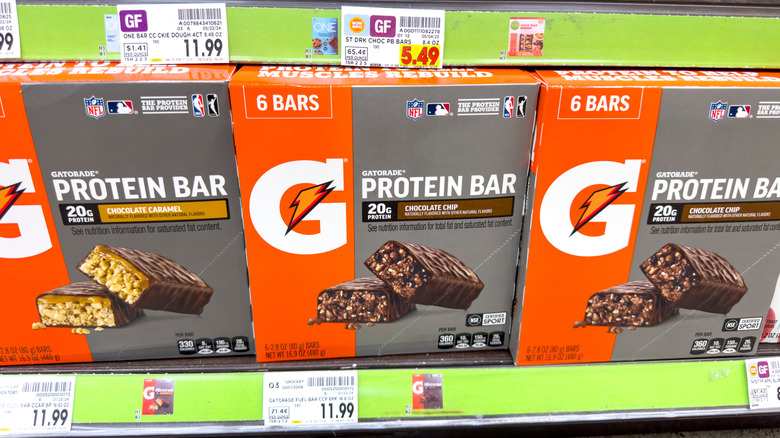
While these Gatorade Protein Bars may be high in protein, they often don't taste very good — despite the fact that they have a ton of sugar. Companies like to load up protein bars with sugary ingredients that trigger a dopamine rush, or at least mask the flavor of the base ingredient. The chocolate chip bars, or really any from its lineup, are no strangers to sugar. With a whopping 29 grams of added sugar per bar, this product reads more like a dessert than a protein bar. Eating high levels of sugar consistently can cause glucose spikes and drops, which are not only uncomfortable but can also negatively impact your mental health, according to 2017 research published in Scientific Reports.
Ingredients like mono- and diglycerides, which are used as emulsifiers to promote a better texture, have been correlated with an increased risk of certain cancers, per a 2024 study published in PLOS Medicine, though more research is needed to confirm this linkage. At the end of the day, eating Gatorade Protein Bars in moderation will likely not cause long-term damage, but these bars certainly haven't earned a badge of honor for healthfulness. One silver lining? Cocoa powder, one of the bar's ingredients, contains high levels of antioxidants; I'm just not sure it's enough to outweigh all the other inflammatory ingredients.
2. Think! High Protein Bars
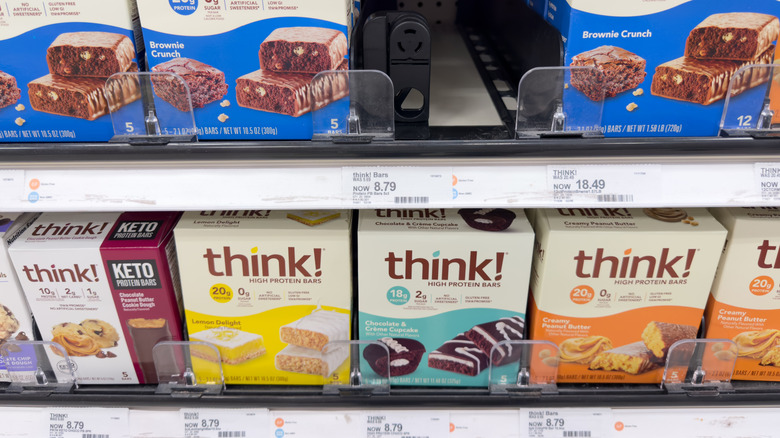
Think! High Protein Bars come in fun flavors, including Chocolate & Crème Cupcake, Girl Scout Coconut Caramel, and Brownie Crunch. But as we know, just because something is delicious doesn't necessarily make it healthy or nutrient-dense. The High Protein bars contain very little cane sugar, which sounds like a good thing. However, it makes me wonder ... how do those bars get so darn sweet? Think! uses sugar alcohol. Maltitol syrup, which many of these bars use, is a commonly found sugar alcohol used in sugar-free products. While it may seem smart to forgo the extra calories that cane or beet sugar might add, it's important to note that maltitol can cause stomach upset and even diarrhea in large doses.
In addition, just one bar of the Chocolate & Crème Cupcake flavor contains 35% of the recommended daily allowance of saturated fat. Eating high levels of saturated fat can increase cholesterol, which in turn can increase the risk of developing heart disease and other negative health effects. In addition, a diet high in saturated fats can increase the risk of developing type 2 diabetes, per 2010 research published in Progress in Lipid Research.
Aside from the potential health effects, you may also want to avoid these bars because folks note that they just don't taste good. In a ranking of popular protein bars, one Tasting Table reviewer said they bordered on being dry and tasted odd. For a bar that's not necessarily delicious and that contains concerning ingredients, there seem to be few benefits besides the 15 to 20 grams of protein per bar.
3. Super Cookie Crunch MET-Rx Big 100 Bars
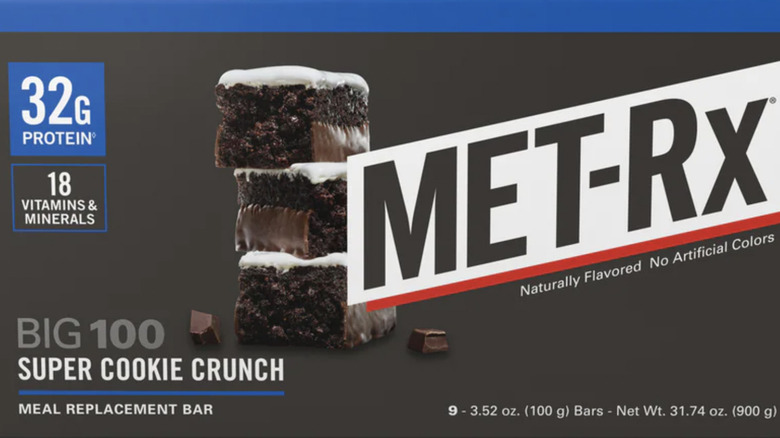
While many protein bars land around 15 to 20 grams of protein each, MET-Rx Big 100 Bars clock in around 32 grams per bar. For a 170-pound person with an average activity level, that's about half of the recommended daily allowance of protein. However, protein requirements vary by age, sex, and lifestyle (which includes, notably, level of exercise), so this is a generalized average. So if your goal is to load up on protein, these protein-heavy bars might be up your alley.
However, keep in mind that some of the other ingredients might impact your health as well. When replacing a meal with a processed food, it's important to recognize that while this bar meets some nutritional standards because of added vitamins and minerals, it might not bring you the same health benefits as a full meal, unless your meals typically contain 27 grams or so of sugar and only 3 grams of fiber.
Palm oil, which is included in these meal replacement bars, is highly saturated, and it is also controversial because of its ties to deforestation and its impact on global climate change. These bars contain 30% of the recommended daily allowance of saturated fat, which may not be ideal for all eaters.
4. Pure Protein Bars
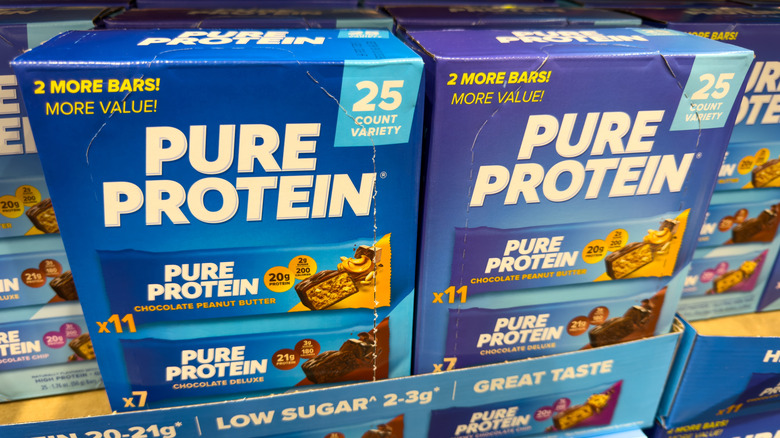
With a name like "pure," you may assume this product contains simple ingredients. I'd expect between five and 10 recognizable ingredients, which is certainly not the case for Pure Protein Bars. The Chocolate Salted Caramel Protein Bar, for example, contains over 50 total ingredients, many of which are syrups and oils. Sugar alcohols like maltitol can cause stomach upset in large doses. In addition, the Chocolate Salted Caramel flavor contains 23% of your recommended daily allowance of saturated fat, which may not be ideal for all eaters.
I would not deem these bars "healthy" because they lack nutritionally dense ingredients like fiber. Fiber is an essential nutrient that feeds gut bacteria and supports a healthy gut microbiome. Preliminary research, as concluded in a 2025 review published in Nutrients, has shown that a diet with adequate fiber intake may improve heart health. Plus, it can also help you feel full.
Besides the nuts and cocoa, these bars don't contain a significant source of antioxidants. These compounds have been shown to reduce cell damage and inflammation following exercise, per "Antioxidants in Sports Nutrition." If you're targeting a healthy protein bar, look for antioxidant-rich ingredients, at least a small amount of fiber, and recognizable whole ingredients. Pure Protein Bars just don't meet the mark.
5. Clif Builders Protein Bars
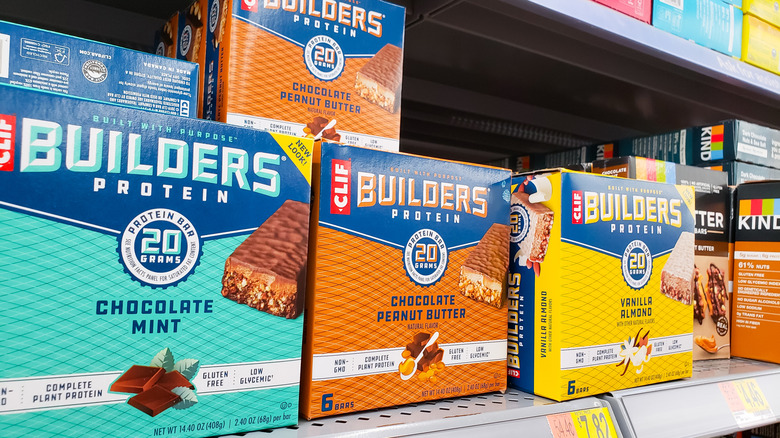
Clif Builders Protein Bars aren't the most unhealthy protein bars on this list. However, I wouldn't classify them as "healthy" and would recommend avoiding them, depending on your health goals. These bars tend to contain high levels of refined sugar. The Oreo White Fudge Builder Bar, for reference, contains 17 grams of added sugar. Excessive sugar intake has been shown to have inflammatory effects, according to a 2022 article published in Frontiers in Immunology, and can even have negative effects on cognition, per a 2023 study published in Nutrients.
When it comes to flavor, the Chocolaty Peanut Butter Builder Bars are not half bad and have a relatively pleasing texture for a protein bar. The ingredient list isn't as long as a CVS receipt, which is another bonus. Although there is a sprinkle of dietary fiber, these bars also contain around 29% of the recommended daily allowance for saturated fat. While the cocoa does add some antioxidants, it's just not enough to outweigh the excessive amount of sugar and high levels of fat. For folks watching their calorie intake, most of these bars are around 280 calories each. However, when determining whether a food is healthy, I prefer to look at the ingredient list over the calorie count. And, protein contains 4 calories per gram (compared to fat's 9) anyway.
6. Powerbar ProteinPlus Bars
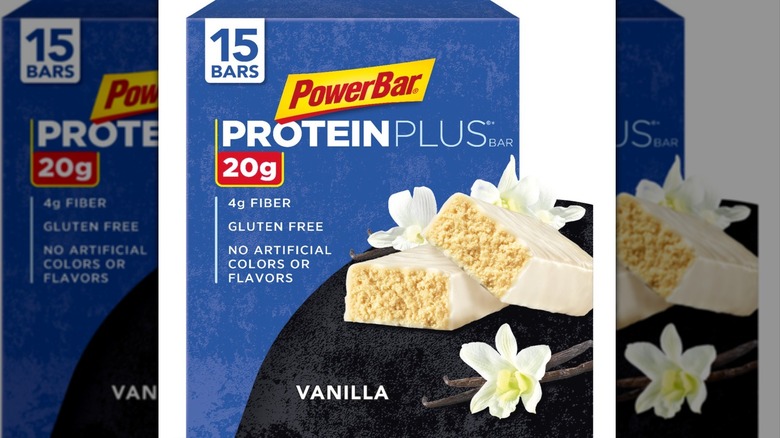
With a few recognizable ingredients like peanut butter, cocoa powder, and almond butter, Powerbar ProteinPlus Bars do have some nutritional benefits. And as saturated fat goes, these bars tend to be lower than your average protein bar, with about 15% of your recommended daily allowance. Fructose syrup can contribute to fatty liver disease, but luckily, there doesn't seem to be an excessive concentration in these bars if eaten in small quantities. While I wouldn't call these bars necessarily "healthy," they don't have some of the same nutritional drawbacks as others on this list.
Depending on the flavor, these bars contain around 12 grams of sugar, as well as sugar alcohols. So, while enjoying these bars in moderation may not cause health issues, PowerBar Protein Plus bars are still high in sugar and fat, don't contain high concentrations of vitamins, minerals, or antioxidants, and don't fit the definition of "health food."
7. Balance Bar
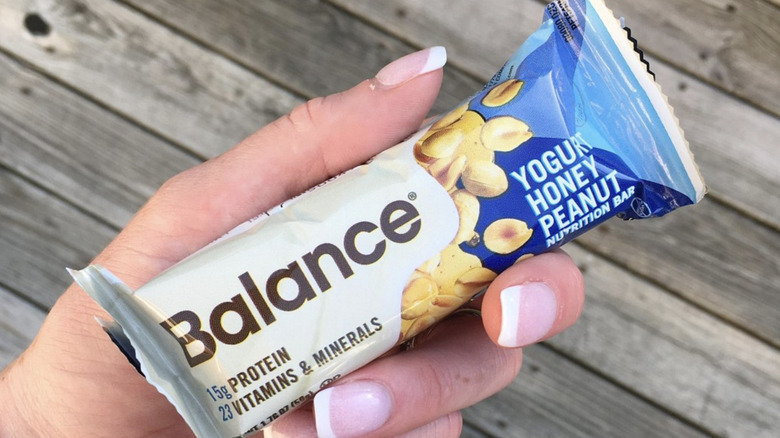
Although the name suggests they have nutritional balance, Balance Bars have some of the same glaring issues that most of the unhealthy protein bar brands share: high amounts of sugar and fat. The Cookie Dough Balance Bars contain 20% of your daily recommended allowance of saturated fat and 17 grams of sugar, making it more like a candy bar than a protein bar.
Unlike some of the other options, Balance Bars do list some added vitamins and minerals such as zinc, vitamin C, calcium, and copper (to name a few), which is how Balance can likely get away with marketing the product as a "nutrition bar." Unfortunately, I can't concur with the statement that these bars are wholly nutritious, as you can get these same vitamins and minerals from a multivitamin — and with less sugar and saturated fat.
8. Robert Irvine's FitCrunch Bars
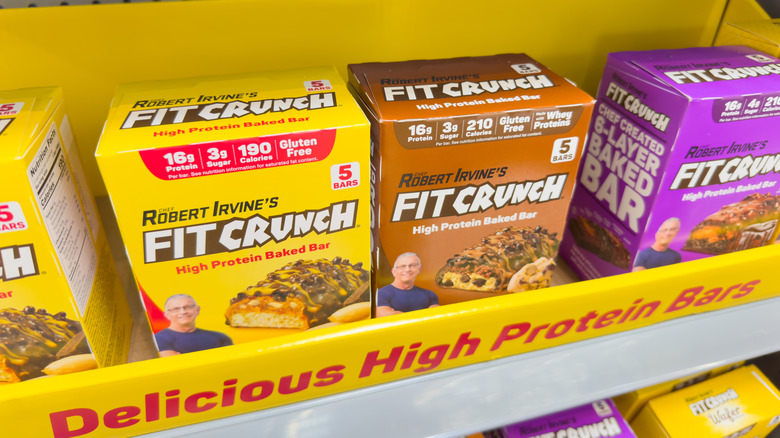
These bad boys look like candy bars, so it's unrealistic to think that they are healthier than one. Each of the flavors contains objectively unhealthy ingredients, with the Caramel Peanut flavor containing 70% of your daily recommended allowance of saturated fat. The 30 grams of protein may be ideal for your dietary goals, but the bar is certainly not worth the high saturated fat intake. Ingredients like palm oil and heavy cream, along with sugar alcohols and distilled monoglycerides, can all pose health risks when consumed in excess. Monoglycerides in particular have been associated with certain cancers when consumed in large quantities, according to 2024 research published in PLOS Medicine.
Robert Irvine's FitCrunch Bars are not vegetarian because they contain bovine gelatin, which is important to note if you have a dietary preference. However, many processed foods that seem vegan or vegetarian aren't, and this may not be a concern of yours. Your concern should lie within the saturated fat concentration of these bars. Ingesting high levels of saturated fat can lead to inflammation, which is at the root of many noncommunicable diseases, including cardiovascular disease, certain cancers, and diabetes, according to a 2019 article published in Nutrients. While this product may have a ton of protein, its other ingredients may have adverse health effects if you eat too much of them.
9. ZonePerfect Bars
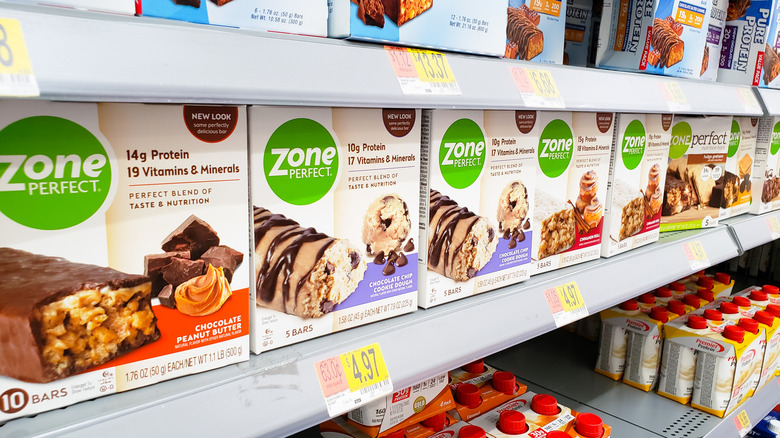
The Fudge Graham ZonePerfect Bar has 15 grams of added sugar per bar. For perspective, that's about the same amount of sugar you'd find in ½ a cup of your average vanilla ice cream or in a large frosted donut. Diets high in added sugar can lead to issues like insulin resistance (which then can lead to type 2 diabetes), sodium and fluid retention, and activation of the sympathetic nervous system (leading to hypertension), per a 2022 article published in Missouri Medicine. As such, a high-sugar diet can negatively affect your kidney and heart health, as well as cause inflammation. So, even though ZonePerfect Bars have added vitamins and minerals, I cannot concur that they have a "perfect blend of taste and nutrition" as printed on the packaging.
In addition, the Fudge Graham ZonePerfect Bars contain about 20% of your daily saturated fat intake, which is less than some other brands on this list but certainly not ideal or "healthy" for a small, snack-sized food. Very few ingredients, besides the added vitamins and minerals, are considered objectively healthy or minimally processed, which is what landed ZonePerfect Bars on our list of the unhealthiest protein bars on store shelves.
10. Atkins High Protein Bars
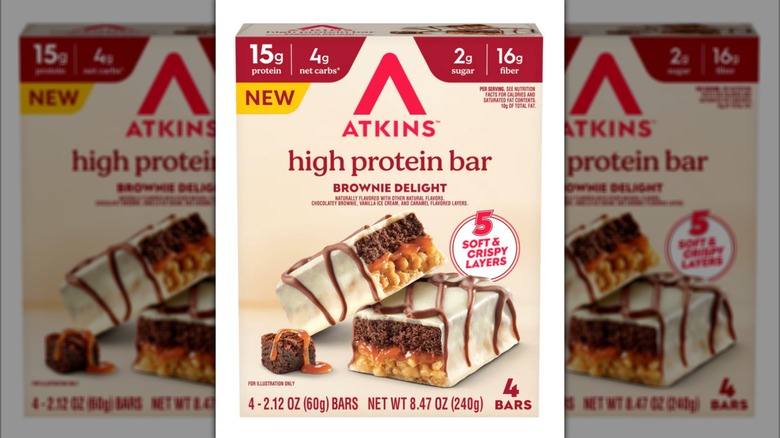
Atkins High Protein Bars aren't as objectively unhealthy as some of the other bars on this list. However, few of its ingredients are nutritious. The Brownie Delight Layered High-Protein Bar, for example, does contain almonds, which have nutritional benefits. Beyond that, we see ingredients like palm kernel oil, palm oil, butter, and sucralose, the latter of which is associated with inflammation, metabolic disease, and liver damage in high concentrations, per a 2024 article published in Life. Even though sucralose contains no calories, other alternative sweeteners don't come with the same health risks.
This bar also has erythritol, which contains fewer calories than cane sugar. There is some evidence to suggest that this sweetener is associated with a higher risk of heart attack and stroke, per a 2023 study published in Nature Medicine, although more studies are needed. All in all, while these bars aren't the worst of the lot, I wouldn't list them as a health food and would recommend getting your 15 grams of protein elsewhere.
Methodology
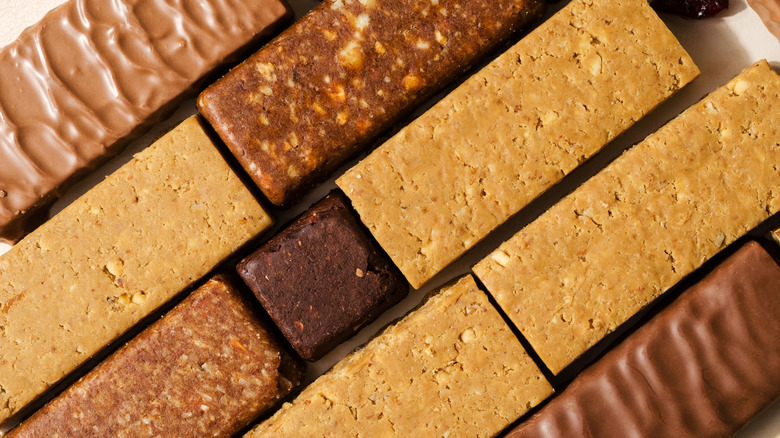
These bars were selected based on their ingredients and how they meet nutrition recommendations set forth by the USDA. Healthy ingredients are recognized for nutrient density and anti-inflammatory properties. Ingredients deemed unhealthy are associated with inflammation, negative human health impacts, and high levels of processing or refinement.
All negative health associations are based on peer-reviewed, published studies. Of course, everyone's nutritional needs differ, so you should consult a doctor or dietitian if you are looking for a product that fits your health goals.