

Next Time You Make Pork Steaks, Cook Them Like This (It's Magic Every Time)
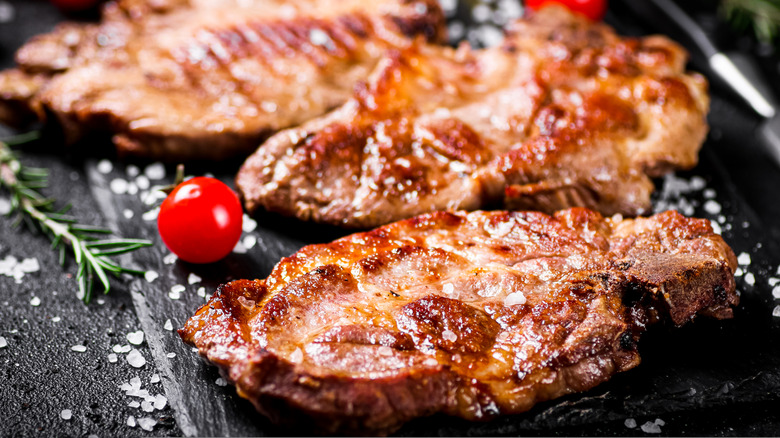
For a long time, Americans were taught to cook pork very well done, partly because of lingering anxieties about trichinosis and other food safety concerns. Even though modern pork production and updated USDA guidelines made that level of overcooking unnecessary years ago, some of us still overdo it by default. And that's sad, because with a beautiful cut full of marbled potential, like a pork steak, the right touch can bring out so much more than tough, grayish meat with the joyless texture of hardtack.
Reverse searing is one of the best possible methods for pork steaks, because it meets the cut where it's at, giving it time and gentleness instead of just hitting it with fast, high heat, which eradicates moisture and tenderness. Instead of throwing the raw meat directly into a ripping-hot pan and hoping for the best, reverse searing gently brings the pork up to temperature first, usually in a low-set oven or a cool section of the grill. This gradual application of heat gives the intramuscular fat time to slowly soften and render, and the lower temp helps the meat cook evenly without seizing up or drying out. Pork steaks, which come from the shoulder area, contain enough connective tissue and rich, tasty fat that they will relax into this slow approach.
Temp it for tempting tenderness
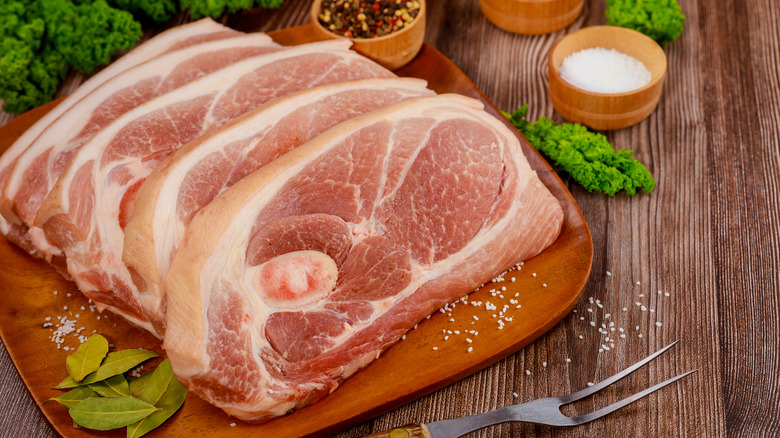
The ambition of a good pork steak isn't the same as a shredded slow-cooker recipe like carnitas, so you do still want to have the textural interplay between well-developed, crusty outer bark and tender inside. Only a strategically applied sear can give that. So, when the interior is nearly cooked through, in comes that final short blast of heat. This will build the ideal crust through the Maillard reaction, which is the same browning process responsible for the satisfyingly deep, caramelized flavor of toasted bread or roasted coffee. With the reverse sear, the center is already warmed, so the sear isn't responsible for actually cooking the meat through; it's just developing texture and flavor on the outside.
A thermometer helps enormously with a reverse sear because it allows for precision and takes away the guesswork. Pork reaches optimal texture around medium or medium-well. The USDA's current recommendation for whole cuts of pork is an internal temperature of 145 degrees Fahrenheit, followed by a three-minute rest. With reverse searing, that usually means pulling the pork steak from the low oven or indirect heat about five degrees away from the desired finished temp, before finishing it with the sear, then the internal carryover heat will continue cooking the meat a bit during the rest period. A carryover heat miscalculation is actually the mistake that leads to dry pork chops, too, so it's a good factor to keep in mind regardless of cut. Depending on thickness, the low-temp portion of the reverse sear pork steak cooks generally takes between 30-60 minutes, or longer if it's super thick; temp it so you know for sure.
Slow burn, pig reward
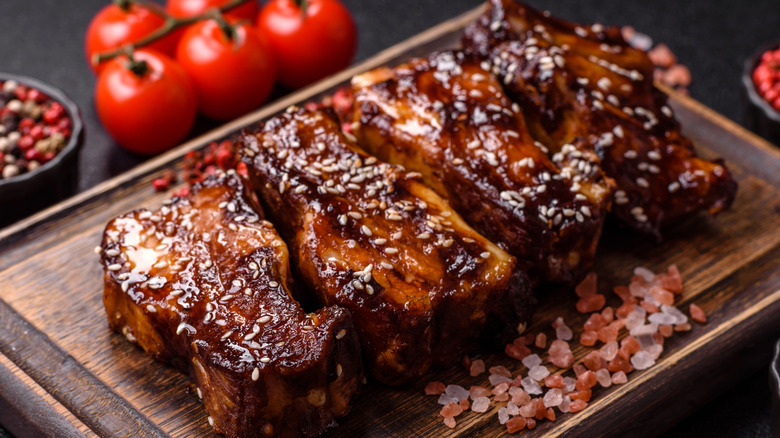
Hot, dry air pulls moisture, so the slower initial cook will slightly dry out the surface of the pork steak, which sounds bad, but it's actually exactly what you want. Wetness prevents browning, which is essentially high-stakes drying-out. When the meat hits the final sear, the exterior will already be primed to caramelize quickly and efficiently. The fat along the edges will get crispy and glassy, and the smoke from the grill or cast iron pan imbues itself into the rendered surface.
Dry brining the meat before cooking, which is essentially just rubbing it with salt and letting osmosis work its magic by pulling water out and leaving behind flavor as the brine is reabsorbed, will further tenderize, improve flavor, and juiciness. With this technique, all the usual pork-flattering accompaniments can be added; apples, with their natural fruit sugars and acids, are a natural fit, as well as aromatics like fennel, black pepper, and rosemary. Reverse searing intensifies the impact of these pairings because the crust gives sauces and seasonings more texture to cling to, especially around the rendered edges and browned fat.
Reverse searing turns a relatively humble, inexpensive cut into a luxurious, steakhouse-level entrée, without disguising the essential character of the pork itself. You're working with what the meat has — the marbling, connective tissue, moisture, and fat — allowing the pork steak to become the best version of itself.