

13 Underrated White Wines Worth Trying In 2026
As with any consumer product, wine trends shift over time and generations, dictating the styles that become common on restaurant and bar menus. In 2026, consumers are seeking freshness over weightiness. When it comes to white wines, this means less noticeable oak aging, crisp flavors, and wines from cool or coastal regions, where ripeness is balanced with acidity. Additionally, consumers are paying more attention to origins, with under-the-radar regions and unfamiliar varieties gaining more traction than some long-held favorites.
Certifications highlighting sustainable viticulture methods, organic farming, and more are increasingly favored by customers, who value these practices as qualities in the products they choose to purchase. With that said, I've compiled a selection of underrated white wines that should be on your radar in 2026. As a Certified Specialist of Wine with experience working and visiting wineries around the world, my selection is based on wines and producers that highlight the facets I've outlined above and that aren't necessarily the usual go-tos. This list includes bottles for all your white wine drinking needs, whether you're sipping a glass solo or pairing it with an elaborate meal.
Itä Wines Sémillon
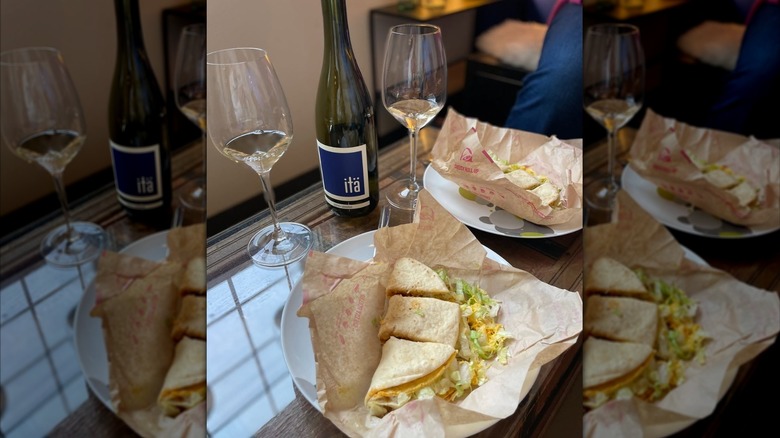
Sémillon is most well-known for its role in Bordeaux's fine sweet wines, but it also shows up in dry white wines primarily from France and Australia. It isn't widely grown in the U.S., but Washington State and California have successfully experimented with it. See for yourself with a bottle of Itä sémillon, produced in the Walla Walla appellation in Washington.
The winery selects the varieties it grows based on their suitability to the local climate, which tends toward cool and wet. Furthermore, the vines are planted at higher elevations, ensuring freshness on the palate. Some grapes are estate-grown, while others are purchased from neighboring vineyards to closely match the terroir.
The Itä Wines sémillon is produced with certified sustainable grapes and low intervention techniques, including minimal fining or filtering. The vineyards are farmed with biodiversity in mind and foster interconnectivity to promote environmental health. The fruit is fermented in stainless steel tanks to let the varietal character shine. The wine is slightly off-dry to round out the acidity, making for a smooth finish. The result is a fresh, crisp white wine with notes of lemon, golden apple, and lanolin, along with hints of spice. Serve it with spicy Thai dishes for a complex interplay of flavors and a soothing pairing for the heat.
Maison Lavau Côtes du Rhône Blanc
The Côtes du Rhône region in France is dominated by red wine, with three-quarters of production centered around it, per The Drinks Business. Only a little more than 10% of the region's output consists of white wine, and it remains underrated in this category. The wines are made up of blends of a multitude of grape varieties, offering a wide array of complexity in the glass.
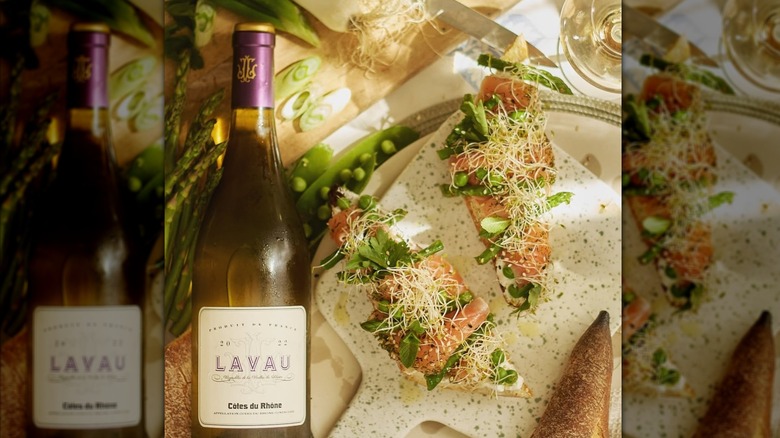
Maison Lavau is now located in the Rhône Valley, but its multifaceted origin story includes winemaking in Bordeaux and Tunisia. The family-run estate has greatly expanded, highlighting the region's numerous appellations. Lavau's Côtes du Rhône white blend consists of grenache blanc and viognier grapes grown in clay and limestone soils. The fruit is fermented at cool temperatures in stainless steel tanks to preserve its fruitiness. The wine is then aged in vats on the lees to add texture while maintaining freshness.
Notes of stone fruits and tree fruits are present on the palate, with peach, apricot, apple, and pear aromas shining through. Hints of honeysuckle and toasted almond add depth to this nuanced wine. Serve it with seafood dishes like smoked salmon and tartare, or with a bold goat cheese.
Barrel Oak Winery Vidal Blanc
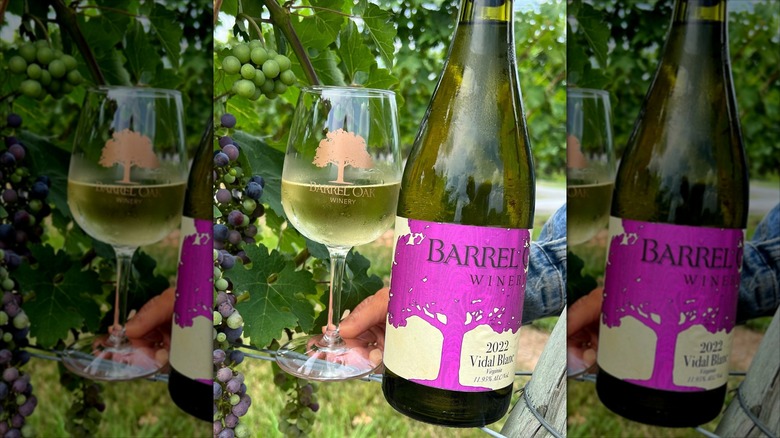
Hybrid grapes are gaining more traction among consumers as their quality improves and they become available across larger markets. These varieties are produced by crossing two different species of vines, resulting in fruit that tends to be hardier and more resistant to certain conditions and diseases. They are especially notable in cooler climates where Vitis vinifera can have a harder time flourishing and may prove to be increasingly important with changing climatic conditions. Vidal blanc is one particular hybrid variety, predominantly used in Canadian ice wine production, with a proportion of vines grown in the U.S.
Barrel Oak Winery in Virginia is proving that excellent white wine can be made with vidal blanc. The winery has been in business for 20 years, highlighting the region's characteristics through craft production. It grows 10 varietals, including both international and hybrid grapes. The vidal blanc is dry, with a light body and vibrant acidity that keeps it fresh on the palate. Notes of peach, pineapple, and honeydew mingle with floral hints of honeysuckle. It's an excellent pairing for seafood, salads, and as an aperitif.
Tenuta Regaleali Cavallo delle Fate Sicilia DOC
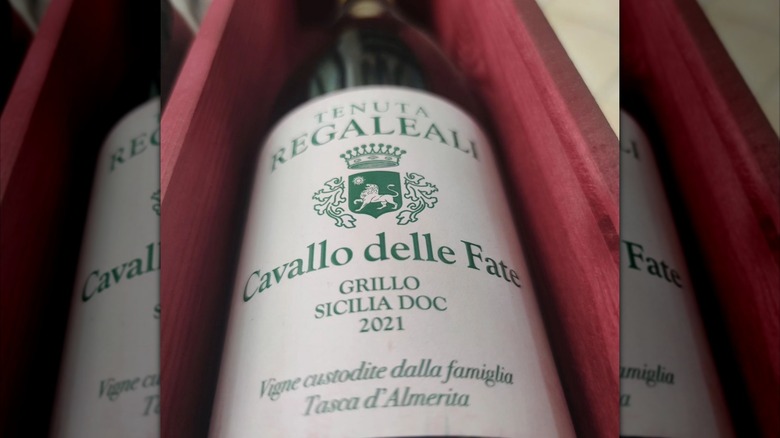
Sicilian wine has continued to improve over the past decades, thanks to the island's favorable climate and winemakers keen to showcase the terroir. While some consumers might be more familiar with the red wines, the white wines remain underrated and are well worth discovering. Not to mention, they represent a larger percentage of plantings, so there's plenty to go around. Among the native varieties, grillo is a refreshing option for fans of citrusy white wines.
The Tasca d'Almerita family has been making wine in Sicily for eight generations, carefully perfecting its production and deepening its connection to the terroir. While tradition sits at the foundation of its philosophy, modern innovation and technology remain an important facet. The winery is B Corp-certified, one of two dozen in the world to receive Robert Parker's Green Emblem, which recognizes dedication to sustainability, and a member of SOStain Sicily.
The winery includes several brands like Tenuta Regaleali, which produces wines from Sicily's native grapes. Its Cavallo delle Fate is made with 100% grillo grapes grown on hillside vineyards with chalky clay soils. The fruit is harvested in stages, resulting in a balance of freshness, acidity, and ripeness. After fermentation, the wine is briefly aged on the lees in stainless steel tanks to retain a fruity character. The result is a boldly fragrant wine, with notes of blood orange, grapefruit, lime zest, peach, and green apple, while an herbal component adds character. Serve it with seafood, Mediterranean dishes, and hearty salads.
Domäne Wachau Liebenberg
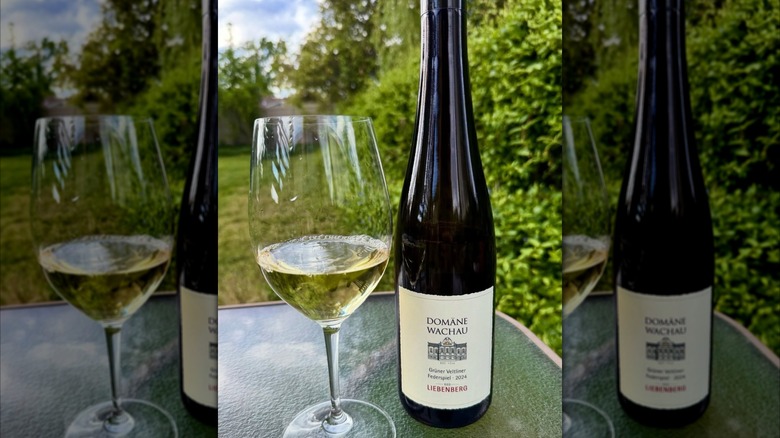
Considering the impressive quality of Austrian wine year after year, it remains an underrated European option. Local and international grapes appear in the country's wines, with white varieties outnumbering red. Grüner veltliner is the most prominent and stands out as the country's flagship variety. Domäne Wachau is one of Austria's leading wineries, boasting upward of 160 hectares of organic vineyards subdivided into smaller plots that are tended to by individual vignerons. This results in a strong understanding of the terroir, which in turn allows for optimal fruit growing and minimal intervention in the cellar.
The winery's Grüner Veltliner Federspiel Ried Liebenberg exemplifies this precision. It's made with fruit grown in the eastern part of the Wachau. The steep, hilly region is recognized by UNESCO as a World Cultural Heritage Site, highlighting its unique character. The Liebenberg vineyard has been around since the 14th century and is now home to various metamorphic rock soils that add a mineral character to the wine. The fruit is hand-harvested and grown with a focus on biodiversity, ensuring sustainability is considered on a holistic level.
The fruit is fermented at cool temperatures in stainless steel tanks and then briefly matured on fine lees to infuse texture. Notes of ripe apple, peach, and papaya are present on the palate, along with characteristic hints of white pepper. A pleasant acidity makes it a great match for food, including creamier dishes, Mediterranean cuisine, and spicy recipes.
Appassionata Riesling GG
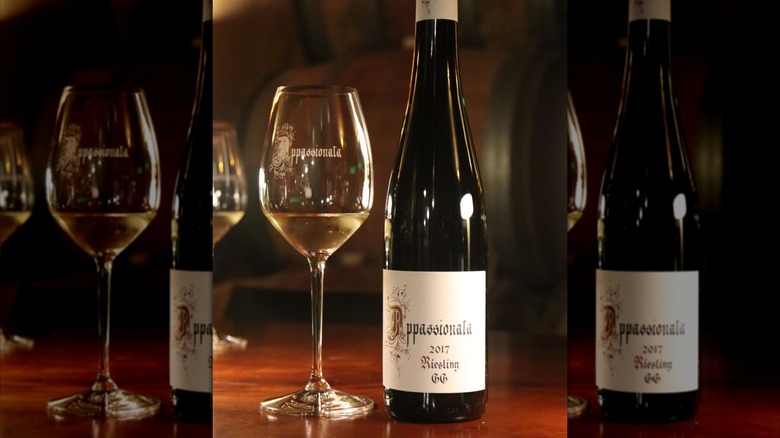
Riesling is often misunderstood, with unfamiliar consumers categorizing it as always sweet. While there are excellent versions with residual sugar, there are countless dry varieties that showcase the grape's bright acidity in full splendor. Numerous classifications help break down the nuances of riesling, including Grosses Gewächs, which can be used for dry wines made from notable vineyards. While this designation is primarily used in Germany, it's also used at Appassionata Estate in Oregon. The winery was, in fact, founded by German Ernst Loosen, an important figure in wine. While he was initially eager to experiment with the local pinot noir, the vineyard has since expanded.
Appassionata's Riesling GG follows the same rigor as Loosen's German version of the wine and comes from old vines in the Chehalem Mountains AVA. The organic fruit is fermented in large neutral oak casks, matured on the lees for two years, then aged in bottles for three to five years. This slow maturation is appropriate for fine riesling, building complexity in this age-worthy wine. It boasts bold citrus aromas with notes of stone fruit, green apple, pineapple, quince, orange blossoms, and salinity. The complex aromas are balanced by a bright acidity, which keeps this riesling fresh amidst the intensity. Serve it with seafood, Asian cuisine, or hearty pork dishes as a palate cleanser.
Tenuta Grimaldi Verdicchio di Matelica DOC
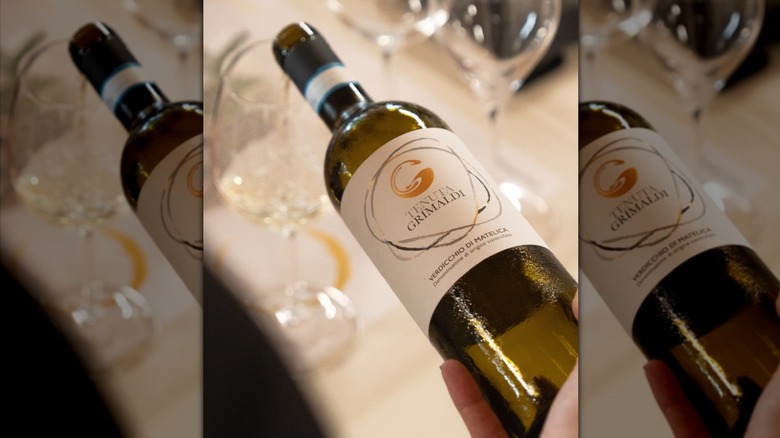
Italian whites are all too often underrated or relegated to the category of pinot grigio and prosecco. Italy is home to hundreds of native grape varieties that are seldom grown elsewhere and consequently, a great option to try when you're in search of something novel. Verdicchio comes from the Marche region in central Italy and can be made in a variety of styles depending on vinification. Tenuta Grimaldi's Verdicchio di Matelica DOC is one fine example, made with hand-harvested fruit sourced from various parcels.
The vineyards are located at higher elevations with chalky soils, adding freshness to the wines. Organic agriculture and biodiversity are important tenets of the winery's philosophy. The fruit is fermented in stainless steel tanks and oak casks and completes its maturation in the latter, with a final stretch in bottle prior to release. The wine boasts a refreshing acidity, with bold notes of green apple and citrus, along with an herbal, grassy character. Notes of almond on the finish showcase verdicchio's character. This bottle pairs well with salads, vegetarian pasta dishes, and seafood, especially if it's fried, thanks to the wine's mouthwatering quality.
Lieu Dit Chenin blanc
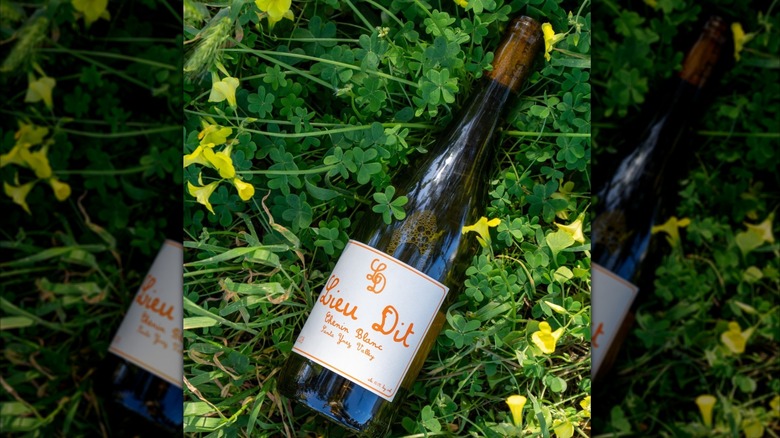
Chenin blanc is a versatile white grape that can be made in countless styles, which offers an excellent opportunity for experimentation. It's predominantly found in France and South Africa, but it is increasingly grown around the world, including in the U.S. For example, Lieu Dit winery produces wines made with French varieties in California's Santa Barbara region, where optimal growing conditions make it possible to produce wines with minimal intervention in the vineyard and cellar.
The chenin blanc wine is made with fruit planted in sandy loam vineyards in the Santa Ynez Valley. The fruit is fermented in stainless steel tanks with native yeasts, then matured in neutral French oak barrels to develop texture without compromising the fruit character. The wine displays aromas of honeysuckle, chamomile, and flint, with notes of apricot, pear, apple, lemon peel, and beeswax. A textural minerality makes it stand out on the palate, balancing acidity and richness in every sip. Serve this stunner with a cheeseboard, roast chicken, or hearty risotto.
Disznókő Dry Furmint
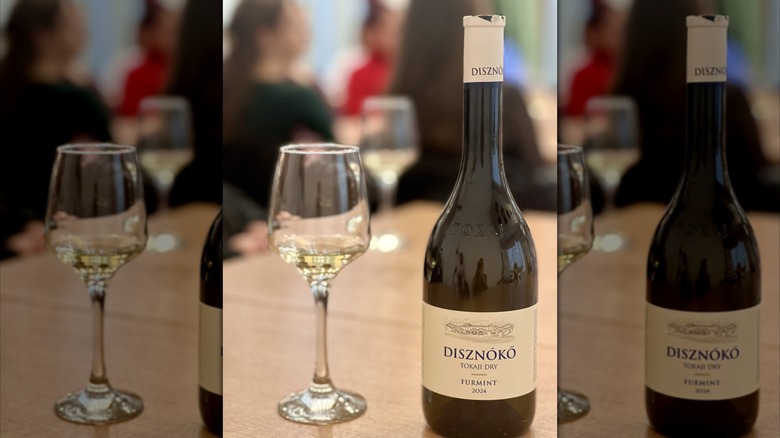
Hungarian wine has gone through numerous phases over the centuries, ranging from peak production to low volumes and now sits somewhere in the middle. While the country's sweet Tokaji Aszù wines continue to garner high prestige, the dry white wines remain underrated for the time being. Wineries like Disznókő, which dates back several centuries, are remedying this fact with exciting releases. Disznókő's vineyards were replanted in the '90s to optimize vine density, orientation, and trellising. The winery is now part of the World Heritage Site that encompasses Tokaj, and it continues to work on highlighting the terroir.
The Disznókő Dry Furmint is made with ripe, hand-harvested furmint grapes from a variety of plots, all vinified individually. The grapes were pressed in full bunches and fermented in temperature-controlled stainless steel tanks. Then, the wine from the different plots was blended and aged on the lees in steel for another few months. The result is fresh and fruity, with notes of green apple, grapefruit, pear, and stone fruits mingling with hints of almonds, herbs, and minerality. This bright wine is perfect when served as an aperitif or alongside salads, poultry, or seafood.
Kaiken Torrontés
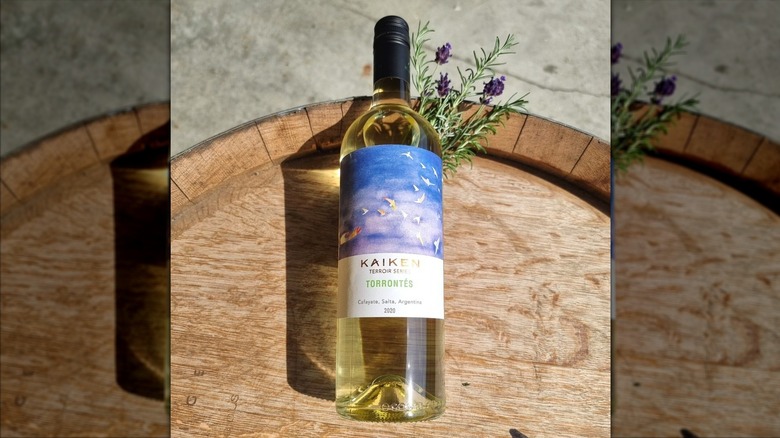
Beyond the country's prized reds, Argentinian white wines are worth tasting this year. Although it continues to gain in popularity, the local grape torrontés remains an underrated aromatic white wine with fresh character. There are three different varieties of it, but the best is undoubtedly torrontés Riojano, which has a more fragrant nature. You can sample an excellent version from Kaiken winery, which was built over a century ago and has since expanded its volume of production as well as international reputation. A focus on sustainability is at the core of its operations, with efforts including water conservation, regenerative agriculture, biodiversity, and reducing its carbon footprint.
Among Kaiken's lineup of wines is the Terroir Series, which showcases specific vineyards and terroirs emblematic of the country's viticultural landscape. Torrontés from the Cafayate region in Salta is the star of one of these wines. Made with fruit grown at high altitudes (vineyards range from around 5,250 to 7,900 feet), the conditions are perfect for this aromatic white grape. The vineyards are planted in sandy loam and granite soils, and the grapes are hand-harvested. The fruit is then fermented at cool temperatures in concrete tanks, with no malolactic fermentation to retain freshness and aromatic character.
The wine boasts bright citrus aromas with notes of jasmine and minerality. The balanced acidity and concentrated aromas make this elegant wine a delightful match for delicate seafood dishes like tartare and sushi, as well as creamy cheeses and vibrant salads.
Bodegas Raúl Pérez Ultreia Godello
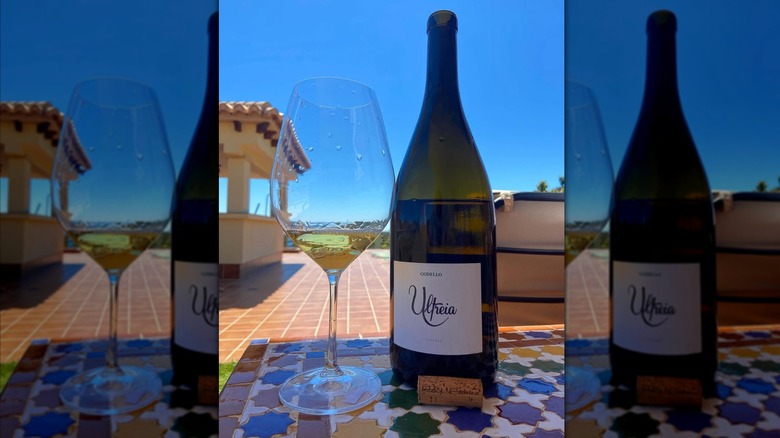
Spanish white wines are seriously underrated, and it's time consumers explored more of the indigenous varieties. Godello, which originates in the northwest of Spain in Galicia, is a good place to start. Since the '90s, Spanish winemaker Raúl Pérez has been producing wines that showcase regional terroirs and varietal characteristics. He opts for low volumes to fully master the nuances while minimally imposing his hand.
He has several selections among his lineup, including Ultreia, which is a traditional greeting on the Camino de Santiago that means "we go further" — a notion he integrates within his philosophy. Ultreia Godello is an excellent example, made with fruit grown in cool-climate vineyards in the Bierzo appellation. The old-vine fruit is harvested early to retain acidity, then fermented with native yeast and matured in large, neutral oak barrels and casks. Floral and nutty aromas mingle with pear, golden apple, and citrus. The wine has a creamy texture balanced by a fresh salinity that makes it decidedly smooth on the palate. Serve it with seafood, poultry, or creamy pastas and risotto.
Domaine de l'Ecu Muscadet Sèvre-et-Maine Classic
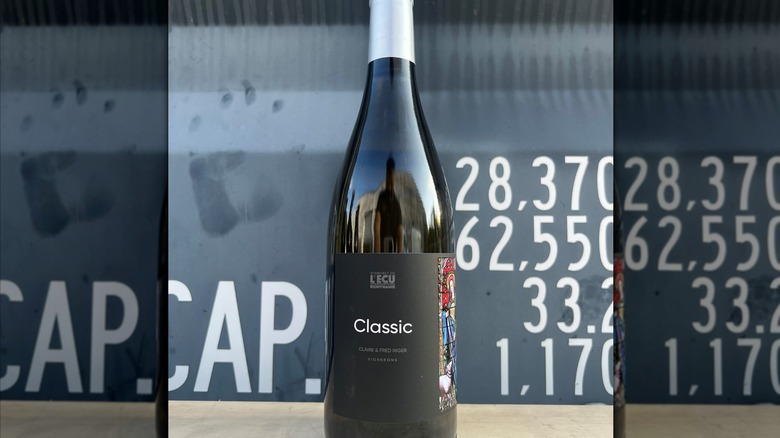
Refreshing, high-acid white wines are especially pleasant as temperatures warm up, and if you're looking to add something new to your repertoire, Muscadet is an obvious winner. Produced in the coastal Atlantic region of Muscadet in the Loire Valley in France, the wines are made with the melon de Bourgogne variety. They can range from simple and mouthwatering to more complex yet equally crisp.
Domaine de l'Ecu produces a couple of wines with the variety, including Muscadet Sèvre-et-Maine Classic, which is made with organic and biodynamic hand-harvested fruit. The winery is dedicated to the natural art of winemaking, prioritizing soil health, manual work, and biodiversity to assist the grapes in reaching their full potential. It is certified by Biodyvin, an association of biodynamic winemakers who seek to express the innate qualities of their terroir.
Consequently, the Classic cuvée is fermented with native yeasts and then aged on the lees (dead yeast particles) to enhance the aromatic complexity and texture. The wine boasts notes of lime, grapefruit, pear, and apple, with a hint of salinity reminiscent of the nearby coast. Serve it with fried seafood as a palate cleanser or as a briny match for oysters.
Bodega Garzón Albariño
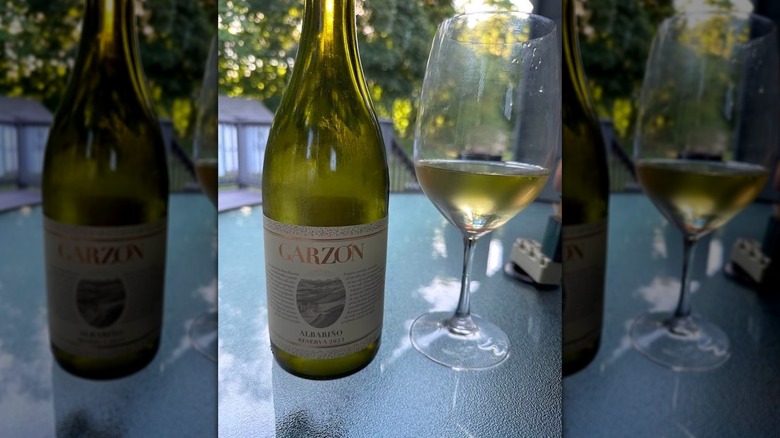
With its origins in the Iberian Peninsula, albariño is another coastal variety that boasts a zingy palate. While Spanish and Portuguese versions are increasingly popular, Bodega Garzón in Uruguay is doing a stellar job with its rendition. The vineyards sit at a slight elevation close to Uruguay's Atlantic coast, which boasts cooling breezes that help retain freshness in the fruit. The winery focuses on expressing the nuances of the various plots, and prioritizes lower intervention practices like hand-harvesting and regenerative farming. The winery's building is the first outside of North America to be certified sustainable by LEED (Leadership in Energy & Environmental Design), further evidence of its dedication to the land.
Bodega Garzón's Albariño is fermented in stainless steel and concrete tanks, which impart minimal influence on the wine. It's then aged on the lees for a handful of months to round out its texture and aromas. The result is bright and lively, with notes of peach, green apple, melon, and citrus and a saline minerality on the finish. It's the perfect pairing for other coastal delights, as well as green salads and Asian food.
Methodology
To determine this selection of underrated white wines to drink in 2026, I considered regions and grape varieties that are less commonly represented in the market. Then, I narrowed my selection by assessing the options in the context of current white wine drinking trends. This meant focusing on wineries that prioritized sustainability, biodiversity, and eco-friendly practices. Finally, these white wines are versatile for pairing with an assortment of foods or serving as an aperitif.