

Rosé Lovers Should Look For This Style Next Time They Shop
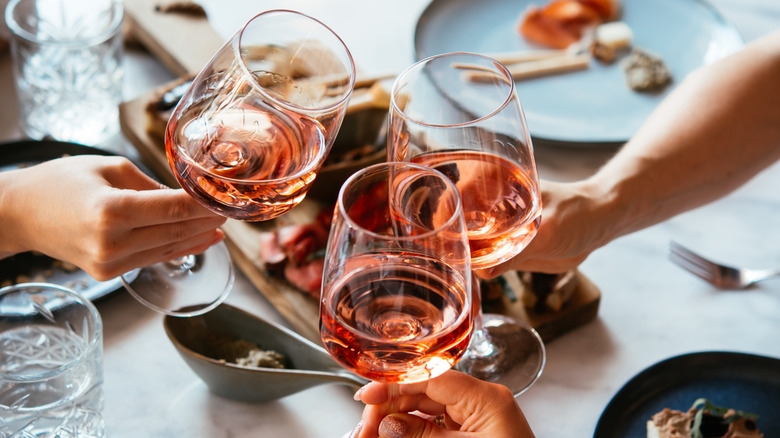
Rosé has been fully integrated into the world of popular wine for decades now, but it still isn't given the level of respect by most people that the more classic red and whites are. Just think of how many different styles of those wines you know. Red isn't just red, it's blends like Bordeaux, or you have many popular grapes like Cabernet. But to the average person rosé is just, well, rosé. Of course that is nowhere near the actual truth, and there are tons of different styles of rosé wines that are just as varied and complex as their red and white relatives. One of the first varieties you should be looking for on your next trip to grab a bottle is dark rosé.
Dark rosé is interesting because it bridges the gap between the lighter styles and red wine. The darker color comes from a few different places, with the first is how the grapes are handled. Normally rosé is made from red grapes, and usually acquire their lighter color and flavor from the shorter period of time the juice spends macerating in contact with skins. Of course this process can be shortened or extended to any length, and winemakers can leave the skins on a little longer to get a darker, deeper pink color with more complex flavors, while still being rosé.
The second source of color comes from what grapes are used. Like any wine, rosé can be made from one or a combination of grape varietals, but Pinot Noir and Merlot tend to produce the lighter colors Americans are familiar with, while Grenache and Malbec produce darker hues.
Dark rosés are a dryer more complex style that offer more versatility
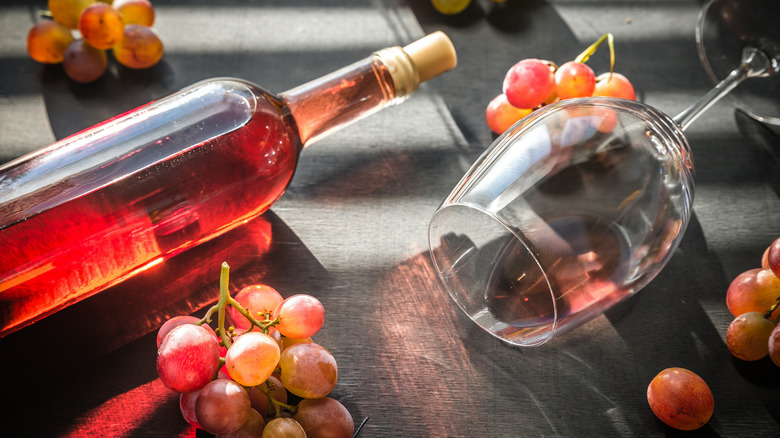
Being made from rich wines like Grenache and made in a way that splits the difference between rosé and red you might expect the actual taste of these wines to also be a blend of those two, and you would be correct. Compared to the light texture and crisp flavor of the pale rosés many of us drink, dark rosé is dryer and more complex. They tend to start bright like a light rosé, but then linger with more bold flavors at the end, like a red.
Some of this comes from the tannins. While tannins in wine can come from a few sources like seeds, they also come from grape skins. They give wine texture, and tannins are also responsible for red wine's "dry" sensation, along with a slightly bitter flavor. So the longer skin contact that dark rosés get will naturally produce a little more dryness, and the depth that bitterness brings, compared to quaffable light rosé. The grapes used in dark rosé are also more likely to produce savory and spicy notes.
This meeting between light rosé and red wine is wonderful and unique on its own, but it is particularly good when paired with food. Compared to a delicate, paler rosé, the darker styles have the body and flavor to hold up to more flavorful dishes. Grilled meats, spicy flavors, or complex sauces all risk overwhelming lighter wines, but dark rosé can be paired with them, while still giving you a lighter experience than your go-to red options. So next time you grab a rosé wine, shop by color and you might be surprised with your new favorite wine.