

What Americans Were Eating In 1776
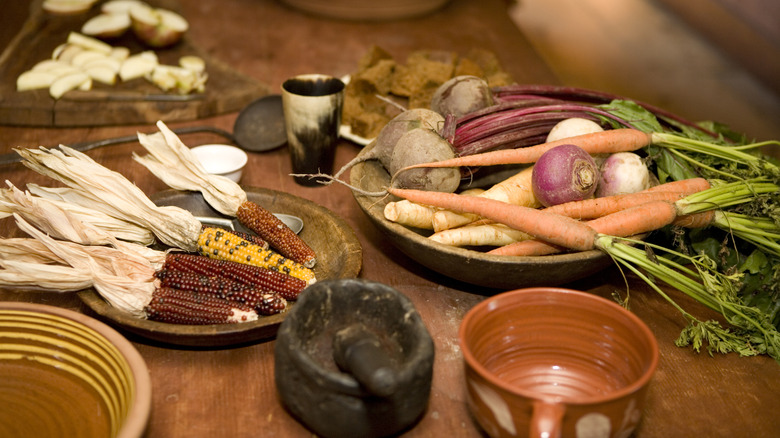
You don't need us to tell you that a lot can change in a year. Now multiply that by 250, add in factors like the Industrial Revolution and modern technology, and you get a sense of how much life has evolved since the American Revolution. As always, one of the best ways to observe such changes is by taking a peek in the kitchen. We spoke to several food historians to understand what colonists were eating around the time the Continental Congress signed the Declaration of Independence, changing American history forever.
KC Hysmith, Ph.D., is a writer, editor, food scholar, and recipe developer. Meanwhile, Keith Stavely and Kathleen Fitzgerald have written three books together about the evolution of American cuisine, with a special emphasis on regionality and early cookbooks. Their insights shed light on how staples like Great Cake and tea were closely linked to British cuisine, while dishes like Johnny cakes and hasty pudding starred Indigenous ingredients. Furthermore, socioeconomic disparities, geographical region, trade blockades, and political affiliation (for instance, whether one considered themself a Loyalist or a Patriot) all affected one's diet.
Feeling adventurous? You can try many of these dishes yourself, aided by the convenience of modern cookware. Most of them feature simple, readily available ingredients, and you can add extra spices if desired.
Johnny cakes
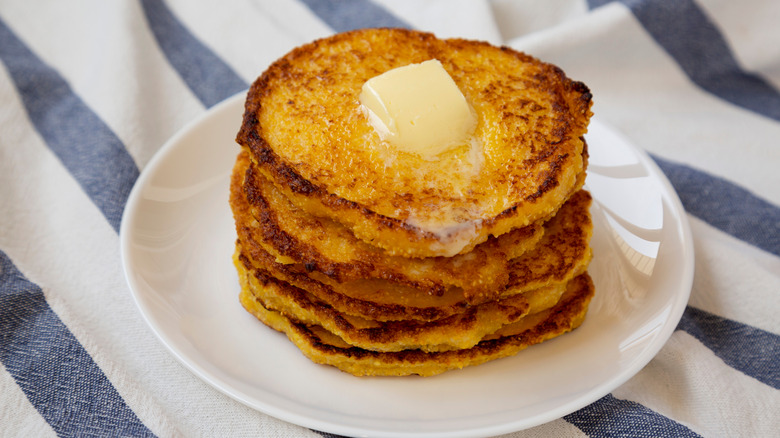
Johnny cakes, which were one of George Washington's favorite breakfast foods, bore a strong resemblance to pancakes, explains KC Hysmith. However, instead of being made with all-purpose flour like pancakes are today, they were typically made with cornmeal or a mix of cornmeal and wheat flour. It's just one example of how cornmeal (or "Indian corn") made its way into the colonial diet. Indeed, Johnny cakes weren't enjoyed in Great Britain, and Benjamin Franklin once proudly wrote that "johny or hoecake, hot from the fire, is better than a Yorkshire muffin."
Regardless of socioeconomic class, you would have probably chowed down on Johnny cakes if you had lived in the 18th century, Hysmith notes. Toppings, though, would have looked different based on how much money you had to spare. Lower classes usually opted for molasses, Hysmith says, while maple syrup and fruit preserves were preferred by those of higher means.
Johnny cakes were more commonly known as hoe cakes in the South, where enslaved people ate them in abundance, elaborate Keith Stavely and Kathleen Fitzgerald. Wondering about that peculiar name, "hoe cake"? It could have been inspired by the hoe-shaped tool folks used to handle and bake the delicacy, they explain.
Rye and Indian bread
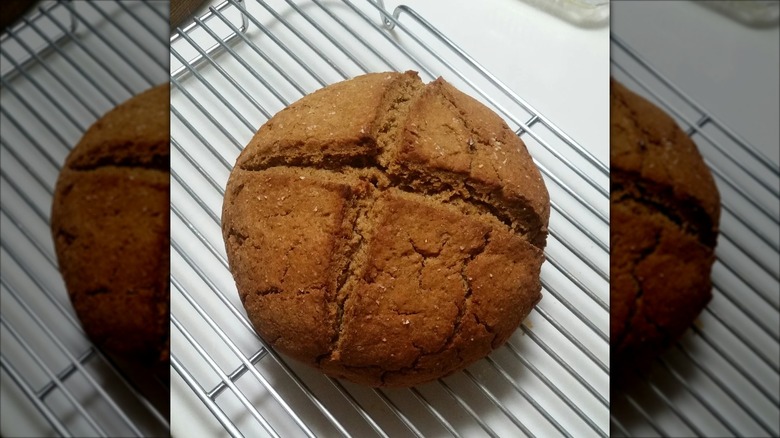
Mid-Atlantic and Southern colonists frequently ate wheat bread, Keith Stavely and Kathleen Fitzgerald share. However, due to differences in crops, those in New England usually ate rye and Indian bread instead. This staple consisted of cornmeal and rye, alongside a pinch of salt and yeast. It was dense — 7 to 8 pounds per loaf, according to Stavely and Fitzgerald — and baked either in a brick oven (for those who could afford it) or in a cast-iron skillet over hot coals. In the case of the latter, a lid covered in hot coals was used to brown the bread's surface. A single loaf could last a family for the whole week.
Though rye and Indian bread was the norm in New England, the upper classes sometimes imported wheat if they desired lighter bread, Stavely and Fitzerald explain. Plus, colonists near the Connecticut River Valley were able to capitalize upon the wheat that grew there in abundance. After the Erie Canal was opened in 1825, wheat was more easily transported from one region to another. Naturally, rye and Indian bread fell out of fashion as a result.
Salads with fresh greens
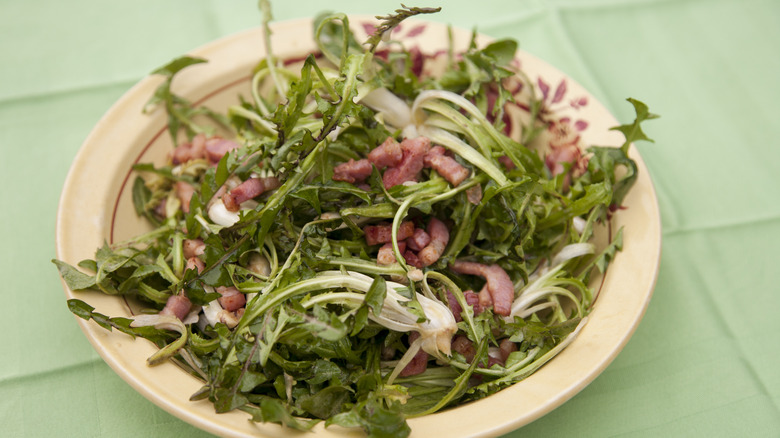
Though folks couldn't stock up on plastic boxes of lettuce and spinach at an 18th-century market, they did enjoy salads with fresh greens when the season was right, explains KC Hysmith. Rather than following rigid recipes like we do today when recreating a trendy green goddess salad, folks were more likely to top their greens with dressings made from the likes of oil and vinegar, Hysmith shares.
Those who had space for a garden were likely to have one, says Hysmith, regardless of socioeconomic status. That includes the rich; along with farming, gardening was all the rage among society's elite. In fact, beginning in the 17th century, the term "gentleman farmer" referred to one who sought to make farming a scientific endeavor and hobby, as opposed to one who farmed to make a living and feed hungry mouths. Nevertheless, Hysmith notes, men typically stayed away from gardens, preferring to devote their attention to farms instead.
Out of these farms and gardens (the latter of which were overseen by women, children, and household staff) came a variety of plants, Hysmith explains, including ones grown from seeds shipped from Europe. Families dined on herbs and produce straight from the garden, including salad greens like white mustard and various cresses.
Hasty pudding
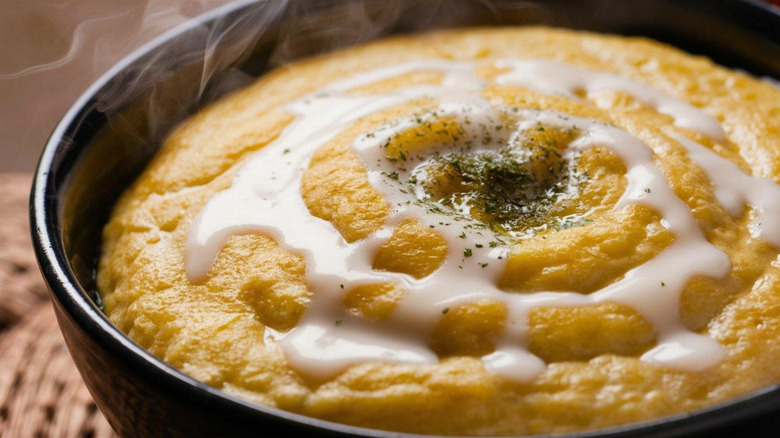
Hasty pudding was a reliable staple among colonists, Keith Stavely and Kathleen Fitzgerald say, because it utilized cornmeal, which was widely available at the time. Like polenta, cornmeal was cooked with water for extended periods of time. Sometimes it was topped with molasses, and, when possible, a colonist may have prepared or drizzled hasty pudding with milk.
However, it wasn't always easy to obtain fresh milk, especially in the city, KC Hysmith notes. Robust refrigeration techniques hadn't yet been developed, so rather than let milk spoil, it would usually have been transformed into cheese, Stavely and Fitzgerald explain.
Ever resourceful, colonists would often slice and fry leftover hasty pudding, not letting its tough texture deter their appetites. After all, with its simple nature and homegrown ingredients, eating hasty pudding was an expression of solidarity with the patriot cause, another reason not to let it go to waste. In fact, Benjamin Franklin wrote that cornmeal was "one of the most agreeable and wholesome grains in the world." Hasty pudding can still be found in New England today, usually with molasses.
Great Cake/Fruit Cake
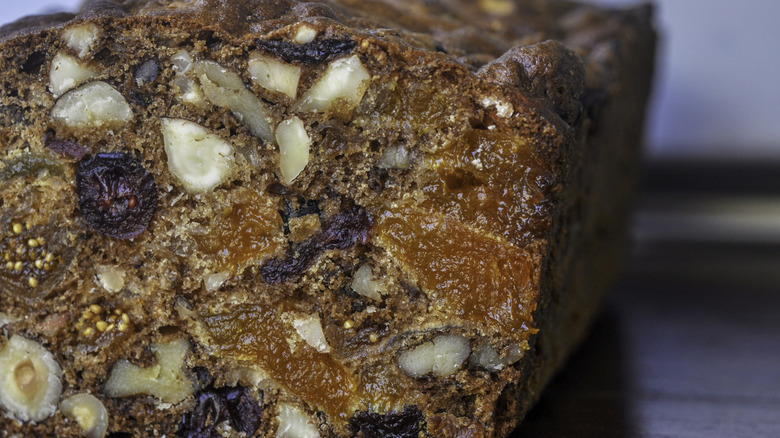
In the 18th century, fruit cake was commonly called Great Cake. Few versions are as famous as Martha Washington's Great Cake; one of her recipes required 40 eggs and 4 pounds each of sugar and butter. Currants and blanched Jordan almonds were often added to Great Cakes. However, specific ingredients depended on one's class, shares KC Hysmith, since there was an inherent cost associated with importing spices, alcohol, and sugar.
Great Cakes were served on special occasions like weddings and Christmas, and they were often prepared months before they were destined to be eaten. Like many bakers still do with fruit cakes today, Great Cakes were regularly soaked in alcohol (for instance, brandy and fortified wine) for preservation.
Great Cakes were the predecessors of Election Cakes, shares Hysmith. These cakes were used to mark major elections following the American Revolution and into the 20th century. Some people still make Election Cakes today, as much for stress relief as a call for unity. Regardless, it's hard to resist such a sweet treat, and Hysmith notes that colonial cooks didn't hesitate to add sugar and molasses to their meals whenever the opportunity arose.
Pottage
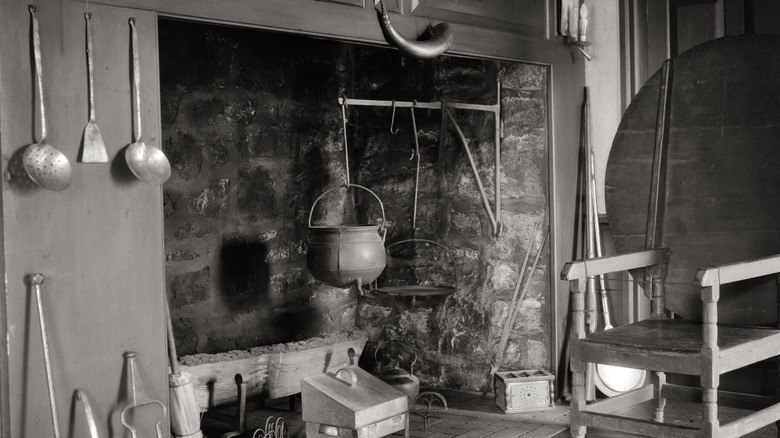
In 1776, the average artisan or yeoman farmer would frequently dine on pottage, Keith Stavely and Kathleen Fitzgerald explain. This wasn't necessarily the most elegant dish, but it did provide a reliable source of protein. Essentially, pottage was a stew that perpetually bubbled in a kettle hung over a hearth fire. That way, folks could ladle themselves bowls of sustenance whenever their appetites demanded it. Depending on the ingredients at hand, pottage may have contained salt pork, salt beef, or salt fish, as well as vegetables like cabbage, turnips, and potatoes, say Stavely and Fitzgerald. Binding all this together was a thick broth containing the likes of cornmeal, oatmeal, or flour.
Indeed, this was the epitome of a one-pot meal, prized for its convenience and ability to accommodate a wide range of ingredients. Before it arrived in colonial America, pottage had been eaten for centuries in Europe. It was relatively affordable, but even those with more pocket change could enjoy it, perhaps accompanied by a few spices and a touch of alcohol.
Pottage in the 18th century also took the form of pease porridge (featuring dried legumes) and bean porridge (featuring small white beans or broad beans), explain Stavely and Fitzgerald. The latter dish preceded baked beans, and though it was made with salt pork and occasionally pepper in the 18th century, it evolved to include molasses.
European food (for a few wealthy elite)
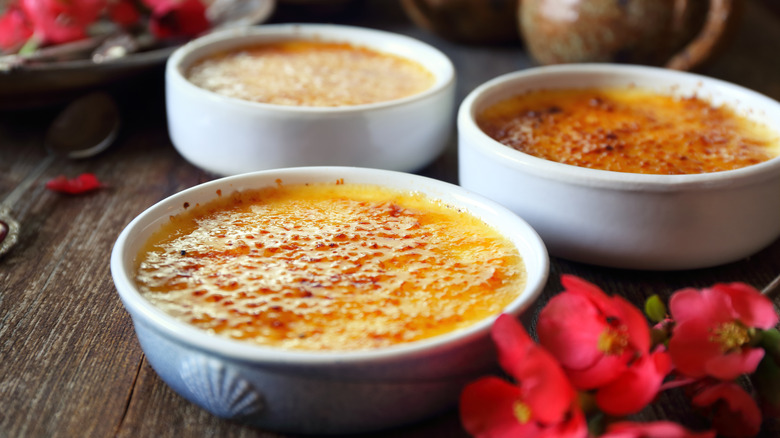
European food wasn't exactly common in colonial America, but a few members of society's elite did indulge in it for a dose of variety, splendor, and refinement. However, this was undoubtedly a point of contention, even amongst the wealthy. No matter how mouthwateringly delicious a French mousse or casserole may have been, many people were staunch advocates of avoiding anything to do with the country in the name of politics. After all, in 1776, the French and Indian War was not a distant memory. Furthermore, with revolution in the air, ingredients and recipes native to the Americas were often seen as morally superior to those imported from Europe.
However, it is worth noting that Thomas Jefferson — one of the U.S. presidents known for appreciating good food – developed a taste for dishes like crème brûlée and macaroni and cheese. In addition to having his kitchen staff trained in making French dishes, he brought French and European tools into his kitchen, shares KC Hysmith. This shift largely occurred after the American Revolution (Jefferson lived in Paris from 1784 until 1789), but even then, not many people adopted his habits. For years after gaining independence, folks continued to view American dishes as more righteous and patriotic. Jefferson wasn't alone in his passion for French food, but his diet certainly didn't reflect that of most folks at the time.
Lobster
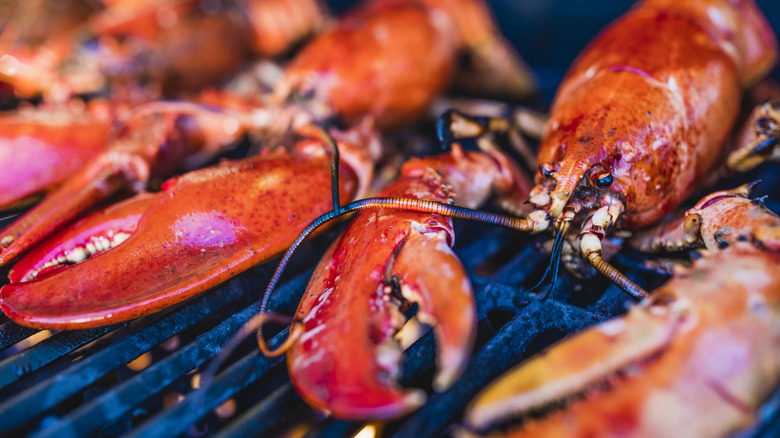
Lobsters were once caught in prolific numbers, says KC Hysmith, so like other modern luxuries, it was once considered a poor man's food. Not only were they relegated to the diets of lower classes, prisoners, and servants, but these crustaceans were even unleashed as fertilizer, livestock feed, and fishing bait. Yes, the animal that is now the revered icon of vibrant summer festivals across New England was once called the "cockroach of the sea."
Furthermore, lobsters during the colonial period frequently exceeded 20 pounds. Bigger does not mean better in the world of lobsters, and such large specimens would have been accompanied by tough, rubbery meat. They wouldn't have cooked as evenly, and they wouldn't have been as sweet, either. There were several ways of preparing lobster back then. For instance, Indigenous groups would line lobster with seaweed and cook it over hot rocks. Cooking the animal after its death (rather than alive) was also common practice.
It wasn't until the mid-19th century that lobster regained its luxury status, when it was served in the "Lobster Palaces" of New York City. The story just goes to show that there's hope for anyone to rise from the ashes.
The diets of the enslaved looked a bit different...
Despite the fact that enslaved folks were legally entitled to rations, KC Hysmith explains, such allotments usually weren't reliable sources of nutrition. Nor were they consistently palatable, often including subpar cuts of meat and whatever foods the slave owners deemed undesirable.
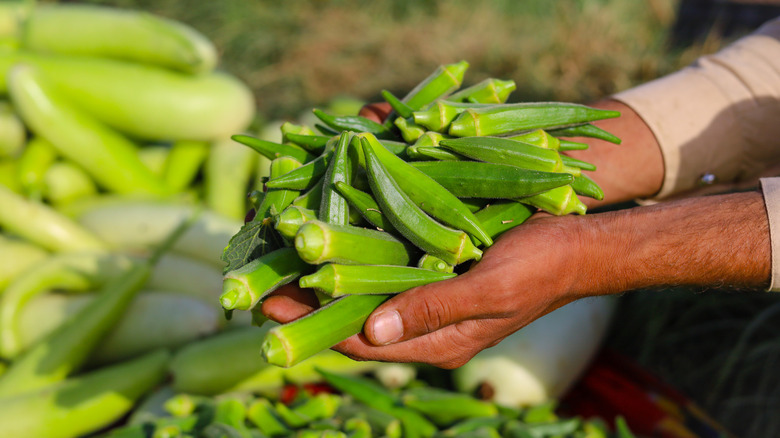
"Despite these austere circumstances," Hysmith says, "culinary creativity thrived." Enslaved folks turned to gardens as sources of fresh produce, combining fruits and vegetables with rations like cornmeal (hoe cakes were extremely common). Okra and watermelon seeds arrived in America by way of the transatlantic slave trade and were commonly grown.
Several delicious dishes would go on to withstand the test of time, from gumbo to hoppin' John to barbecue. Enslaved folks were occasionally permitted to keep chickens, Hysmith says, and so variations of fried chicken can even trace its roots to this time period. Indeed, soul food is still very much alive with the legacy of the perseverance and resourcefulness of enslaved folks.
And so did that of Indigenous groups
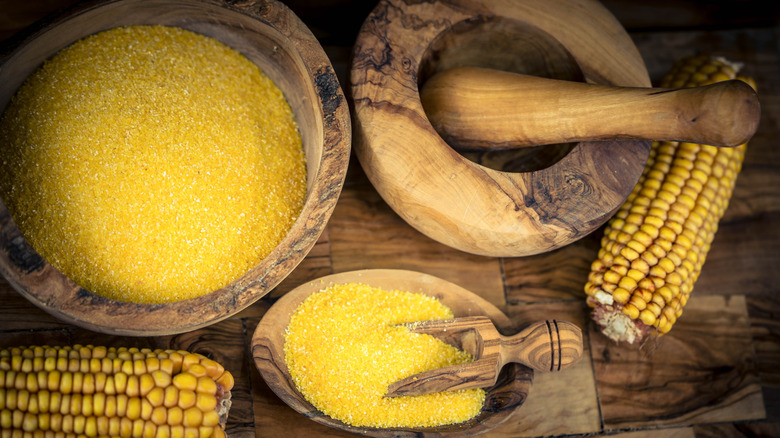
As we have already seen, the diets of Indigenous groups majorly influenced that of colonists. Aside from cornmeal, KC Hysmith shares, ingredients like seafood, wild game, apples, squash, tomatoes, certain greens, and various legumes were all native ingredients enjoyed by Indigenous peoples. Colonists quickly adopted such ingredients into their own diets and took pride in eating them, too.
Naturally, trade also worked the other way. By the time the first shots of the American Revolution were fired, the diets of Indigenous groups and colonists had merged in many ways. After all, Europeans had been exploring the Americas since the late 15th century. Alcohol, refined sugar, and refined flour all found increased demand among Indigenous groups. These weren't always intentional or even welcome choices, Hysmith explains. Factors like forced assimilation and colonists' obliteration of traditional foodways (often by way of land acquisition and destruction) were largely responsible.
Tea, Liberty tea, and coffee
Remember learning about the Boston Tea Party in school? This protest was a reaction to the tea tax implemented by Britain without colonial representation. Protesters tossed around 340 chests of tea into Boston Harbor in 1773, disguised by the darkness of night and Indigenous-inspired costumes.
Now that Americans are so enamored by coffee, it's remarkable to imagine how tea could have ever had such an emotional, financial, and political stronghold over colonists. But indeed, it did. Even those patriots without the courage to dump tea into a harbor would have refrained from publicly drinking it in 1776, shares KC Hysmith.
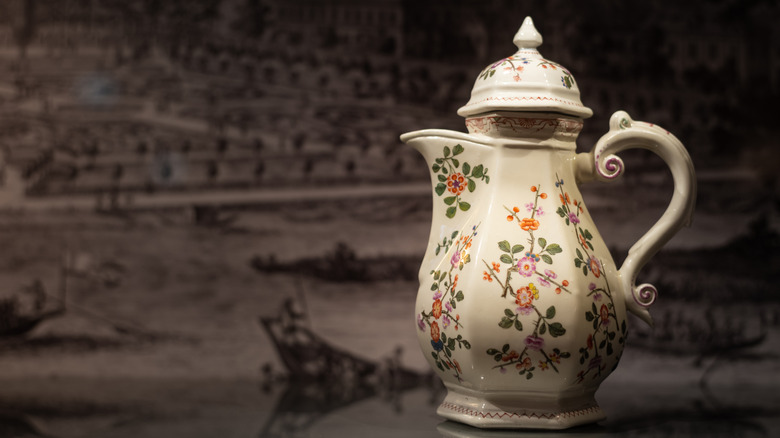
In its absence, Liberty Tea was made from local herbs and botanicals, many of which colonists grew in their gardens. Raspberry leaf tea was popular, as was mint tea. Regional herbs also made for unique herbal teas; for instance, in New Jersey, red root tea was consumed. In 1776, Boston's grocery drink business — encompassing beverages made from berries, leaves, and fruits — was in full swing, Keith Stavely and Kathleen Fitzgerald note. Alongside such beverages, Bostonians produced stunning teapots. Meanwhile, coffee served as yet another substitute, providing a socially acceptable source of caffeine. Coffee shops existed, explains Hysmith, but only white men would have frequented them.
Alcoholic beverages
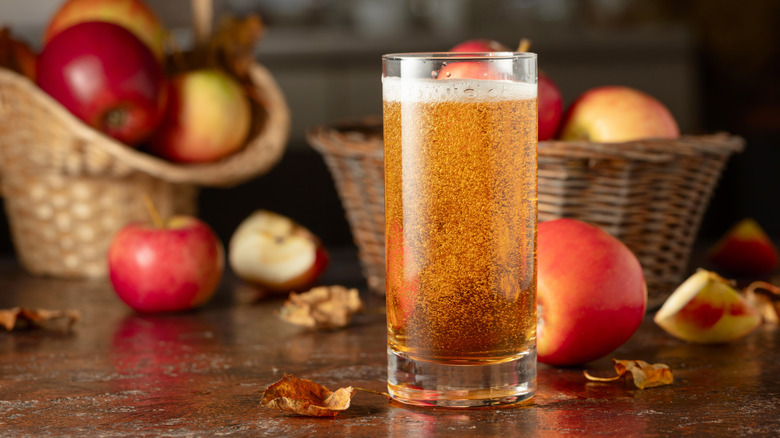
Alcoholic beverages were often safer than water in the 18th century. According to KC Hysmith, the cleanliness of drinking water could be especially difficult to ensure in booming urban areas. Beer and cider were therefore commonplace (of course, there were other reasons for their popularity, too).
Fine wines (including Madeira) were sometimes an option, add Keith Stavely and Kathleen Fitzgerald, especially for society members like merchants, wealthy farmers, landowners, and ministers. Meanwhile, rum produced from West Indian molasses was economically accessible to a wider range of folks.
Beer, cider, wine, and rum — these are all familiar enough. But syllabub? That was an 18th-century delicacy most of us have never heard of. According to Stavely and Fitzgerald, this concoction of milk and wine (or milk and hard cider) was an elegant treat only available when milk or cream were on hand (remember, home refrigerators didn't come along until the 20th century). Syllabub was mixed until thick and frothy, but the alcoholic component would sink to the bottom of the glass within two to three hours. The two resulting layers were as much a visual delight as a tasty dessert.
Similarly, colonists sometimes drank sack possets, say Stavely and Fitzgerald. These drinks combined alcohol (such as ale, sherry, or fortified wine) with cream, eggs, sugar, and perhaps a warm spice like nutmeg. Served at celebrations like weddings and christenings, possets were also suitable for more general consumption when combined with crumbled bread to resemble porridge, explain Stavely and Fitzgerald.