

How Long On Average You Can Expect Your Refrigerator To Last
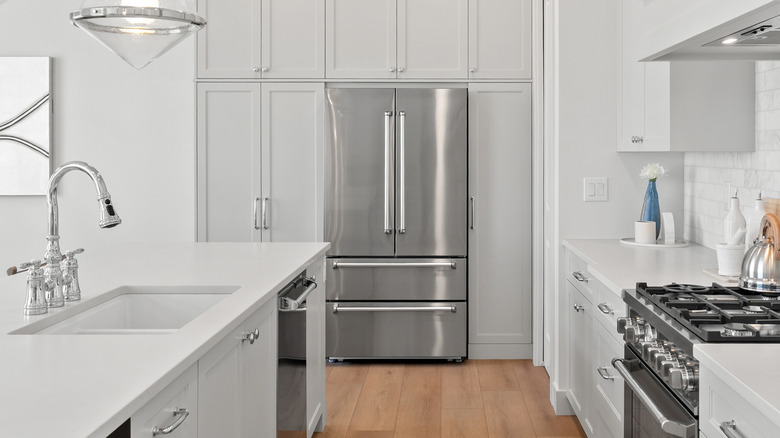
Refrigerators are one of the only appliances that never really catch a break, running around the clock to prevent food from perishing. When a fridge finally gives up, it's rarely a drama-free affair. Besides having to cough up the cash for a replacement, there's also the chance you'll waste spoiled food. Fortunately, refrigerators are built to last, and if you know what signs to look for, you can replace the appliance before it starts causing problems.
According to the U.S. Department of Energy, the average lifespan of a refrigerator is 12 years — some fail sooner, while others last nearly twice that long. The appliance's longevity comes down to the quality of the brand and how it's cared for, but the type of fridge can also make a difference. Ironically, fancy refrigerators often break down sooner than basic top-freezer models — they're more complex, meaning there are more things that can go wrong and more parts that can malfunction. Environment is also a factor, as fridges in hotter climates have to work harder to stay cold, which may shorten their life span. Plus, fridges become less energy efficient over time, so even if an old unit is functioning as intended, it could be causing your bills to soar. If you notice this happening, perhaps it's time to replace your fridge with a newer, more efficient model.
Other signs that your refrigerator might be on its last legs are if it's struggling to keep food cold, leaking, or making unusual sounds and vibrations. The good news is that many of these problems can be prevented — or at least delayed — with proper maintenance.
How to prolong the lifespan of your refrigerator
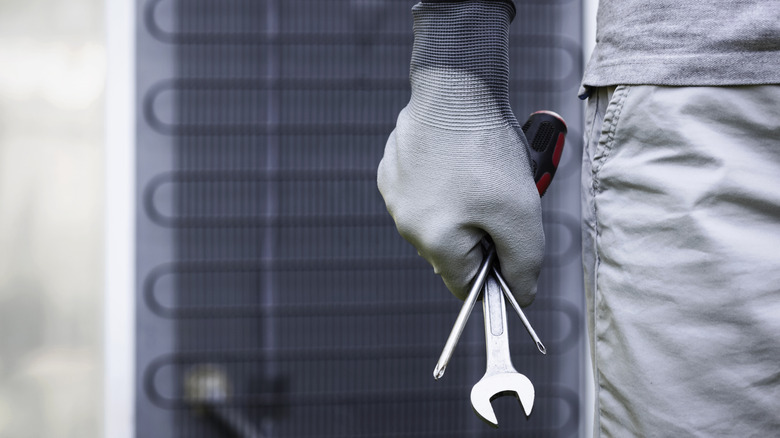
No refrigerator lasts forever, but regular maintenance — and addressing issues in a timely manner — can go a long way toward extending the appliance's lifespan. Many of these tasks are quick and easy so there's no need to pay a technician to take care of them.
One of the simplest ways to extend a fridge's life is to clean the condenser coils. Without diving too deep into the specifics of refrigeration, these coils are how heat is expelled from the system. When they get dirty, they become less efficient and your fridge has to use more energy to stay cold. The coils are typically located at the back of the fridge, and you can remove any dust buildup with a vacuum cleaner — just remember to unplug the unit before doing so. Many folks suggest cleaning the coils once a year before the summer, as this is when your fridge needs to work hardest. It's also a good idea to regularly check door seals to ensure they're not leaking cold air. Another refrigerator maintenance task that's often overlooked is cleaning the air filter. A dirty filter traps smells and odors inside your fridge, but a clean one can help fresh food last longer. The same applies to water filters if your fridge dispenses water or ice — if they're not cleaned or replaced frequently, they'll be less effective at removing impurities.
For optimum efficiency, stick to the recommended temperatures (35 to 38 degrees Fahrenheit for fridges, 0 degrees for freezers), and keep it full without overloading the compartments. With proper care, your fridge could last well past the 12-year average.