

You Can Make Aluminum-Free Baking Powder In Minutes With These 3 Ingredients (Your Cakes Will Thank You)
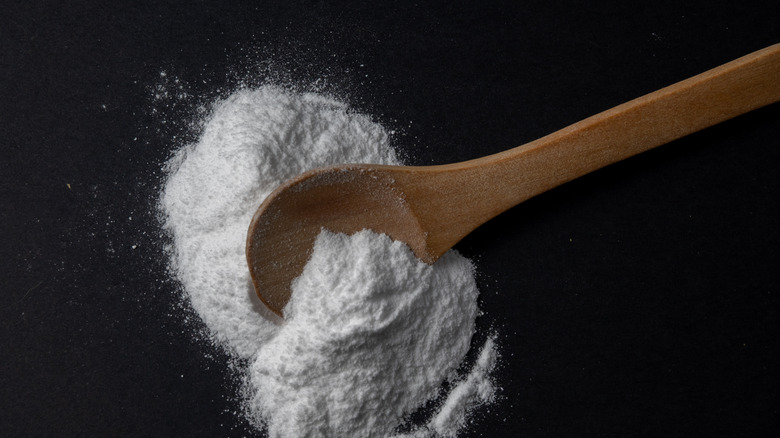
Baking powder is a must-have for any home baker. When it interacts with water, it releases carbon dioxide bubbles, giving the perfect lift and airiness that you need for a delicate cake, cookie, or dessert. However, there will be times when you run out of baking powder — or find it's not as fresh as you'd like. You don't need to panic, as you can create baking powder at home with three simple ingredients: baking soda, cream of tartar, and cornstarch.
In this substitute, baking soda is the primary leavening agent. It's different from baking powder in that it interacts with acid, rather than water, to release those air bubbles. Traditionally, baking powder is made with aluminum compounds, including sodium aluminum sulfate or sodium aluminum phosphate, which temper the reaction and make what we call double-acting baking powder, which means it bubbles both once it interacts with moisture in the bowl and when it hits the oven.
When you add cream of tartar to this baking powder substitute recipe, you'll only get single-acting baking powder — meaning it will give you a rise, but if you let the batter sit too long, it may come out of the oven flatter than you'd want. The last component, the cornstarch, is added to prevent the homemade baking powder from forming clumps (the cream of tartar is notoriously responsible for this).
When to use this substitute at home
Although it's easy to assume that this quick substitute can be used any time you need baking powder for a recipe — like for a decadent batch of brownies or a stack of pancakes — there are some important considerations about when to use it.
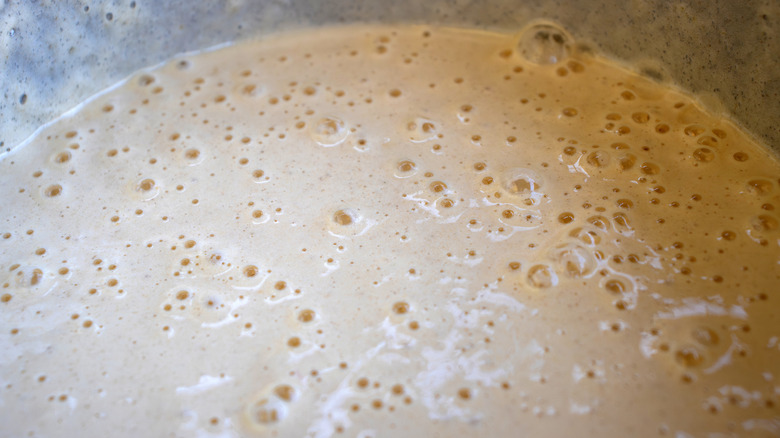
The major factor is how long your batter will be sitting. Once you add liquid to batter, and especially after you add any acidic ingredients like lemon juice or vinegar, you'll notice bubbles start to form. That is fine if you're throwing your pancake batter directly on the griddle to cook, and this is a good example of a place where the substitute shines.
But if you plan to let your batter sit for a long time or pop it in the fridge to chill (as you would with cookie dough), you may not get the rise you anticipate with this baking powder substitute. For these instances, you may be better off sticking to double-acting baking powder.