

There's A Reason Younger Generations Are Fanatical About Iced Coffee
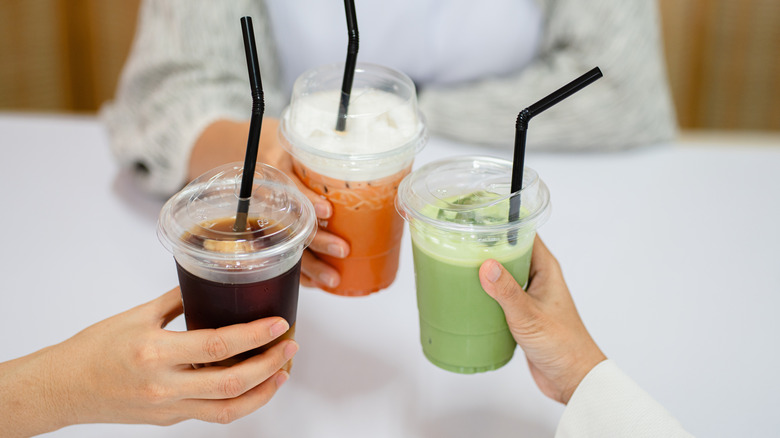
Famously, it's different strokes for different folks — perhaps never more so than in the coffee realm. Although, while one's coffee order is a deeply personal thing, certain demographics tend to share common java preferences. What we mean is, when it comes to coffee, Gen Z likes it sweet and iced. According to the National Coffee Association's Fall 2025 Coffee Data Trends report (via CStoreDecisions), nearly 50% of Gen Z consumers interviewed reported drinking a specialty coffee in the past day, and 40% of those were an iced coffee beverage – more than any other age bracket in the country. What's behind this generational trend?
For the uninitiated, the iced coffee world extends far beyond cold brew to espresso tonics, frozen lattes, and more — and the sheer number of these different types of coffee drinks might be their biggest secret to success. Iced coffee is far more personalizable than the hot stuff. Flavored syrups, creamers, and plant-based alternative milks provide wide-ranging opportunities for customization, which seems to appeal to Gen Z consumer preferences. This might be an evolution of the focus on individualism that emerged during the "Me Generation" (born between the early 1980s and 1999). Applied to Millennial and Gen Z consumers' coffee preferences, this could look like "I order an iced lavender soy latte to enjoy and express myself" versus an older, perhaps-outdated mentality of "I order a mug of hot coffee because I'm sitting at a diner with friends and that's what we're all ordering."
Customizable flavors appeal to creative individualism
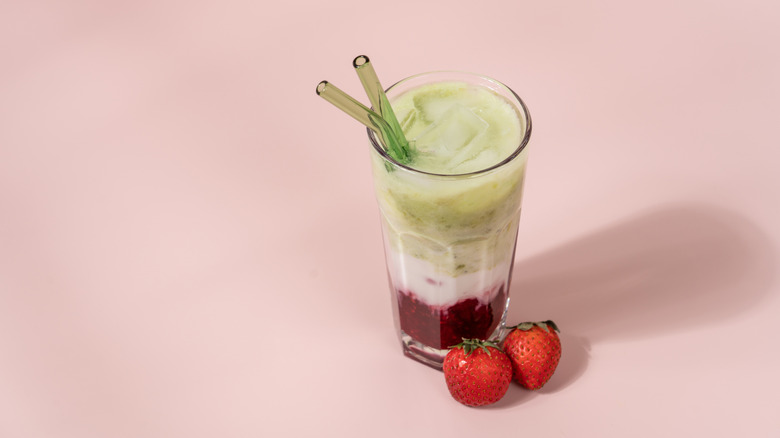
These sweetened customization routes also make iced beverages more deliciously appealing for new coffee drinkers (who are traditionally teens and young adults). From a proprietary standpoint, many businesses use those unique, specialized flavors to attract customers to order their iced coffee out instead of choosing to make plain iced coffee at home (we don't have sugar cookie latte syrup in the pantry, do we?). Judging by the figures, it seems to be working. In 2023 alone, reports CNBC, American consumers spent roughly $17.7 billion on away-from-home cold coffees, including iced coffee, cold brew, and frozen coffee drinks. Then, in fiscal Q4 2024, Starbucks saw iced drinks comprise 75% of its total sales.
Iced coffees are also highly Instagrammable — another appeal to young adults. From lush green iced matcha lattes, to a ripple of full-fat creamer swirling through cold brew, iced drinks photograph fabulously and make for a cute aesthetic on social media. A pink, botanical cardamom rose iced latte is worth posting, and a drink can double as art or content, selected for its visual appeal. Also pertaining to technology, these sales might be further springboarded by the proliferation of digital ordering platforms. According to Market.us News, the global iced coffee market was valued at a whopping $11.1 billion in 2024, and is on track to enjoy a further CAGR of 6.8% to hit $21.4 billion by 2034. Flavored iced coffee drinks account for 67.2% of that market share.
Iced coffee supports an on-the-go lifestyle more than a hot cuppa at a sit-down coffee break
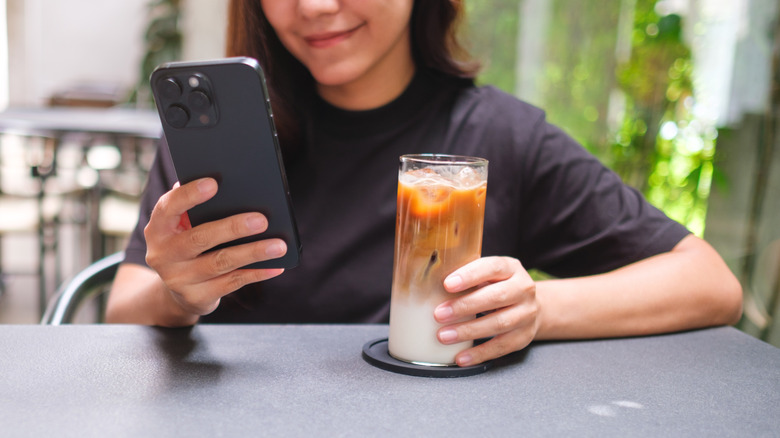
A Reddit thread asks, "Why [do] younger people tend to go for iced coffee rather than hot?" to which one commenter offers a trend-focused yet practical answer: "The hipster millennials popularized it and gen z just followed suit. In my opinion, there's nothing more disappointing than getting a hot drink that you don't get the chance to drink immediately, and then it's lukewarm in like 10 minutes." Indeed, beyond aesthetics or individualist dogma, iced coffee also offers functional utility, and today's young adult lives an on-the-go lifestyle. From school to work to side-hustles, Millennial and Gen Z consumers aren't pausing for a leisurely coffee break. On the contrary, younger consumers often opt for iced coffee simply because it can be slowly nursed throughout the day. At room temperature, hot coffee quickly starts becoming pretty unpleasant to drink.
Iced or hot, America is seeing a general uptick in coffee drinking among young adults. Wendy Zajack, faculty director of the Integrated Marketing Communications at Georgetown University, posits that Starbucks' growing prevalence during the 2010s introduced teenaged consumers to sweet iced drinks like Frappuccinos, thus forming a lasting taste preference (and a more positive introduction to "coffee" than the bitter, hot drip to which many older generations were first introduced), and the market has risen to take shape around them. "This also gets into the American psyche," says Zajack. "We all want to feel like we're getting our little special taste, and it makes us feel special."