

Avoid This Mistake When Storing Fine Wine Long-Term
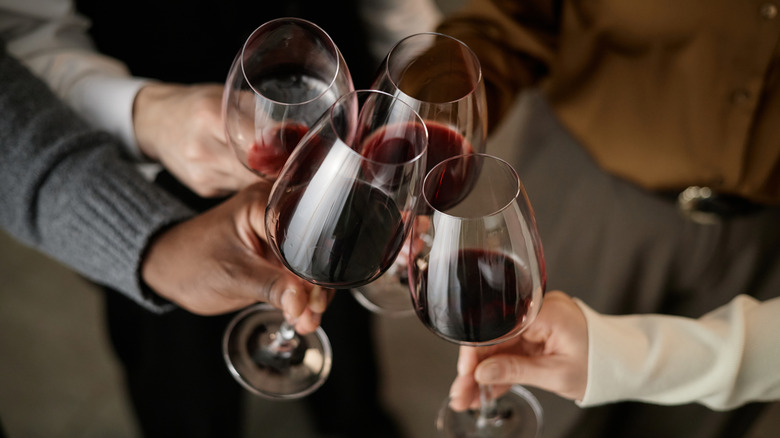
The age-old adage, "aging like a fine wine" doesn't always apply literally as not all fine wines get better with age. We spoke to Eléonore Latour, chief brand officer at Maison Louis Latour to help us understand both how to build a fine wine collection and proper storage practices.
According to Latour, "one of the most common mistakes is holding onto wines for too long, without a clear plan for aging. The intention to age a wine needs to be there from the start, and it requires building the right assortment of wine and understanding which styles and vintages will age well." Certain types of wine age better than others, and there are certain characteristics to look out for when it comes to choosing which fine wines to age. Red wines with high tannin content like Cabernet Sauvignon and Nebbiolo, and high acidity white wines like Riesling age well. Complex wines will benefit from aging to develop their many tasting notes. Wines with a higher sugar content like port and sauternes will also hold up well to aging as sugar is a natural preservative.
At the other end of the spectrum, it's better to drink young, simple, fruit-forward whites like Pinot Grigio and Sauvignon Blanc, reds like Pinot Noir, and Roses soon after purchase. "Select a mix of wines that are ready to drink now alongside a few that can evolve over time," says Latour. "This allows you to experience how wines change across vintages and styles."
The best way to store a bottle of prized wine
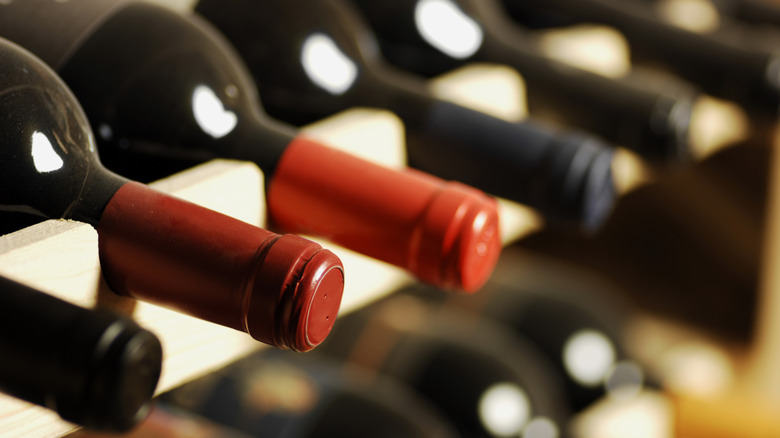
Fine wines cost a pretty penny and it's a tragedy, says Latour, to "see people save great bottles for decades, when they may have been at their peak much earlier." If you age a fine wine past its peak, all those complex tasting notes the aging process should've developed will become muted and potentially replaced with unpleasant vinegary or wet-cardboard flavors. Of course, you can always consult with a sommelier or wine expert when purchasing a bottle of fine wine to ensure that it will benefit from aging. And once you're sure you've chosen the perfect bottle to age, Ms. Latour also has some storing tips to optimize the aging process.
"In an ideal world, a rare or prized bottle should be stored in a proper wine cellar. The best conditions include a consistent temperature of around 12°C (54°F), natural humidity of approximately 70%, and a dark, stable environment, traditionally underground." Most of us don't have a wine cellar, but it's relatively easy to replicate these conditions. Latour advises us to "[focus] on a few essential factors: maintaining a consistent, cool temperature of 12°C/54°F, avoiding exposure to light and vibrations, and ensuring adequate humidity." Another storing tip to prevent the cork from drying out is storing wine bottles horizontally. It's also important to keep your collection well ordered so you don't overlook wine that's at its peak just because it's left in a box behind the scenes.