

For Rich And Tender Braised Cabbage You Won't Forget, Reach For This Unexpected Liquid
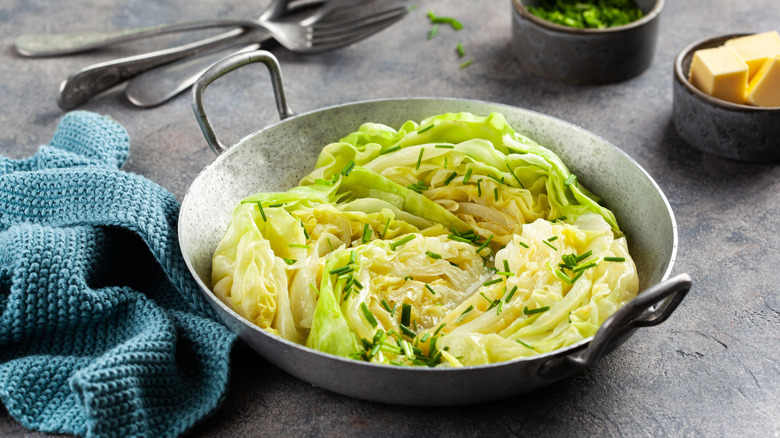
Braising is how you bring out a cabbage's hidden sweetness and melt away its unpleasantly sharp edges. What you're left with after a couple of hours is pure comfort simmering in a pot, and subsequently, an utterly satisfying dinner. Most recipes utilize a good broth or stock to achieve this, or even simpler, plain water. Although they get the job done just fine, there's a much better alternative you should try, and unexpectedly, it comes in a bottle of milk.
Abundant in lactic acid, milk makes a surprisingly good tenderizer, often seen in the way it's utilized as a meat marinade. In cabbage, it works similarly to soften the leaves by breaking down tough plant compounds. Beyond the textural change, it's the flavor enhancement that makes this ingredient swap truly worth a try. The milk's lacteal creaminess is always a soothing delight, but even more so when it mellows out the cabbage's bitter undertone.
Gone is the raw assertiveness that has you scrunching your face when biting into it. Instead, this vegetable's earthy sweetness and savory aroma are at the forefront. Depending on the cooking steps, the milk might even thicken into a sauce-like consistency, enveloping the cabbage in a velvety coat of rich flavors, all the more tasty as it absorbs the surrounding condiments and spices. An odd idea at first, a revelation on the dining table later, milk-braised cabbage is one of those cabbage recipes you're sure to love.
Different types of milk, different ways to transform your braised cabbage
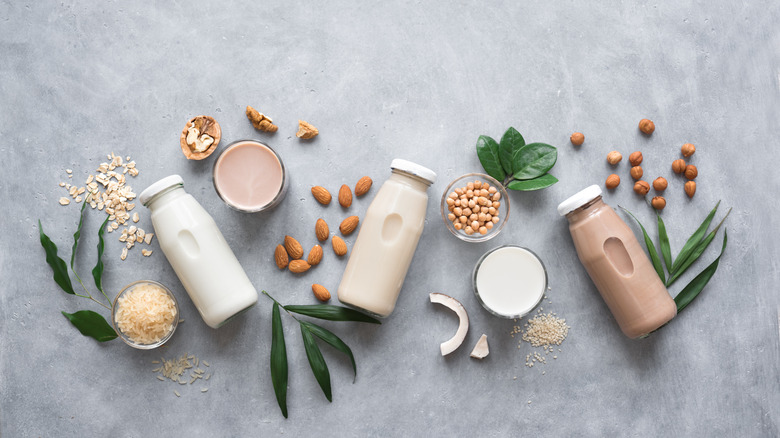
Even with a change in the key ingredient, braising cabbage in milk remains one of the simplest ways to cook cabbage. Once you have seared the wedges, add the milk to the pot and bring it to a simmer. Beforehand, you can also deglaze the pan with a wine or sweat a few aromatics to lace a subtle complexity into the milk base. The braising itself will take around 45 minutes to an hour, until the cabbage has softened and the liquid has thickened enough.
Don't hesitate to get creative with your choice of milk. Whole milk and its adaptable creaminess allow you to flavor the cabbage in any way you want, whether it's searing the cabbage with fragrant fresh herbs or blending horseradish straight into the braising liquid. The many types of plant milk out there are just as great. Coconut milk, for example, comes with influences from other cuisines — most notably Indian. Curry leaves, samba powder, ground turmeric, grated ginger, etc., are all good alongside it, altogether building a subtly spicy and tantalizingly aromatic flavor profile. Alternatively, try pairing it with lemongrass, ginger, garlic, and intense spices to reimagine the classic Indonesian beef rendang with your braised cabbage.
On the nuttier side, you've got cashew milk, which works great with a drizzle of chili oil at the end to contrast all that flavor depth. Soy milk will be ideal for anyone who prefers a lighter, more gentle sweetness. Conversely, if you want a truly thick, lustrous richness, opt for heavy cream or any of your preferred plant-based cream.