

The Sunlight Rule Tomato Plants Depend On For The Best Harvest
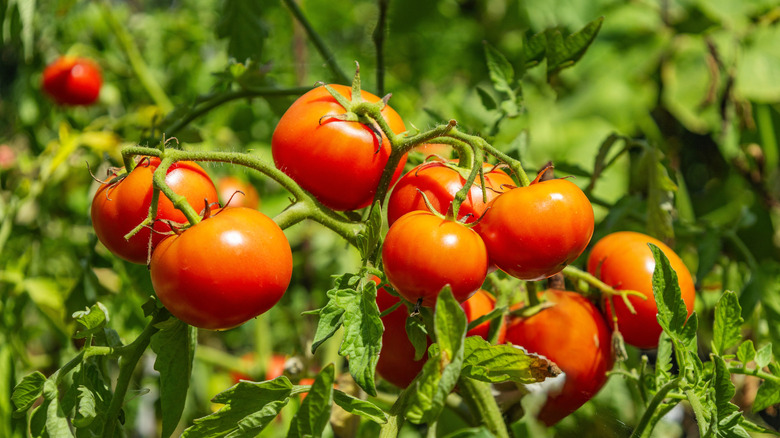
Harvesting your own juicy, ripe tomatoes has to be one of the most rewarding things about having a home garden, and a highlight of the summer months. If you're venturing into planting tomatoes, you're probably aware that they grow best in a warm climate, but a good crop of fruit also comes down to how much sun your yard gets. The general recommendation is full sun, but what does that actually mean?
When it comes to tomatoes, full sun means that the plants need six to eight hours of direct sunlight each day. Tomatoes will produce fruit with as little as six hours of sun, but for the best tomato harvest, you'll need about eight hours. This isn't just about the hours of daylight you get — it means bright, direct sunlight shining on the plant during these hours, without shadows or light filtered by foliage.
While it's warm weather that will turn green tomatoes into ripe red ones, it's the sunlight that determines how many you will get in the first place. Like most plants, tomatoes need sunlight to convert into energy in order to flourish. Without enough light, you won't just have a smaller harvest, but also a less healthy plant. Tomatoes that don't get at least six hours of sunlight will often be stunted or weak with thin stems, and can be more susceptible to disease.
Balancing sunlight and heat
As far as tomatoes are concerned, more sunlight is almost always better, but heat is another story. When temperatures soar, tomato plants can develop problems. They go into survival mode, failing to grow and losing blossoms. This makes the placement of your plants very important, especially if you're in warmer parts of the country.
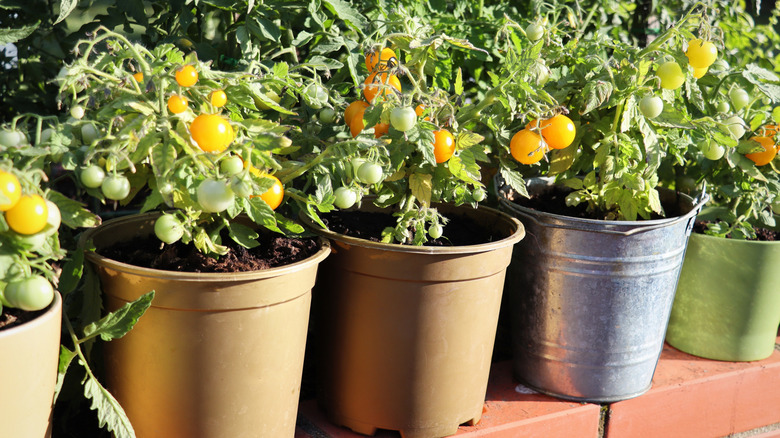
In order for your plants to get their full hours of sunlight, this means adequate sun exposure in the morning and afternoon. In hotter climates you should aim for more of the morning sun, which doesn't offer the same heat, and less of the afternoon sun. Regardless of where you live, getting enough morning sun is important as it helps to kickstart photosynthesis and dries off any overnight dew that can lead to fungal diseases. In hotter climates, the best placement for your tomato plants is where they will get afternoon shade. If the orientation of your yard doesn't allow for this, consider installing shade cloth to protect the plants from the afternoon heat. If you only have a few plants, growing them in pots will allow you to move their position in the height of summer to get more shade.
Choosing the right variety of tomato plants for your area is also important as some are more heat tolerant than others. Water plants in the morning (avoiding the leaves) so that they don't dry out during the day, and add a layer of mulch, which will both prevent evaporation and keep soil temperatures down.