

7 Overrated Cocktail Ingredients That Just Waste Money

We may receive a commission on purchases made from links.
After decades working in the restaurant industry, much of that time spent behind the bar, I've learned that not every cocktail ingredient earns its keep. Some promise flair or convenience but add cost, waste, or unnecessary fuss without actually improving the drink.
After debuting my cocktail, "The Nouveau Fashioned," at The Archives, an arcade and craft cocktail bar in Burlington, Vermont, I quickly learned the realities of an overcomplicated recipe. Dry-shaking egg whites left a film on my hands and piles of unused yolks. Atomizer sprays added a puff of aroma but rarely justified the theatrics. Service was delayed as I rushed to replenish novelty garnishes that disappeared, or worse — just ended up on the floor. I also learned that precision and a bit of extra effort, mattered far more than shortcuts. That's why I'd manually squeeze fruit until my arm ached, just for a quart of freshly squeezed juice. I'd meticulously craft syrups and grenadine from scratch, knowing full well that bottled alternatives have never produced an extraordinary cocktail.
Beyond pre-made juices and cocktail mixers, there's no shortage of products masquerading as bar essentials. Not only do these ingredients usually over-promise and under-deliver, but they often come with hidden financial, logistical, or environmental costs. Below are seven overrated cocktail ingredients that are often a waste of money, along with smarter, simpler alternatives that will help you craft better drinks with less effort.
Bottled Olive Juice

Most mixologists and martini lovers consider olive brine an essential ingredient, and while you can buy premium brines that are created specifically for cocktails, the case against bottled olive juice starts in your own fridge. If, like me, you always have a jar of high-quality olives in your refrigerator, then you already have everything you need for a proper dirty martini.
My go-to pick is a jar of oversized Super Colossal Spanish Queen olives — the brine is salty, faintly bitter, and olive-forward in a way that none of the lab-formulated products I've tried have managed to replicate. One of the benefits of using jar brine — a byproduct of a primary ingredient — is that it carries the idiosyncrasies of the fruit itself, sediment included.
Bottled options offer something more refined, with manufacturers formulating and filtering the olive juice for flavor and clarity, but they remain a convenience product masquerading as a necessity. I'll concede that bottled juices may not be a complete waste of money, and some industry professionals favor them, but they're definitely a needless expense — especially when there's already a jar of perfectly good brine sitting in your fridge.
Bottled Simple Syrup
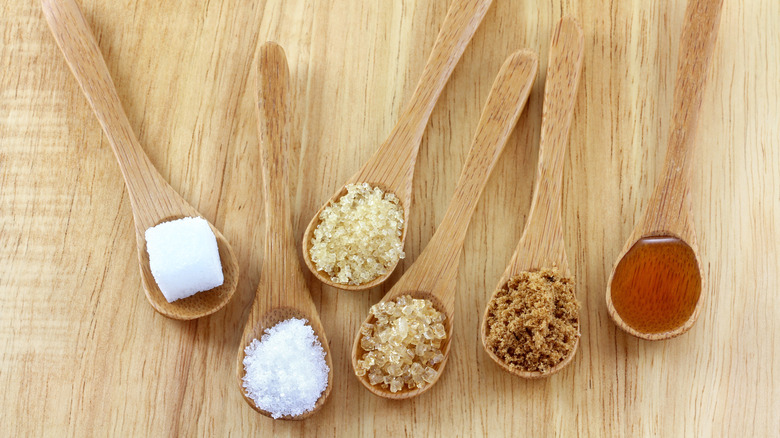
Perhaps the unsung hero of the cocktail world, simple syrup's value as an ingredient is undisputed. However, the case against pre-bottled simple syrup is even clearer than the one against olive juice, as it can be made from two cheap ingredients that most kitchens already have. Simply combine equal parts sugar and hot water — no special equipment required.
Making simple syrup from scratch is the best and most cost-effective way to have total control over the sweetness, texture, and flavor. And yet, pre-made versions continue to command a markup because of their supposed convenience. To be fair, many bottled simple syrups include extra ingredients that improve their texture and preservatives that offer longer shelf stability than homemade syrup.
Homemade syrup, by contrast, has no additives, providing greater ingredient transparency and adaptability. You can also control the sugar type, dilution, and flavor of homemade syrup, and there are endless ways to upgrade simple syrup and customize your recipe, so you can easily experiment to your heart's content. Citrus peels and warm spice blends are perfect for rich, wintery cocktails, while fresh berries, foraged herbs, and unique botanicals create dynamic and delicate taste profiles for summery drinks.
Pre-made Cocktail Mixers
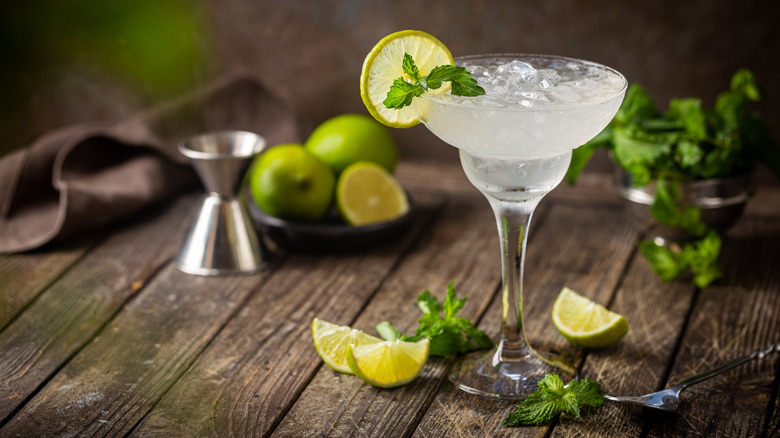
The appeal of pre-made cocktail mixers highlights an overarching theme in the world of modern cocktail ingredients: convenience. However, convenience is often overstated and overpriced, and when it comes to classic cocktails like margaritas and whiskey sours, you are never going to pine for a version that's built on ease and expediency.
Take margarita mix, for example. The appeal is obvious: add tequila and ice, give it a shake, and you're done. But not only do most mixes omit triple sec — a key component in a classic marg — they also undercut a process that only takes a few extra minutes and requires cheap, common ingredients, namely citrus and sugar. And for what? A flattened drink that relies on concentrates, acids, and preservatives instead of fresh juice. Even when marketed as "natural," these mixes are still pre-formulated blends designed for prolonged shelf life and consistency, not complexity or adaptability.
In my experience, Bloody Mary mix is the only notable exception. Combining tomato juice, spice blends, and umami-rich ingredients can sometimes be more labor-intensive than it's worth, and luckily, many brands offer a reliable base for the brunch staple. Zing Zang Bloody Mary Mix is a solid choice, but most mixes still benefit from an at-home zhuzhing — a squeeze of citrus, a couple shakes of hot sauce, or an extra spoonful of horseradish — which can go a long way in adding depth. Ultimately, most bottled mixers solve a problem that doesn't exist while dulling the very flavors they're meant to deliver. Save your money and mix the classics yourself.
Sour Mix and Bottled Citrus Juice
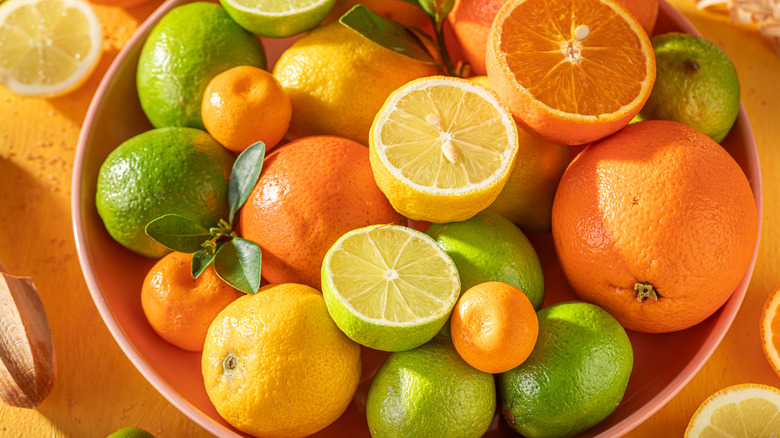
At its core, the argument against sour mix and bottled citrus juice is the same as the one against pre-made simple syrup — only more glaring. A well-balanced whiskey sour or margarita depends on fresh citrus for structure and balance, yet bottled alternatives replace that living ingredient with a shelf-stable approximation. Typically made from concentrate, the process of making sour mixes and bottled lemon or lime juices yields a cocktail ingredient with a flattened flavor that lacks aromatic complexity.
Take the brand ReaLemon. It's widely available, inexpensive, and consistent, but while fresh citrus delivers bright flavors, natural oils, and higher levels of nutrients like vitamin C, ReaLemon is heavily processed. Heat treatment, long-term storage, and preservatives degrade the fruit's flavor compounds, resulting in a harsh, one-dimensional acidity that pales in comparison to freshly squeezed juice. The tradeoff is longevity, as real juice begins to lose its brightness within hours, whereas unopened, bottled juice can last for months. While a tablespoon of bottled lemon juice can cost a fraction of the price of fresh-squeezed juice, the math ignores quality.
Sour mixes are even harder to justify, as they pre-combine two simple ingredients — sugar syrup and citrus juice — that take minutes to assemble fresh. These bottled mixes pre-package the sweet and sour flavors that many drinks are built on, but the two-in-one alternative has a bad reputation behind the bar. Its cloying sweetness and artificial citrus flavor yield a dull drink, whereas fresh juice doesn't. For cocktails built on brightness, that difference is the whole point.
Edible Essences
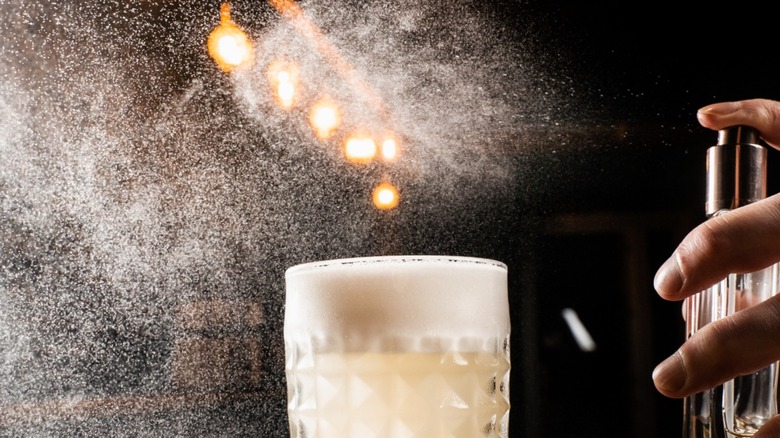
The rise of edible essences, cocktail perfumes, and fragrance sprays reflects a broader trend toward hyper-stylized mixology. For most drinkers, they're an overrated upgrade that increases costs without making meaningful alterations. These products are essentially atomized spirits, bitters, or extracts designed to deliver aroma in micro-doses, often via a fine mist sprayed over the glass or surface of a cocktail.
Brands like The Bitter Truth have helped popularize the category with products like aromatic bitters sprays, herbaceous atomizers, and citrus-forward essences intended for drinks like martinis, Manhattans, and sours. While they impart a controlled, undiluted aromatic layer to drinks, in practice, these sprays replicate effects long achieved through simpler and cheaper techniques — like expressing a citrus peel or rinsing a glass with a potent spirit.
A classic rinse, such as the absinthe wash used in a Sazerac, invites a similar "nose-first" effect by coating the glass with a small amount of liquid that's then discarded. This method delivers subtle herbal complexity and depth without overpowering the drink, while using ingredients already stocked in the bar. Just a few drops can introduce aromatic intensity comparable to any pre-made product. While cocktail perfumes may be a splurge-worthy gimmick for high-end bars prioritizing style and theatrics, for everyone else, they simply duplicate effects readily achieved with existing ingredients. This makes them less essential, more redundant, and most likely a waste of money.
Egg Whites

Egg whites have long been lauded as a cocktail ingredient for imparting a silky texture and foamy head, but they are becoming increasingly overrated as an ingredient — both in cost and practicality. Instead, consider using aquafaba – the viscous water found in canned chickpeas (also known as garbanzo beans) — as a more versatile, cost-effective, and sustainable alternative.
Aquafaba replicates — and in some cases surpasses — the foaming properties of egg whites, producing a dense, stable head that holds longer in the glass, with none of the off-putting sulfur notes that eggs can sometimes impart. Unlike egg whites, this sustainable cocktail ingredient is vegan, shelf-stable, and less prone to spoilage, reducing both waste and risk in a home bar setting.
In a bar setting, egg yolks often accumulate with no immediate use, whereas using aquafaba creates considerably less physical — and therefore financial — waste. Plus, a single can of chickpeas is cheaper than a dozen eggs. In short, aquafaba delivers on quality, versatility, and sustainability, proving that the "classic" cocktail ingredient is better saved for breakfast.
Non-functional garnishes

Non-functional cocktail garnishes — like dehydrated citrus wheels, edible flowers, and novelty tchotchkes — are often overrated additions that create waste and cost more than they're worth. Rather than contributing meaningful aromas or flavors to the drink, these elements serve as visual flourishes that are used once and discarded.
A cocktail umbrella, for example, does nothing to enhance taste or aroma, yet bar professionals and home mixologists alike pay a premium for these single-use accessories. Similarly, colored sugar rims or imperceptibly flavored salts may add momentary complexity, but they seldom radically alter a cocktail. Plus, they're often cheaper to make from scratch. The appeal of these garnishes often lies in their aesthetic. While these elements may seem sophisticated at a high-end bar, at home, they can feel a bit pretentious. Similarly, fresh herbs — like mint — can contribute to a cocktail when properly muddled, but if they're simply dropped on top, they'll often wilt with no noticeable impact. Some seemingly non-functional garnishes do serve a purpose — just not one that pertains to taste. Take, for instance, the Italian tradition of serving sambuca with three espresso beans — they don't impact the flavor, but the ritual carries cultural significance.
When used effectively, traditional cocktail garnishes carry weight beyond the drink's presentation. But when it comes to cocktail umbrellas, oversized florals, or the rogue sparkler, these non-functional garnishes can increase cost and waste, canceling out any aesthetic benefits.