

Bored With Oatmeal? These 15 Foods Have More Fiber Anyway
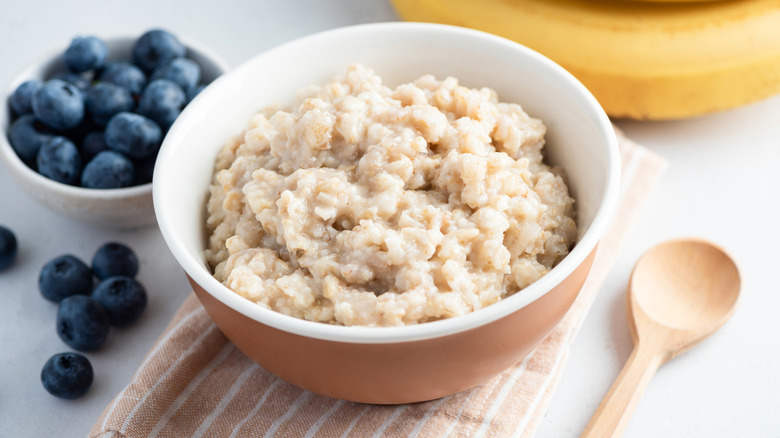
If you're bored with oatmeal but feeling overwhelmed by how much fiber you're supposed to be eating every day (25 to 38 grams, according to Harvard Health), you can relax. There are plenty of other foods that have more fiber per typical serving size. One cup of cooked instant oatmeal and cooked rolled oats contains about 4 grams of fiber. Steel-cut oats, which are cut into finer pieces than these varieties, contain slightly more of the nutrient per cup (around 5 grams). For the purposes of this nutritional comparison, quick and rolled oats will be the benchmark used to compare other high-fiber foods. In cases of legumes or grains, the fiber count is also given for the product in a cooked state rather than dry, so you don't have to worry about conversions.
This list of oatmeal-besting fiber-rich foods is not exhaustive, but it is diverse. If it's sweetness you're looking for, certain fruits can do the job. If you're in the opposite frame of mind and are interested in a more savory approach, a plethora of legumes, veggies, and grains awaits you. There's even one mighty little seed that outdoes itself in terms of fiber per serving size. And since oatmeal isn't restricted to breakfast-hours only (nor is your fiber intake), we're presenting foods that can be enjoyed anytime.
Avocados
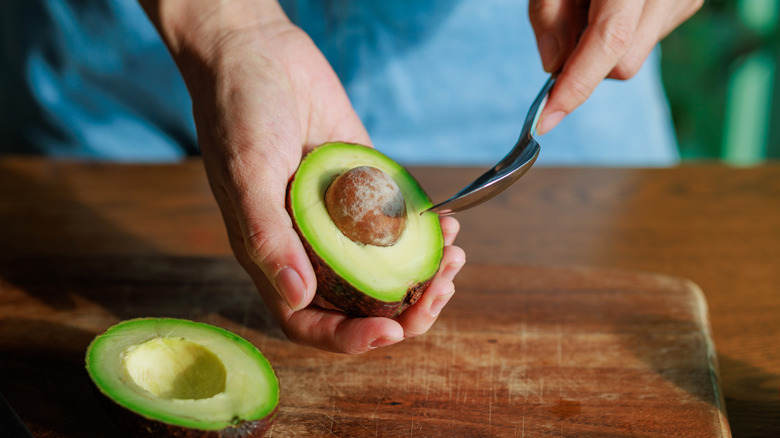
Though it may seem incredible for a fruit so soft it barely requires chewing, one 7-ounce avocado — a standard medium — contains 14 grams of fiber. Consume it all on two slices of toast or in a breakfast smoothie, or eat the two halves at separate meals if you feel a whole avocado plus high-fiber bread would be too much fiber at once.
Chia seeds
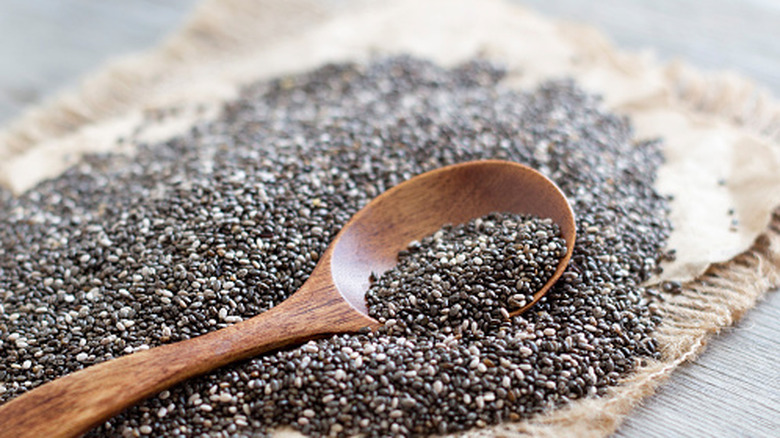
Chia seeds are a superstar for the fiber-hungry foodie. About 2 tablespoons provide a whopping 10 grams of fiber. Combine them with milk or plant milk (about ¼ cup per tablespoon of seeds) to create a "pudding" that you can elevate with berries, nuts, or other ingredients. Pro tip: Once you pour your milk and give it a stir, wait about five minutes before stirring once more to de-clump; then let it gel in the fridge.
Raspberries and blackberries
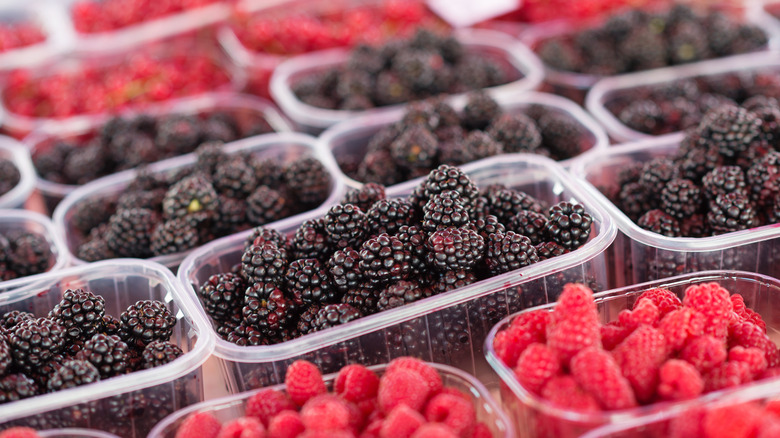
Tart, sweet raspberries and blackberries provide 8 grams of fiber per cup, making them a fantastic, readily available food to shore up your fiber intake in lieu of oatmeal. Stir them into Greek yogurt to get a complementary heap of protein, or mix them into a spring mix or arugula salad. Alternatively, fiber-up your dessert by making a gorgeous berry tart.
Durian
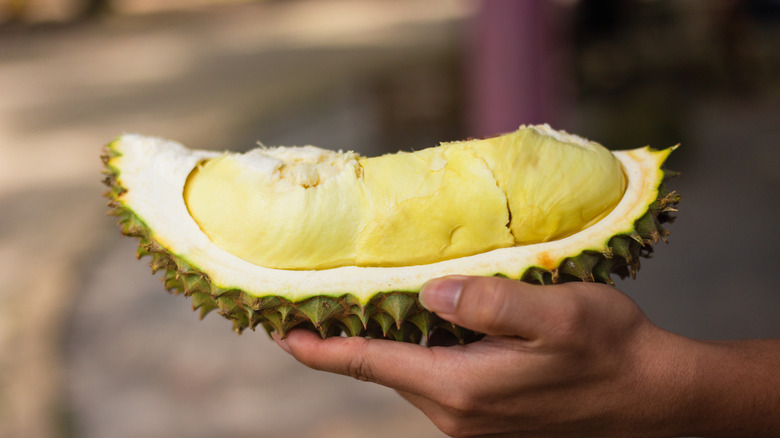
If a visit to your local Asian market reveals frozen packages of what looks like firm, butter-yellow custards, it's time to learn how to eat durian. Durian, a Southeast Asian fruit with a contentious aroma and banana-pudding-meets-sweet-onion flavor, contains 9 grams of fiber per 1 cup. It also offers 360 calories, 4 grams of protein, and is incredibly nutrient-rich in other ways, too. Try it plain or in ice cream, cakes, or puddings.
Coconut flour
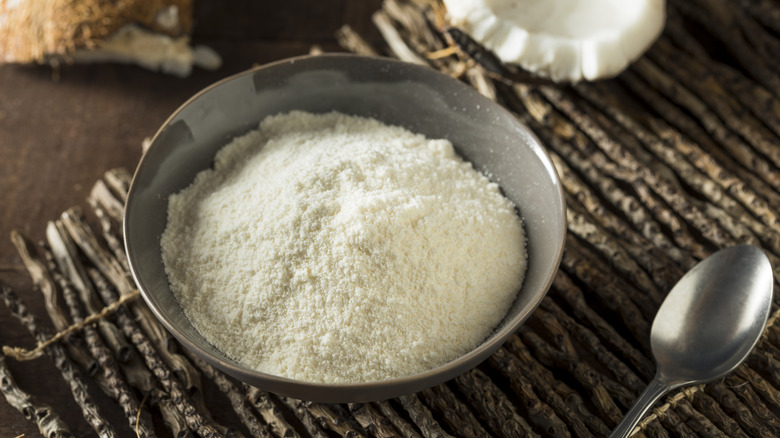
Compared with the nutritional profile of regular wheat flour, coconut flour has a lot going for it. It contains more protein, iron, and, yes — fiber, with ¼ cup offering 10 grams. That quarter-cup is all you need to make about five 4-inch pancakes. Be aware that coconut flour's high fiber content makes it behave differently than wheat flour, so don't modify the recipes for coconut flour muffins or brownies until you know its quirks.
Lentils
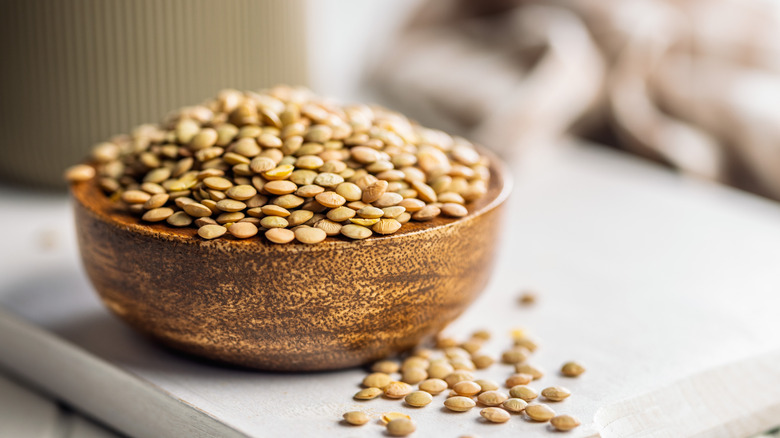
These pulses pack a punch of fiber, containing 16 grams per 1 cup. Keep things simple by just cooking lentils up as a side dish with simple seasonings, or go for a flavorful lentil soup with warming spices, finished with a squeeze of lemon to give it a fresh, bright burst. They even work in a cheesy casserole.
Black beans
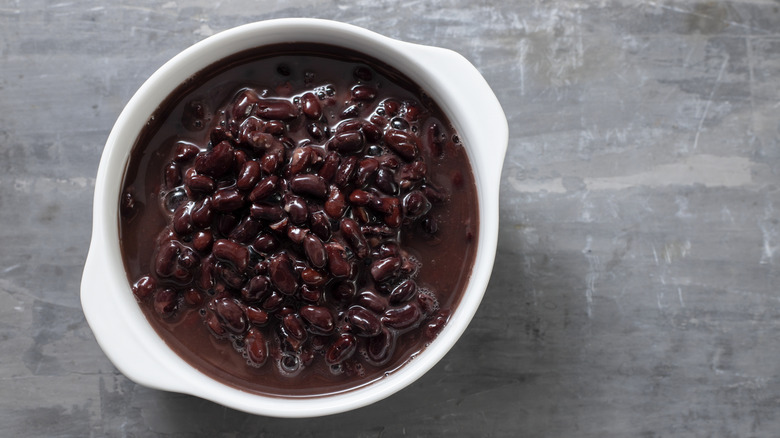
You may have always heard that beans contain fiber, but just how much fiber might be a bit of a surprise. Along with their pleasing chew and earthy, semi-sweet flavor, 1 cup of black beans provides 16 grams of fiber, making that black bean soup or serving of black bean tacos a smart choice for hitting your fiber needs.
Cannellini beans
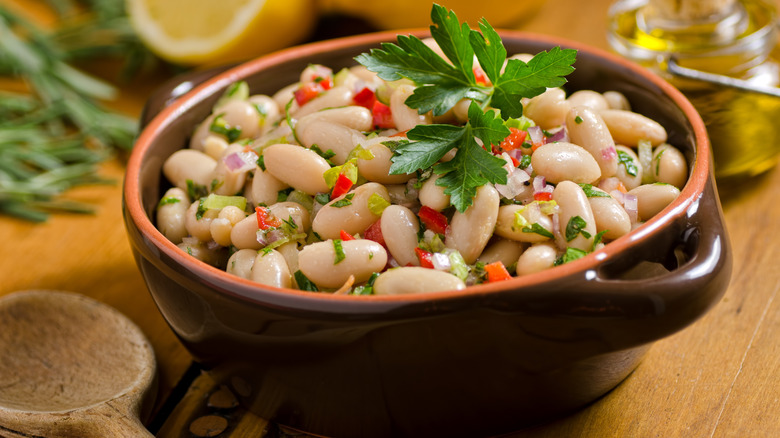
Cannellini beans, aka white kidney beans, give you 13 grams of fiber per cup – not quite as much as lentils or black beans, but still a respectable amount. Their mildly nutty flavor shines in stews, soups or in salads. You could also mash them up and serve with tomatoes, feta, garlic, and arugula on toast.
Green peas
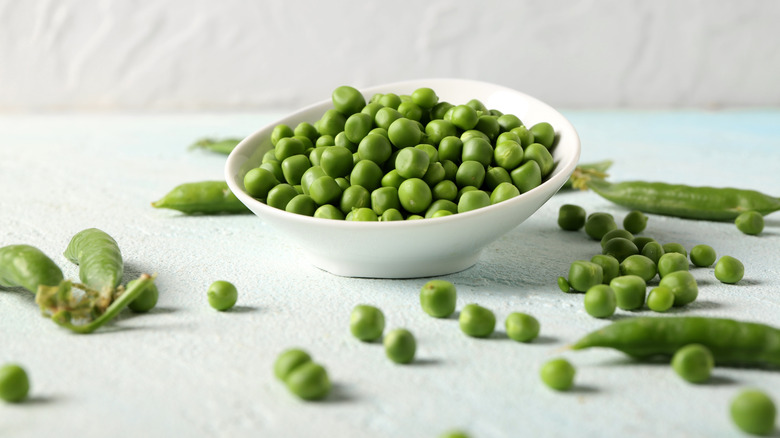
If you never minded being told to finish your peas as a child, you'll be glad to know that 1 cup of them offers 9 grams of fiber. With their sweet, earthy flavor and endless versatility, they're a high-fiber food that complements any diet. Include them in fried rice, shepherd's or pot pies, or even as a basic side with butter and garlic, and reap the benefits.
Farro
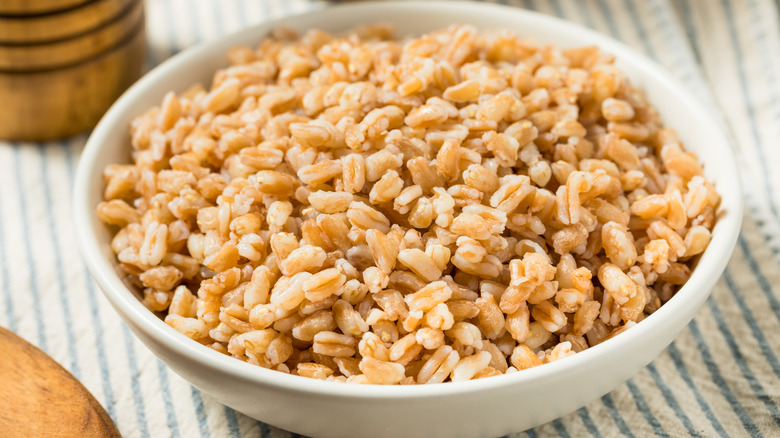
Farro is an ancient grain with a delightful, "bouncy" chew and a nutty flavor. The pearled version (with bran removed) provides 5 grams of fiber per cup, while whole farro contains 8 grams per cup. Farro with a little olive oil and salt is an excellent basic side dish, but it also makes an outstanding pilaf, fried "rice," or salad ingredient.
Turnip greens
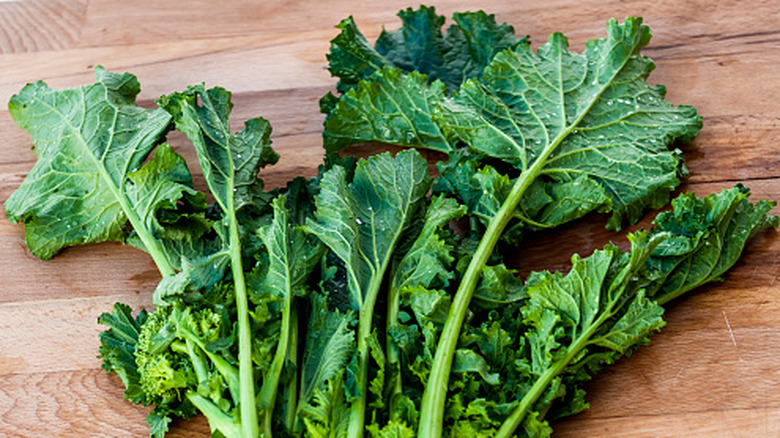
Greens at last make an appearance on this list of fiber-rich foods for the oatmealed-out. Turnip greens, the top leaves of the turnip plant, offer a solid 5 grams of fiber per cup. They're too tough when raw, so use these peppery-flavored greens as you would cooked kale, or swap them in for collard greens in a Southern-style take with bacon and a splash of vinegar.
Broccoli (chopped)
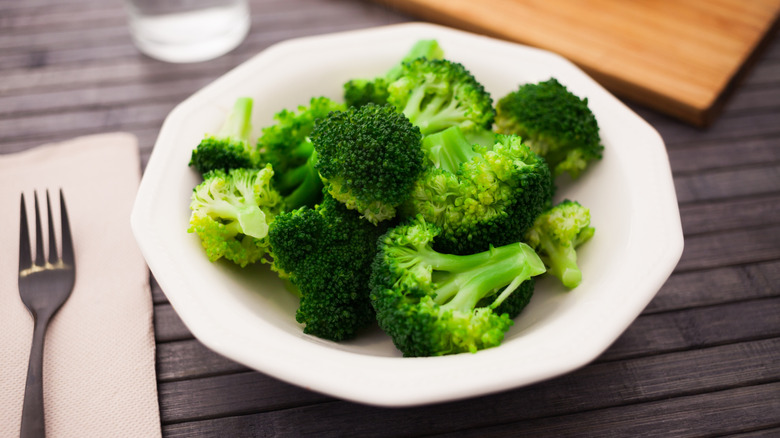
Good old-fashioned broccoli is a great source of fiber, with 1 cup (boiled and chopped) of the cruciferous vegetable providing 5 grams. If broccoli makes you gassy while other items on this list do not, it's possibly from the raffinose, a type of carb. Boiling should make the broc easier to digest. Although this method can lower the veggie's vitamin content, especially if overdone, the fiber will stay intact.
Pearled barley
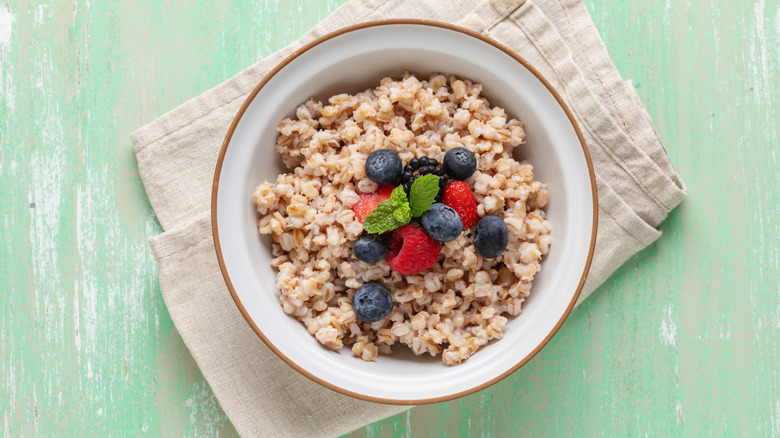
In the case of barley, the pearled version of the grain with the bran and husk removed is still a hard-hitter when it comes to fiber, and you don't even have to soak it overnight first. There are 6 grams in 1 cup, making this an excellent grain to use in place of lower-fiber brown rice or the harder-to-find farro. Use it like either of these, or even like oatmeal.
Whole wheat spaghetti
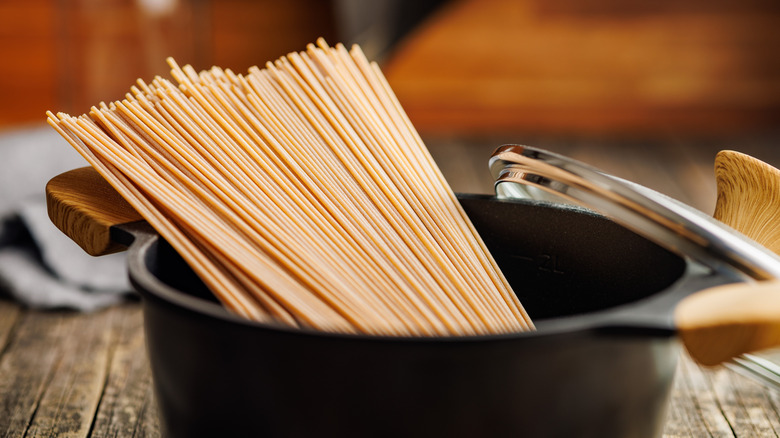
Fiber-seeking pasta fans can rejoice. You won't find much fiber in standard white pasta, but a cup of cooked whole wheat spaghetti offers 6 grams in one cup. Its slightly earthier, nuttier flavor can grow on you quickly — if, that is, you detect a difference at all once it's dressed in tomato sauce, Parmesan, and seasonings. It only takes one or two extra minutes of boiling, too.
Quinoa
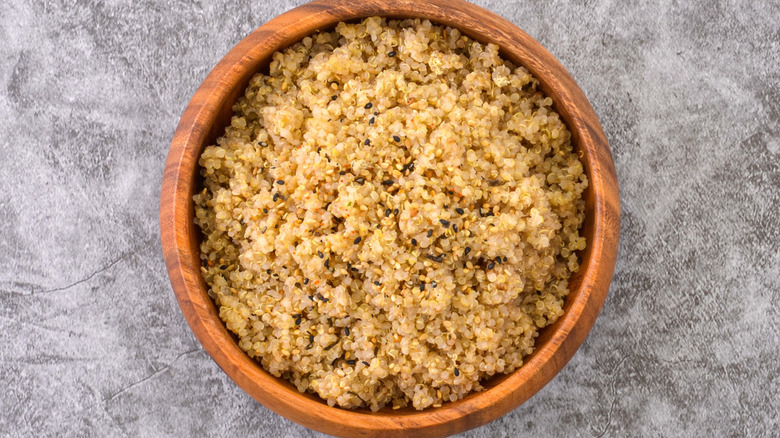
Not only is quinoa a plant-based complete protein with all nine essential amino acids, it's a good source of fiber at 5 grams per cup. As with other high-fiber grains, swap it in for rice, or try it in salads and soups. You can also take a sweeter approach and treat it like oatmeal, adding nuts and fruits, along with honey, agave, or maple syrup for extra sweetness.