

What Walmart Does With Expired Foods (It's Probably Not What You'd Guess)
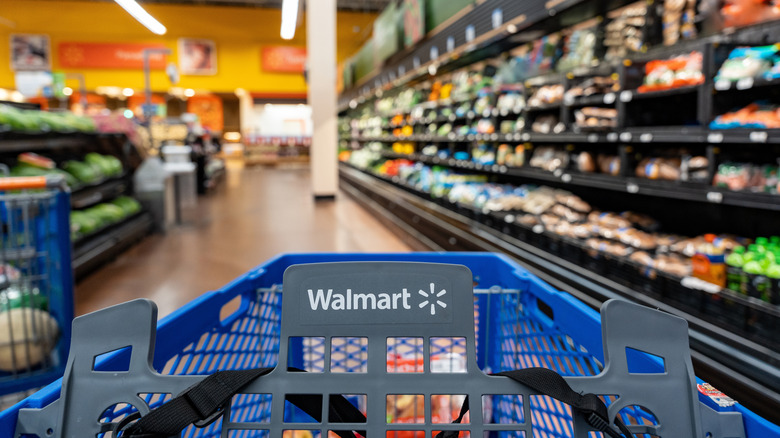
Food waste is a huge issue that has only recently garnered serious attention. Grocery stores produced 4.7 million tons of food waste in 2022, according to data from Gitnux. Shoppers typically only want to buy the nicest looking, freshest food that grocery stores have available, a preference that inevitably leads to some food staying on the shelf too long and going bad, even with efforts to sell "ugly" produce. While many stores offer discounts on older food, much of it still ends up in the garbage. It doesn't all end up in landfills, however. Walmart redirects a substantial portion of its food waste towards compost.
Walmart has been making strides toward reducing waste for a decade now, including changing how items are packaged. By 2025, it had cut waste by 12%, and the goal is 50% by the year 2030. One of the key factors getting this done is composting. Many Walmart locations have an on-site garden center. By converting wasted food into compost, Walmart is able to supply its own garden centers, now at 600 locations.
Only expired items from within the store are eligible for composting, however. Walmart, like most stores, can't handle returned food items the same way. When food is brought back to the store, it must be trashed. According to employees on Reddit, it can't be resold or donated. If the composting program is not set up at a store yet, all food waste may still end up in the trash.
Make the most of compost
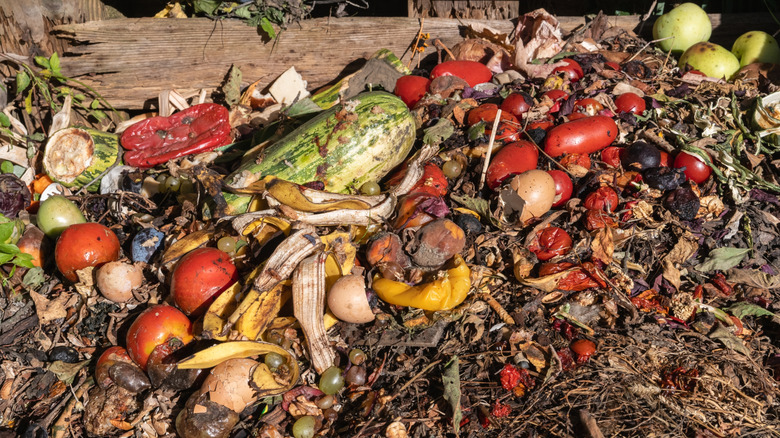
Food waste from 1,400 Walmart and Sam's Club locations has been collected by an organic food recycling company and turned into one-cubic-foot bags of compost starting in 2024. Walmart sells them for less than $7 each, and they are highly rated on the store's website. The company, Denali, partners with many businesses, not just Walmart, so the compost comes from a wide range of sources. Denali is also able to separate food from the packaging, making it easier for stores like Walmart to redirect its waste.
Walmart currently operates nearly 5,000 stores across the country, so this composting effort only represents a fraction of what it could be right now. Since the countrywide chain plans to reduce waste considerably by 2030, the efforts will continue over the next few years if all goes as expected. If you're inspired by this decision to reduce waste and create something useful with the byproduct, don't forget, you can also reduce your own trash the same way by composting at home.