

Fan Of Wild Blueberries? Why 2026 Might Be An Unlucky Year For You

Wild blueberries are a treasure. With twice the amount of antioxidants and a third more fiber and anthocyanins than regular blueberries, the wild variety is generally smaller but sweeter than standard ones. Wild blueberries are also referred to as "lowbush" blueberries and are native to North America and are difficult to cultivate, while conventional blueberries are known as "highbush" blueberries and are more easily cultivated and farmed. The state of Maine is famous for its abundance of wild blueberries, but environmental factors in Maine have negatively impacted wild blueberries, making them one of the grocery store items that might be more difficult to find in 2026.
Located at the northeastern edge of the United States, Maine is no stranger to severe weather, especially during the winter months. But the summer of 2025 was one of Maine's driest summers on record in the past 30 years. According to the U.S. Drought Monitor, as of early March 2026, the majority of the state is experiencing either a moderate or severe drought, with one small coastal area spanning York and Cumberland counties labeled as extreme drought. In severe drought conditions, the overall yield and size of produce of specialty crops are negatively impacted, so it's no surprise that wild blueberry growth was impacted in 2025. Maine's continuing drought will likely have an effect on 2026 wild blueberry harvests as well, driving up prices and leading to a smaller overall supply of the small, prized berries.
Wild blueberries are another victim of continued climate change
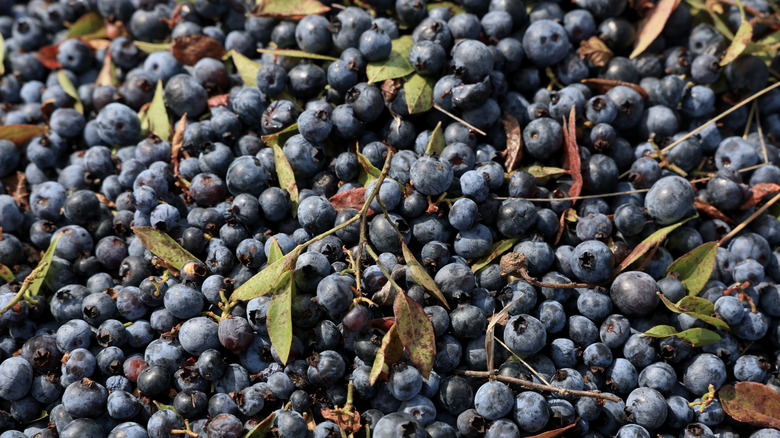
While Mainers are blessed with local access to these special fruits, as Maine produces the largest amount of blueberries worldwide, about 98% of United States-grown wild blueberries are flash frozen when fresh and transported nationwide as well as internationally. Given the state's enormous contribution of blueberries to the global market, Maine's persistent drought is wreaking havoc on wild blueberry crops and supply. Don't think that wild and farmed blueberries can be replacements of each other, as wild blueberries are rarer.
Climate change is already affecting the U.S. food supply, and continues to do so. Historically, the region has been used to plentiful rainfall, but Maine's drought is expected to continue in 2026, continuing to affect growth and future harvesting of the precious wild blueberries. Both the extreme heat and lack of water keep the flowers on wild blueberry plants from budding, which is an essential step that signifies the plant's upcoming fruit yield and determines the size of that season's crops. The fewer flowers that bud mean fewer overall wild blueberries to harvest, leading to scarcity in the marketplace and higher prices.