

10 Venezuelan Dishes You Need To Try At Least Once
We may receive a commission on purchases made from links.
Venezuelan cuisine is a vibrant melting pot of its cultural influences, where Indigenous roots, African heritage, and Spanish flavors come together to create rich, satisfying dishes packed with character. Venezuela's food scene shares many similarities with those from other Latin American countries, but focuses more on building layers of sweet, savory, and tangy depth rather than turning up the heat with bold spices. Corn is a versatile staple here, used as the base of countless traditional dishes. Tender slow-cooked meats and flavor-packed sauces also feature heavily, and these are often paired with hearty plant-based ingredients like black beans, cassava, and plantains.
To gain a deeper understanding of Venezuela's diverse culinary offerings, we turned to two food experts who know the cuisine best. The first is Rachel Angulo, co-owner of La Cocinita, a Venezuelan food truck and restaurant business that operates across Chicago and New Orleans. With a clear passion for this country's rich food culture, Angulo describes Venezuelan cooking as "comfort food at its finest" and speaks of how "the unique flavors and textures leave you craving more." We also interviewed Diego Fernando Sanchez Vargas, a culinary director at Latin American restaurant group Amazónico. He's highlighted the impressive diversity of Venezuelan cuisine, shaped by the wide variety of ingredients available across the country's coastal, mountainous, and rainforest regions.
If Venezuelan food is new to you, you're in the right place, because we're about to explore 10 iconic dishes that showcase the country's culinary creativity, with some expert insights along the way. Offering everything from crispy street snacks and cozy home-cooked stews to creamy desserts, this colorful cuisine really is a must-try for any adventurous foodie.
Arepas
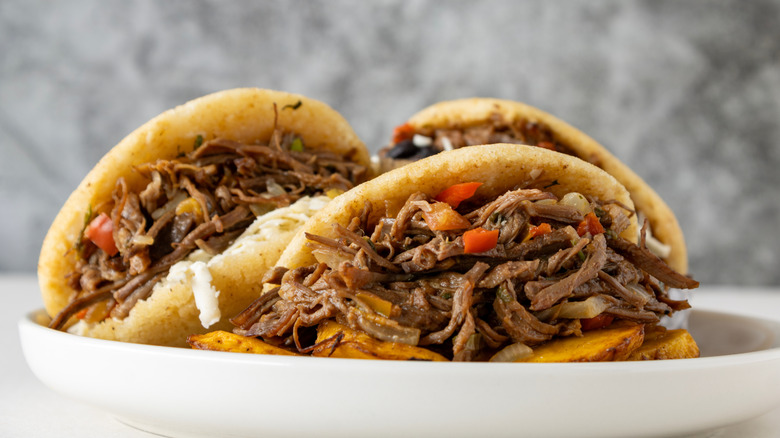
Exceptionally versatile and perfect for stuffing with savory goodies, arepas are an ideal introduction to Venezuelan cuisine. Making the patties is wonderfully easy. They begin with a simple dough of cornmeal (aka masa), water, salt, and oil, which is shaped into rounds. The arepas are then cooked on the griddle, and often finished off in the oven, before being served plain or folded and filled.
Arepas are a firm favorite for Rachel Angulo from La Cocinita, who describes them as "warm and doughy on the inside and crispy on the outside." Her go-to recipe sees the patties stuffed with beef brisket, plantains, black beans, queso fresco, and crema. However, there are countless other ways to serve them, with pork, cheese, chicken, and avocado all being popular additions.
There are many other variants of the arepa found across South American cuisine, such as the Mexican-style gordita and the El Salvadorian pupusa (both also stuffed, corn-based breads). According to Angulo, a distinguishing feature of a true Venezuelan arepa is the use of a particular brand of cornmeal called Harina P.A.N., which gives the patties their signature fluffy-crisp texture. Arepas also come with the added bonus of being naturally gluten-free, so they serve as an excellent alternative for those who can't eat wheat-based flour tortillas and flatbreads.
Pabellón criollo
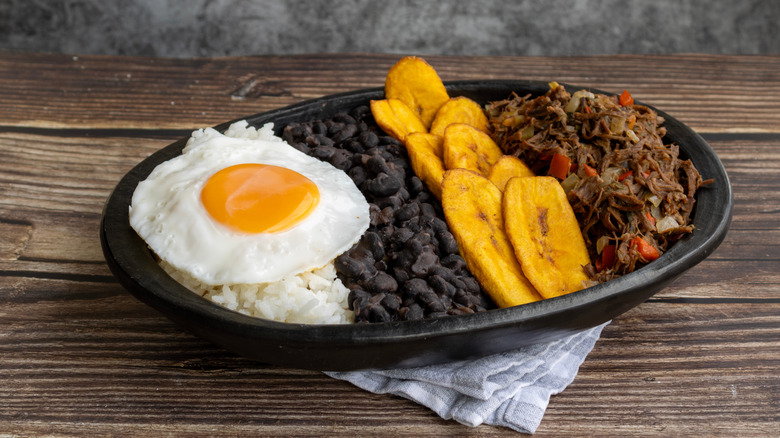
Pabellón criollo is Venezuela's national dish, and its hearty appeal is clear to see. This satisfying plate has three key elements — spicy, creamy black beans, succulent shredded beef cooked with tomatoes and aromatics, and fluffy white rice. Pabellón criollo typically comes served with sides like fried plantains and sliced avocado, and tastes even more fantastic topped with a sunny-side-up fried egg. The resulting dish yields a moreish blend of savory, earthy, and sweet flavors, which perfectly demonstrates Venezuela's comforting, well-balanced approach to cooking.
The Spanish word pabellón translates to "flag", and the dish is traditionally plated with the three components arranged side by side, thus representing the three stripes of the Venezuelan flag. It's also seen as a reflection of country's rich cultural heritage, serving as a nod to Venezuela's Indigenous, African, and European roots.
Enjoyed for lunch or dinner, pabellón criollo is commonplace at large family gatherings and celebrations. The dish is well-suited to preparing in a large batch, with the meat easily cooked and shredded ahead of time. And you can absolutely reach for canned beans to keep things quick and convenient. Adding a few arepas to your plate is also highly recommended, as the doughy patties are great for scooping up every last morsel of the rich, savory beans and beef.
Cachapas
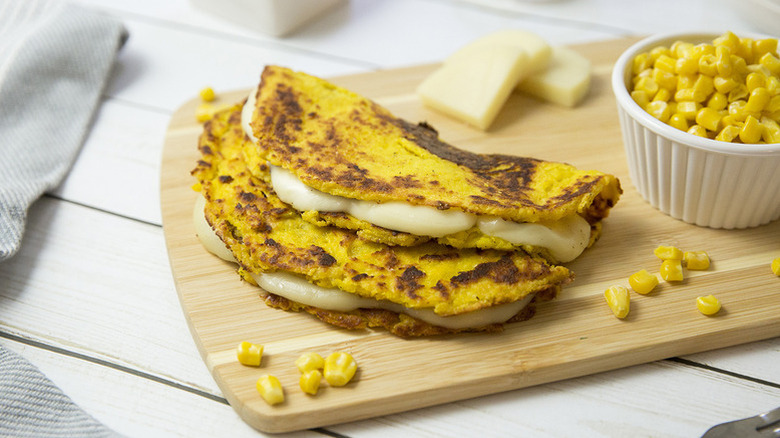
Another tempting Venezuelan dish that makes corn the star is cachapas. These soft, golden pancakes can be stuffed with an array of rich fillings, but they're most famously paired with melty queso de mano. According to Amazónico's Diego Fernando Sanchez Vargas, "What makes them special is their natural sweetness and the contrast between the warm corn pancake and the fresh cheese." He also notes that "cachapas are one of the most loved home food dishes in Venezuela," and as a personal favorite, they bring back fond memories of his mother's cooking.
Making cachapas consists of first preparing a smooth batter by blitzing up corn kernels, egg, milk, cornmeal, salt, and sugar in a blender, then frying ladlefuls of the mixture in a skillet or on the griddle. The technique is much like that used for French crepes, though cachapas are a little thicker and crispier. The sliced or grated cheese is layered onto the pancake before it's folded in half and cooked a little longer to get that all-important melty finish. And of course, other fillings like shredded meats, veggies, and beans can be piled in at this point, too.
Cachapas are commonplace at restaurants and street food stalls across Venezuela, where they're cooked to order on large griddles. The pancakes are often served alongside homemade fruit juices, which provide a wonderfully refreshing contrast to the richness of the savory fillings, all while enhancing that sweet, corn-forward flavor.
Tequeños
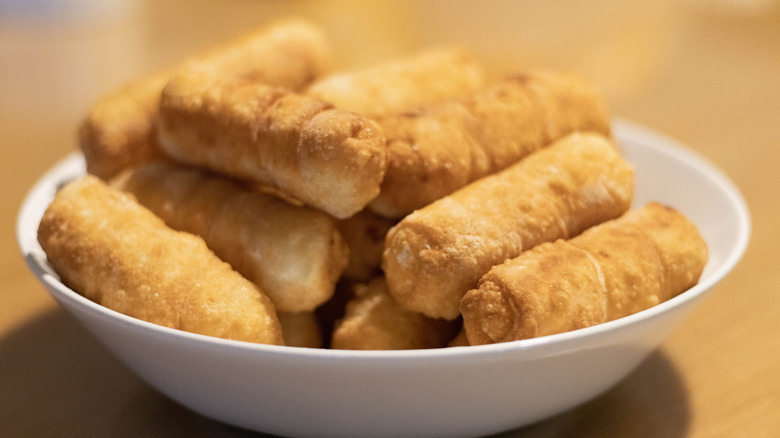
If you're a fan of mozzarella sticks or halloumi fries, you'll love Venezuela's take on crispy, deep-fried cheese. Tequeños are made with semi-hard white cheese, such as queso de freir or queso blanco, which is sliced into long sticks and wrapped in dough. Then, the cheesy parcels are fried in hot oil until golden and crisp all over, giving them an irresistible bite and richness.
The firm cheese used to make tequeños has a high melting point, so it won't lose its shape during cooking. Instead, the cheese softens just a little, maintaining a satisfying spongy texture that contrasts the crunchy exterior beautifully.
These savory treats are a popular snack or appetizer in Venezuela, and serving them with a complementary dipping sauce is an excellent approach. A garlicky bell pepper, avocado, and herb sauce called guasacaca is a top pick for enhancing the salty cheese and buttery pastry. Or, for a simpler accompaniment, mix together ketchup and mayo to create a classic salsa rosada.
Asado negro
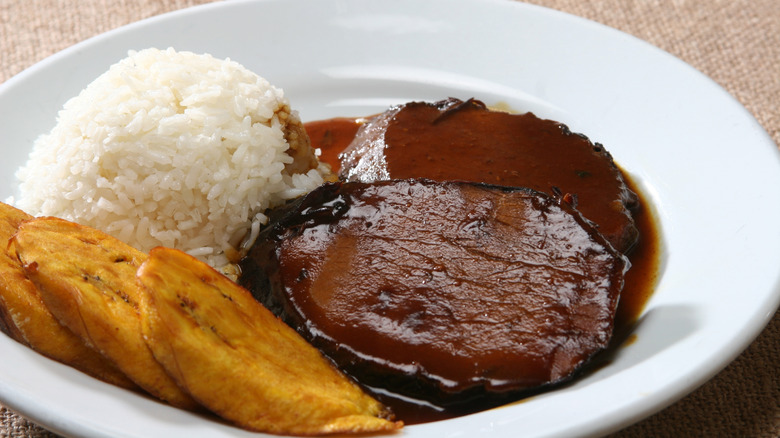
One of Venezuela's heartiest offerings is asado negro — a rich, deeply savory beef dish, which sees round roast braised in a flavor-packed, wine-infused broth. Searing the marinated meat gives it a gorgeous, caramelized crust, while the slow-cooking method that follows ensures a tender, melt-in-the-mouth interior.
The braising liquid typically combines umami-rich ingredients like soy sauce and Worcestershire sauce with red, white, or marsala wine, sliced vegetables such as onions, carrots, and bell peppers, and a medley of herbs and spices (think oregano, cumin, rosemary, and black pepper). A type of unrefined cane sugar called papelón is another key ingredient, bringing a touch of sweetness to the otherwise deeply savory broth.
Once browned and slow-cooked until fall-apart tender, the beef is then sliced into thick rounds, before the braising liquid is popped back over the heat and reduced down to a thick, glossy gravy. The meat and sauce can then be reunited atop a bed of creamy mashed potatoes or fluffy rice. Asado negro is widely enjoyed during the festive season in Venezuela, particularly in the country's capital of Caracas. You'll often find the dish served with sides like crusty bread, fried plantains, or a crisp green salad.
Empanadas
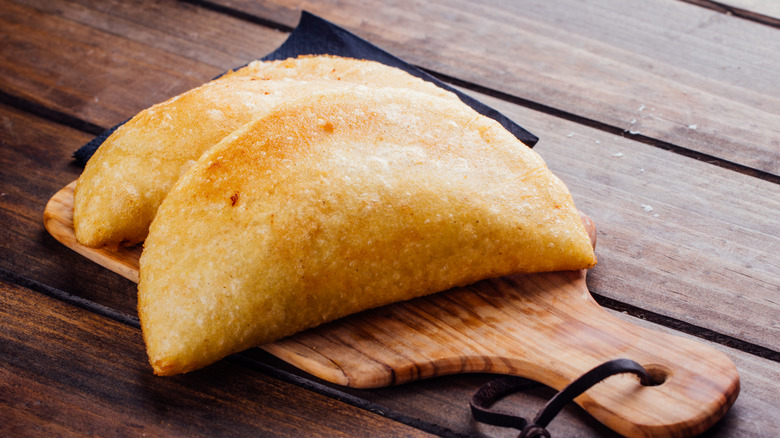
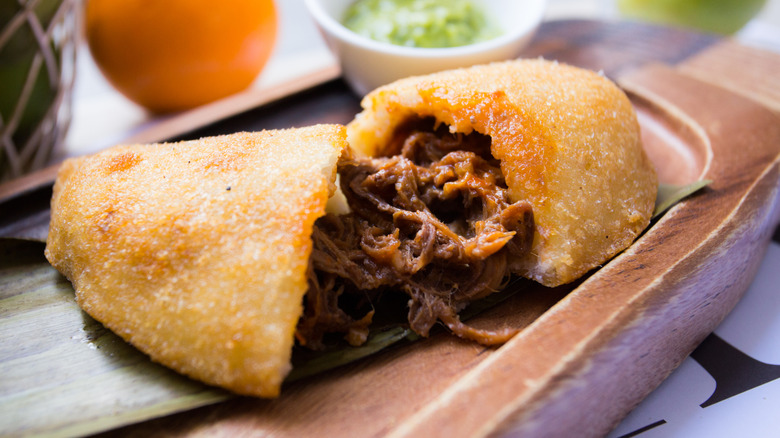
You're likely already familiar with this beloved Latin American staple, but the Venezuelan take on empanadas brings its own distinct twist. Rachel Angulo describes Venezuelan-style empanadas as "the crispy cornmeal (and naturally gluten-free) version of the Chilean or Argentinian hand pies that we all know and love." Unlike many other varieties that call for a wheat flour-based dough, Venezuelan empanadas are made with the same dough used for arepas — a simple mixture of cornmeal, water, salt, and oil. Angulo explains that this is rolled out, cut into circles, and stuffed with various fillings, before it's then folded and sealed.
Savory fillings are the go-to choice for Venezuelan empanadas. Popular fillings include black beans, shredded beef or chicken, fried plantains, and queso blanco, and there are regional varieties to explore, too, such as those filled with Cazón (aka shark meat). The cooking method is also important here. Instead of being oven-baked like many other varieties, Venezuelan empanadas are deep-fried. This gives them an irresistibly crispy finish, with the golden cornmeal shell providing a delicious contrast to the tender fillings within, and making each bite feel that bit more indulgent.
Quesillo
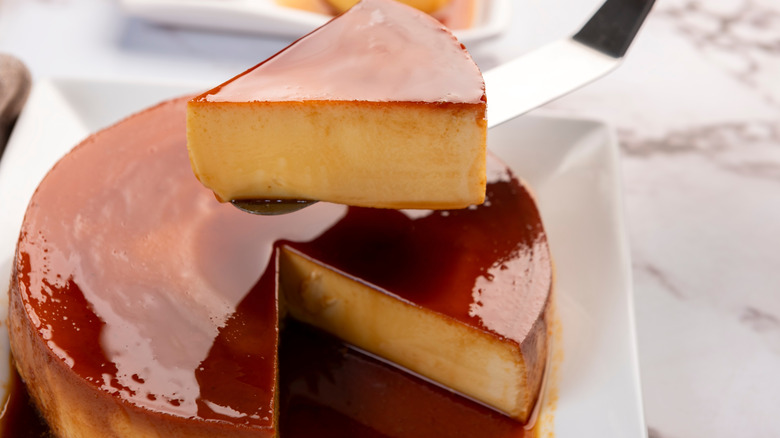
While Venezuelans certainly know a thing or two about crafting flavor-packed, savory dishes, desserts play an equally important role in the country's culinary landscape. One standout dish is quesillo. This rich, creamy flan can be likened to a traditional Spanish flan or French creme caramel. The Venezuelan version, however, boasts a lighter, airier texture, distinguished by the appearance of tiny holes reminiscent of Swiss cheese. Hence, the name quesillo translates to "little cheese". Quesillo is a favorite at birthday parties in Venezuela, where it's often served alongside other treats like Jell-O, cakes, and ice cream.
The flan begins with a layer of glossy, amber-hued caramel, that's swirled into the bottom of a round cake pan. The custard mixture consists of eggs, condensed milk, vanilla extract, and milk or heavy cream. This is sometimes spiked with a good glug of rum, too. Once mixed up and poured over the caramel in the pan, the quesillo is baked slowly in a water bath until set, and it requires chilling before it's ready to enjoy.
To unmold the dessert, the pan is briefly submerged in warm water, before the flan is flipped upside-down onto a plate. The now slightly melted caramel will then drizzle rather pleasingly down the sides, coating each slice in a layer of sticky sweetness.
Patacones
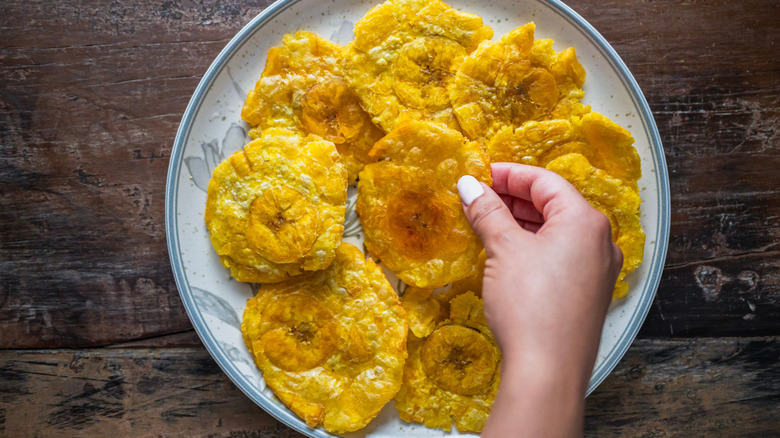
In Venezuelan cooking, plantains are used in both their ripe (yellow) and unripe (green) forms, and each delivers a different flavor and texture. While ripe versions are far more sweet and tender, green plantains offer a potato-like, savory taste and a firmer bite, and both varieties are ideal for frying.
Patacones are one of the most popular ways to enjoy these flavorful fruits. Diego Fernando Sanchez Vargas explains that "patacones are made from green plantains that are fried, smashed, and fried again until crispy." The resulting golden rounds are often served alongside meats, cheeses, and sauces, but Vargas adds that these crispy snacks make an excellent base for crafting a sandwich, being sturdy enough to house an assortment of savory fillings.
Tajadas are another beloved form of fried plantains in Venezuela, but these make use of the sweeter, ripe fruits. When sliced and fried, these become soft and caramelized, creating a versatile side dish that can be served with anything from beef, chicken, or fish to beans or cheese. They're also a go-to pairing for the country's aforementioned national dish, pabellón criollo.
Mondongo
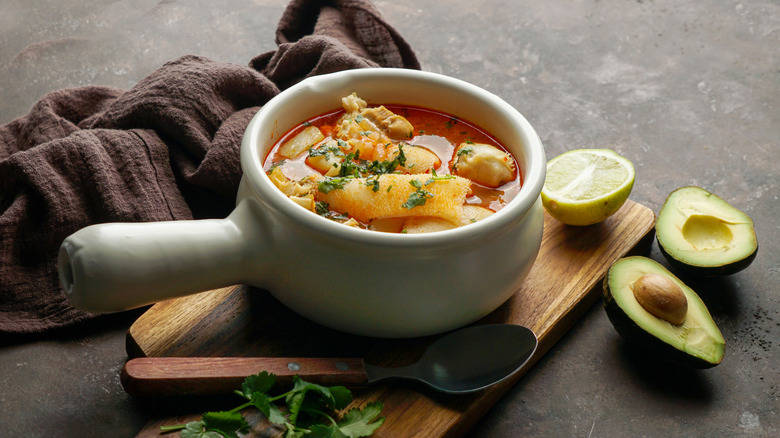
Tripe may be an acquired taste, but the traditional Venezuelan mondongo soup simply wouldn't be complete without it. Deeply savory and gloriously rustic, mondongo blends nutritious veggies with fragrant herbs and spices, plus the tender tripe slices, to create a rich, complex broth.
There are many variants on this classic soup, with some recipes crafting a tomato-based broth and leaning into the warmth of bold spices like cumin and paprika, and others taking a lighter, herbier approach with chicken broth and fresh cilantro. The choice of veggies is very much open to customization, but popular picks include carrots, onions, potatoes, cassava, and corn. The tripe (or cow stomach) must be thoroughly cleaned and boiled before it's added to the soup. This mellows the naturally sour taste and aroma of the organ meat into something more mild and liver-like, and removes some of its chewiness. The tripe is left with a tender, sponge-like texture that's perfect for soaking up the flavors of the broth.
Mondongo is traditionally served with crusty bread or arepas, which are ideal for mopping up every last drop of the comforting soup. Fresh garnishes also work beautifully here. Think sliced avocado, lime wedges, and chopped herbs.
Hallacas
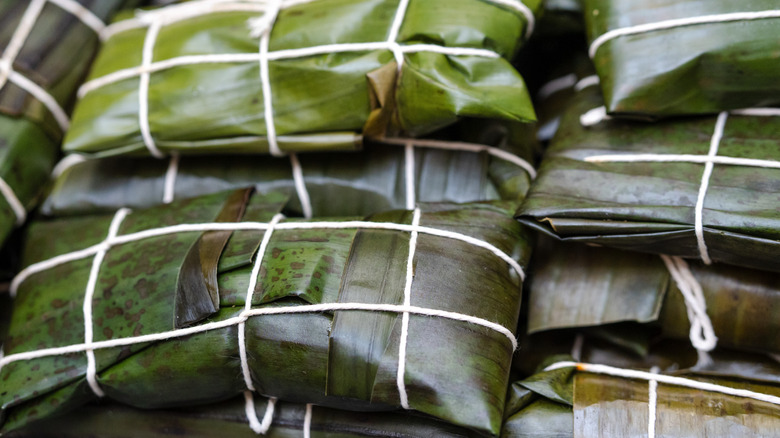
Hallacas are a cherished dish in Venezuela, and while they're enjoyed year-round in the country, these warm, savory parcels take center stage during the festive season. Similar to tamales, hallacas feature a soft corn-based dough that's wrapped around a richly spiced meat and veggie filling, and then steamed inside plantain or banana leaves (rather than corn husks). As the parcels cook, the dough absorbs the delicious flavors of the filling, and everything becomes gloriously tender. When they're ready to enjoy, you simply discard the outer leaves, and serve the corn-wrapped filling warm, perhaps with a generous swipe of butter or sprinkling of cheese.
Explaining the key role that hallacas play in Venezuelan holiday celebrations, Diego Fernando Sanchez Vargas states that preparation of the dish "is usually a family activity and an important cultural tradition." Vargas also tells us that hallacas are such a hit in his family that his mother frequently makes them outside of Christmastime, too, confirming that "any moment is good for hallacas."