

Here's Why Frozen Vegetables Cost So Much Less Than Fresh (And There's An Added Bonus)
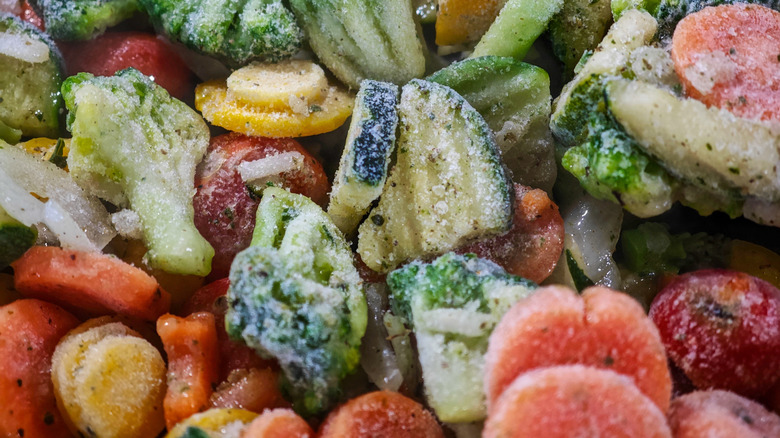
If you are trying to save money on produce, the frozen food aisle is always appealing. But you might have some understandable concerns as to why exactly frozen vegetables are so much cheaper than fresh. Beyond the longstanding preference for thinking "fresh" automatically means better, there is an inherent suspicion applied to budget ingredients. Surely if something is cheaper, it must be lower quality or highly processed. But that kind of thinking might be causing you to miss out on big savings, because the low price of frozen vegetables has less to do with quality than the supply chain.
Fresh vegetables can spoil and lose their quality quickly, which means they need to be picked, processed, and sent to stores with fast turnaround times. That means higher costs for things like labor and shipping. It's also a big part of why fresh vegetables are so expensive: waste. Food waste isn't just an issue for consumers at home; it also drives up what you pay at the store. If a company is selling perishable produce, it's simply a given that some food will go bad while waiting to be shipped out or sitting on the shelf. As such, the cost of what does get sold has to be high enough to cover what was lost. Frozen produce doesn't have those issues. Since it has a much longer shelf life, there's far less waste in the supply chains, and this lowers the prices at the register.
Frozen vegetables produce less waste and can also be higher in nutrients
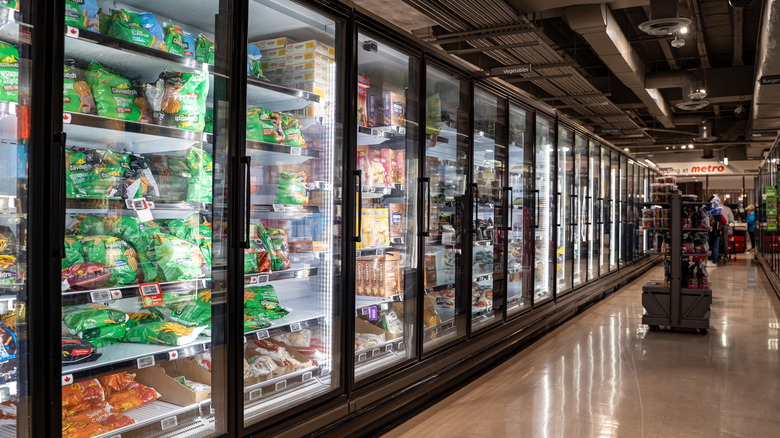
Frozen vegetables' longer shelf life has other benefits that also help bring down the price. Because they can stay in storage, frozen vegetables make supply lines much more predictable. Disruptions like basic shipping delays or even natural disasters aren't major issues, because frozen products won't go bad. This makes supply chains more dependable and resilient, so sellers don't need to increase prices to account for unexpected risks. It also means that highly seasonal vegetables can be available year-round at the same level of quality, with no need to rush shipments around the world.
Of course, price doesn't always matter if what you're getting is lower quality, but frozen produce has the advantage of being just as healthy as fresh – and sometimes it's even more healthy. Frozen vegetables and fruit are frozen at their peak ripeness, which preserves their nutrients at high levels. There is some nutrient loss from the freezing process, and frozen vegetables are often blanched before being frozen, which can also sap them of some vitamins and minerals.
However, fresh vegetables also lose nutrients as they sit in storage or on the shelf. And by the time they get home with you, they often have fewer nutrients than frozen vegetables do. On top of this, because frozen vegetables are picked when they are more ripe, they are also starting out with more nutrients to begin with. So if you want to save some real money on your groceries, it's time to stop selling frozen vegetables short and embrace what they can do for your budget.