

What Happens To Your Body When You Eat Red Meat Every Day
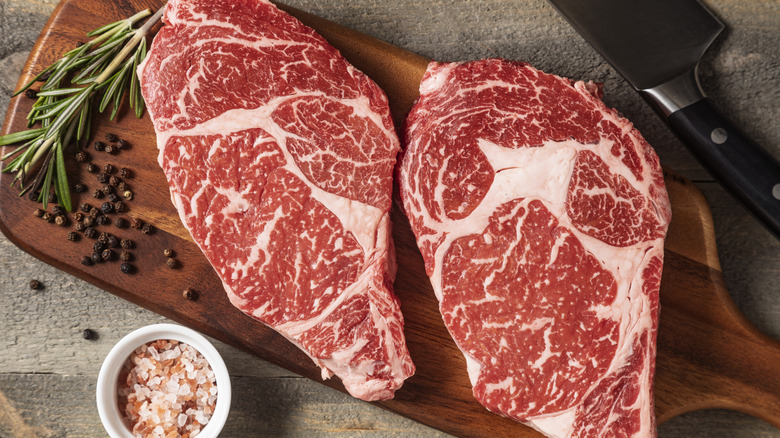
New nutritional guidelines and dietary trends are gaining more traction in the media these days, emphasizing either adding red meat to your diet or increasing consumption. This is chiefly being encouraged by the U.S. Department of Agriculture (USDA), which promotes the consumption of more "real food," prioritizing protein as a part of every meal (specifically red meat). But have you ever wondered what will happen if you eat red meat every day?
Tasting Table spoke to Kathleen Benson, certified registered dietitian at VNutrition, about what happens to a person's body if they eat red meat daily. "Red meat can definitely fit into a balanced diet," she says. "It is rich in iron, vitamin B12, zinc, and high-quality protein that supports energy levels, metabolism, and muscle growth. Despite these health benefits, however, overconsumption is possible. "Where we see more concern is when intake is higher over time," Benson adds, "especially with processed red meat, and especially when fiber intake is low."
A high intake of red meat and processed meats, more than two or three times per week, has been linked in multiple studies to serious health concerns including heart disease, diabetes, cancer, and even dementia, according to Harvard Health. Like Benson, Harvard recommends moderation and balance. While red meat is high in protein (almost 35 grams per 100-gram serving), the average 174-gram chicken breast offers about 44 grams. You can easily get as much protein from other sources without overdoing red meat.
No beef with red meat
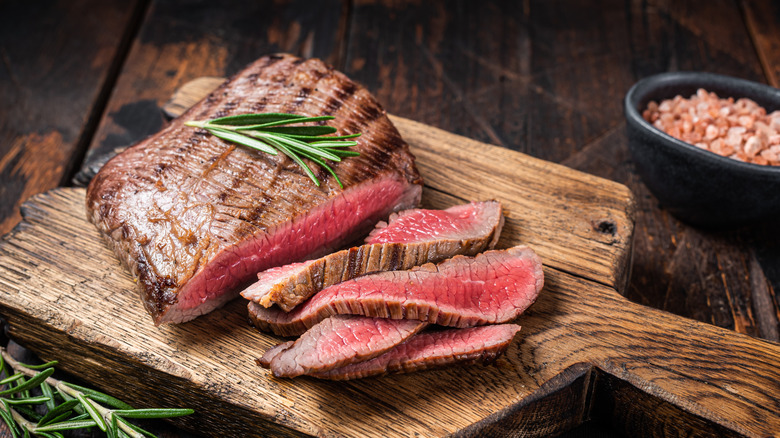
"Someone eating red meat daily with very little plant food will likely have a different long-term outcome than someone eating it alongside vegetables, legumes, and whole grains," Benson explains. She recommends a variety of protein sources, with red meat as only one part. "Most people benefit from rotating protein sources rather than relying on the same one every single day," she notes. "Many guidelines suggest keeping red meat around 12 to 18 ounces per week and rotating in other options like poultry, fish, or plant-based proteins."
Red meat has been linked to heart disease because of the high saturated fat content. Since red meat contains no fiber, you need to balance it with fiber and other nutrients to maintain good health. It's also been linked to issues with digestion that can further affect your health. Red meat (including beef, pork, mutton, goat, and game meat) can also form heterocyclic amines (HCAs) and polycyclic aromatic hydrocarbons (PAHs) during the cooking process, which are linked to cancer risks.
Most Americans already consume enough protein for a healthy diet. The newly released dietary guidelines for 2026 may make it seem like many are protein deficient when the opposite is true. Adult males are already consuming 96 grams of protein per day on average, while women are consuming 70 grams, which is firmly within old and new recommendations. That means, if your diet doesn't already contain a lot of red meat, you probably don't need to increase your intake.