

This Legume Isn't Just Nutritious, It's A Global Wartime Staple
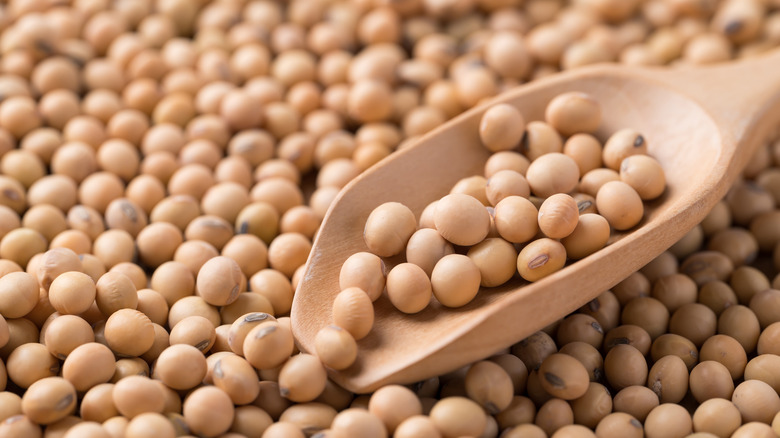
These days, you'll know soybeans through soy milk lattes, soy-glazed chicken wings, and the non-dairy, plant-based section of the grocery store. But flip back to the 20th century, and this modest legume had a completely different job: It was quietly holding together entire nations during their most desperate hours.
The earliest records for soybean cultivation date back to 11th century B.C.E. China, where it wrote itself into history as one of the five "sacred grains." Western interest was initially driven by the British appetite for soy sauce, but people found more and more applications for it, and soybean demand grew steadily in the early 20th century. It wasn't until World War II broke out, however, that soybeans became essential to the war effort.
Allied nations found themselves cut off from vegetable oil supplies in Asia. Since soy was already a core ingredient in essentials like soap and cooking fat for rations, governments immediately scrambled for a replacement source. The U.S. government turned its eyes toward farmers in the Midwest who were told to plant soybeans instead of other crops. Meanwhile, factories were built post-haste throughout the country to process soybeans. And just like that, soybeans became the literal definition of a strategic crop almost overnight.
The many uses people have for soybeans
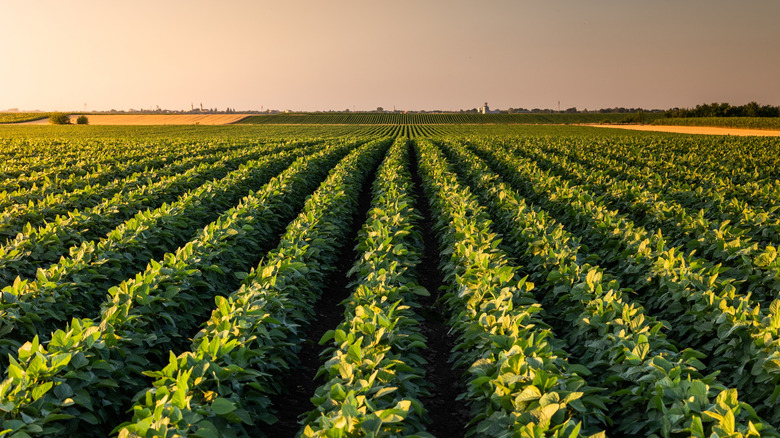
The United States, pushed by wartime demand, dramatically expanded domestic soy cultivation. By the war's end, American farmers had dethroned China and were now growing more soybeans than any country on the planet. This shift had a permanent effect on global agriculture that persists to this day. The U.S. remains among the world's largest soybean producers and exporters today.
Taking advantage of the surging supply of soybean products during the war, the federal government started distributing recipe booklets designed to introduce soy to people's diets. Notably, in one publication released by the U.S. Department of Agriculturewe can find instructions on how to make something called "Victory Bread". Basically, it's a recipe that you can use to save on wheat flour — an essential resource for the war effort that was strictly rationed at home. The rule is simple: 80% wheat and 20% of a substitute, and you get "Victory Mixed Flour" to bake bread with. The substitute could be anything from corn meal to oat flour, but, notably, there's one line for soybean flour. The loaf of soybean-stretched victory bread actually tasted pretty decent and packed real nutrition — perfect as a ration-friendly food.
How to use soybeans, wartime-style
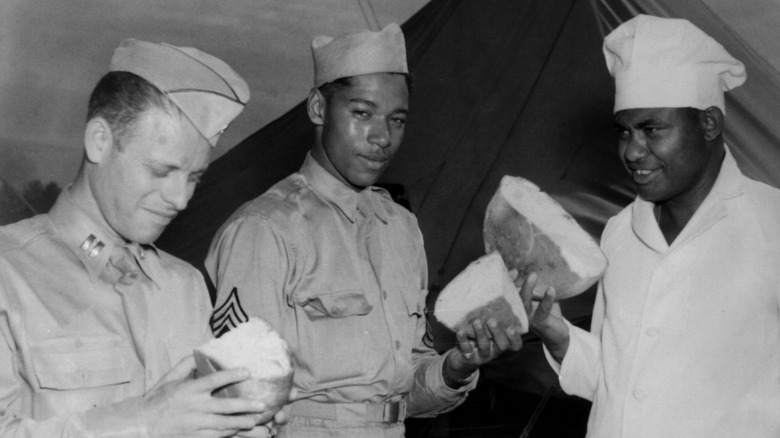
Soy milk rose to replace milk as an alternative, and with soy being able to stack up against meat nutritionally on a per-serving basis, propaganda aside, these recipes were genuinely nourishing people. Outside of Victory Breads, cooks experimented with soy flour in quick breads, biscuits, and soups, hitting and missing in equal measure. But when meat disappeared from grocers' shelves, even a mediocre soy soup beat going hungry. That's what mattered.
If you want to try these recipes yourself, soy flour is still readily available today. You can pick up a bag and experiment with the mild, slightly nutty flavor of this flour much like home cooks did during the war. History holds quite a few interesting recipes worth revisiting. Did you know that soy flour was used in Germany to make "anti-fatigue" biscuits for troops? All that protein, complex carbohydrates, and healthy fats made them perfect for sustained energy. You can also get raw soybeans to make homemade soy sauce, or explore the dozen soy-based ingredients waiting to be turned into something delicious. Though it looks humble, soy is far from boring — both in terms of its culinary potential and its remarkable history.