

Gordon Ramsay Tells Us His Biggest Restaurant Pet Peeves In 2026 - Exclusive Interview
Michelin-starred chef, international restaurateur, television personality, cookbook author, and philanthropist — Gordon Ramsay has done it all. He is something of a unicorn in the culinary world, with a career that spans more than 30 years. No stranger to Tasting Table, Ramsay has previously spoken to us about his ultimate cooking tips and fellow celebrity chefs, among other topics.
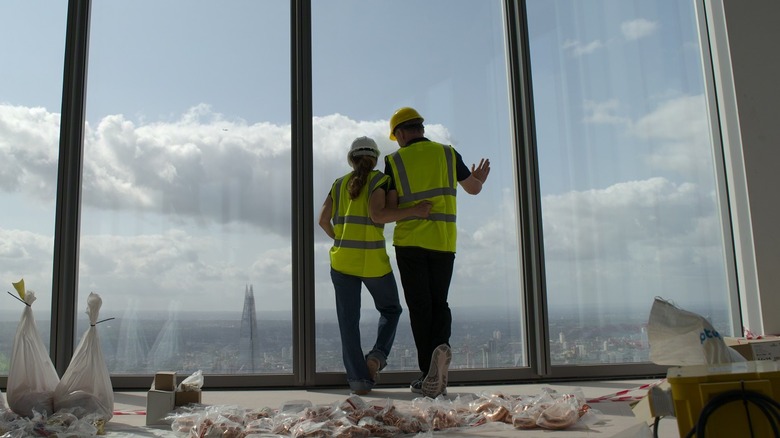
Ramsay is embarking on a new adventure in partnership with Netflix called "Being Gordon Ramsay." Premiering on February 18, this documentary series depicts his latest restaurant venture, which involves five distinct culinary experiences at the famous 22 Bishopsgate, one of the tallest buildings in London.
We caught up with the chef ahead of the premiere to discuss the documentary and his take on the state of the restaurant industry today. In this exclusive interview, he tells us about some of the trials and tribulations facing restaurants today, dishes on his biggest pet peeves, and discusses how social media influencers have changed the game when it comes to marketing. Read on for the full scoop.
The restaurant industry is very precarious
Can you talk about what the biggest changes in the industry have been in terms of things like rising costs, the practices of business in general, and then also what are some things maybe that are easier than they used to be?
I think the margins are the biggest thing that have depleted in this industry. ... We've just bounced back from COVID, just barely got ourselves back up and running, and all of a sudden we're hitting the ground running, but getting absolutely stopped at every turn with the ridiculous increase in costs.
And customers are not struggling to eat out, but they're being a lot more guarded with their money, and they've been a lot more protective over their dining out allowance. And then we've got the to-go stuff that is ramping up, and there's mini robots crossing the road now, delivering food ... all those delivery services are making things so much easier for you not to go out, not to cook. And so whilst the industry is tanking like that, the to-go business, it is increasing like that. So yeah, it's a tough seesaw at the moment, and it's a very awkward predicament to be in.
I think they're saying in [the] industry that flat is the new growth. Well, that's all fine to tread water, but one more item, one more issue, one more catastrophe scenario, and then it's game over. So yeah, it's fraught. Very fraught.
Mounjaro menus, smashed avocado, and foams are Ramsay's pet peeves
What are, or are there any restaurant food trends right now that you absolutely hate or any pet peeves that you have that make running a restaurant right now even more challenging?
If I ever hear that word again, the "Mounjaro menu," I will f***ing flip my lid. I've never heard anything so embarrassing in all my f***ing life that chefs are now getting organized with smaller tasting menus to support the weight loss jab. I've never heard anything so stupid in all my life. Dining out and breaking bread is a celebration. It's a reconnection. It's a moment of no politics. It's a moment of neutral ground, having fun, catching up, and enjoying. To supplement those menus with tasting menus that are Mounjaro kitted out for small portions, I find it embarrassing.
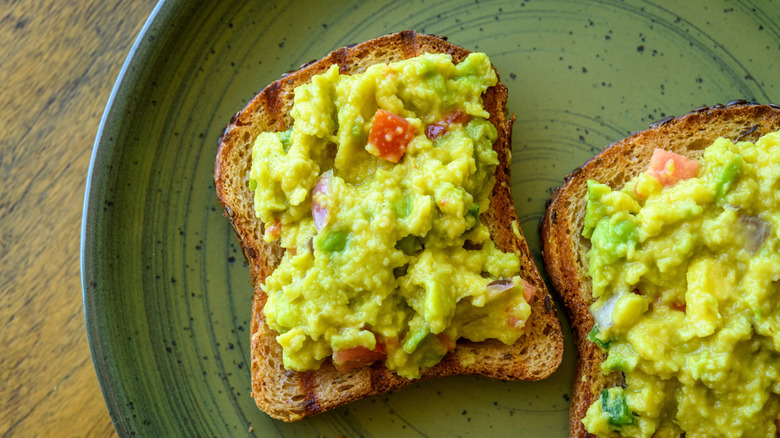
And ... if I hear one more chef tell me about smashed avocado, I'm going to scream. Do you have any idea how many ways you can make a delicious avocado? I had an avocado soup in Oaxaca a couple of months back, a beautiful chilled avocado soup with queso fresco and finished with a beautiful little pickled habanero, and it was exceptional. But if I still see this word "smashed avocado," honestly, it frustrates the hell out of me.
And the final pet peeve is the foam. Foams are for shaving, right? Foams have a 30-second window. After that, on the plate, they look like your cat's puked up on it.
Influencers are a necessary evil of the business
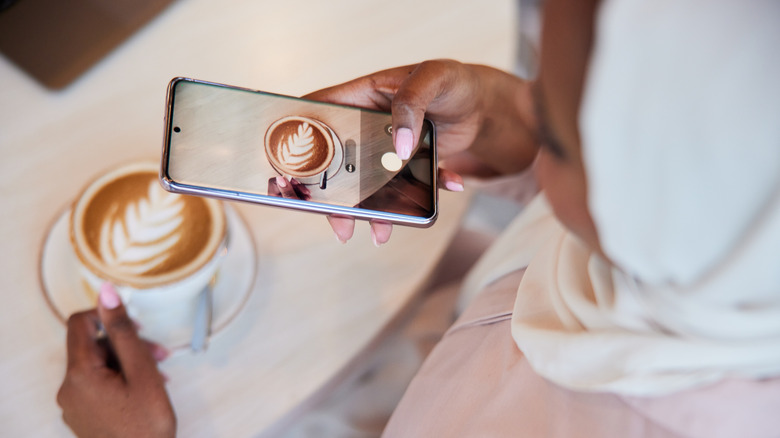
You talk a lot about influencers on your documentary being kind of the key to getting traction for a new restaurant. How has this differed from the critics of before in the past? And what do you like or dislike about influencers?
Yeah, that's a tough one, isn't it? Because it's a double-edged sword. There's 50% of the industry that can't stand them ... And then there's the other side ... it goes viral, [and] your dining room is full for the next six months. And so I always say ... "Hey, move with it or it moves you."
The long-winded poison pen of the six-week lead-in and the critics coming in undercover is absolute utter bulls***. [Critics come in] not wanting to be recognized, and then they go back and they come back six times. ... I get frustrated with being judged by individuals that know less about food than I do. ... We can't live and die on that sword anymore. Restaurants are too fragile. The industry is in a state like never before, and we need to bolster. Yes, we have bad nights. Yes, we have and make mistakes, but so does anyone in their normal line of work.
And so that's the problem when you open a restaurant, you've got that anticipated poison pen, keyboard warrior waiting to get in and criticize. And when you have a reputation and you're already known before you open, you're sort of screwed before you get going because they judge the character over the atmosphere and the food.
And then we've got those individuals that go online, write reviews, and don't even go to the f***ing restaurant. What does that say? You've seen them. We've called them out. Then you've got the other dudes that are taking reservations on your behalf and then selling them at premium elsewhere. ... And people also hijacking reservations, booking them, and then selling those reservations to concierge and five-star hotels. It's appalling.
Michelin stars are important but not a guarantee of fine dining
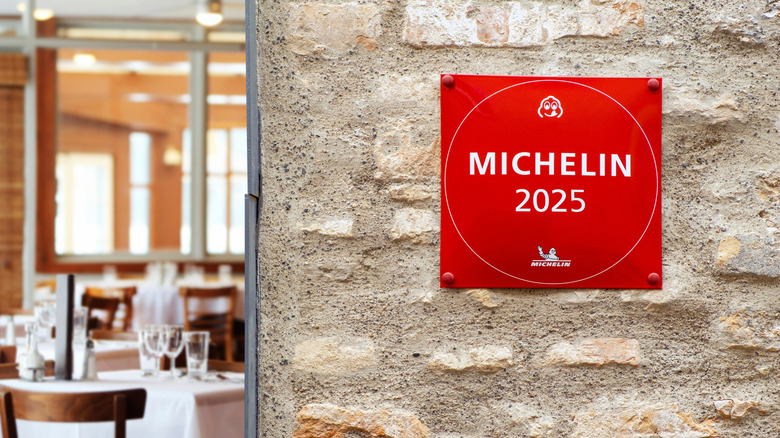
How important do you think the whole Michelin star system is still today? How stressful is it to maintain that ranking, and what does it take in your mind to get a Michelin star?
I think from a chef's perspective, it's a badge of honor, and it's not to be misconstrued. Don't forget, you get judged on that night and that guide, launch, party for what you cooked the year before. So you need to put it in perspective. Michelin don't want to see restaurants that go bust, end up in liquidation, and [are unable to] sustain what they've been awarded because at the end of it, it's about the P&L, successful business, positive cash flow, happy environment, loyal customers, and most importantly, exciting food. So the Michelin thing is something to indulge and celebrate, but it's also about moving on and not overthinking about it.
So sometimes you get a star, and it means the wrong thing to the chef where they have to make it even more serious, which is what the customers don't want. And so Michelin needs those restaurants as much as we need Michelin, don't forget. It's an equal partnership. And so let's not lose the importance. I'd rather have a restaurant with no stars that's full every night than have a restaurant that's overpriced with three stars that is barely full on a Saturday night.
When it hits the local press and you've been awarded a star, it's fantastic, but don't lose the foresight. You're running a business. Every ... ingredient coming in there, you have to make a return on. And so you've got to find that balance. And that's a tricky thing. And Michelin don't want you cooking for Michelin. Michelin want you cooking at your absolute best, and they will reward you for that. ... So it's a badge of honor. It's the foodie Oscars, and it's the one guide that you can trust with integrity. And more importantly, it helps put butts on seats.
The design of a restaurant is as important as the food
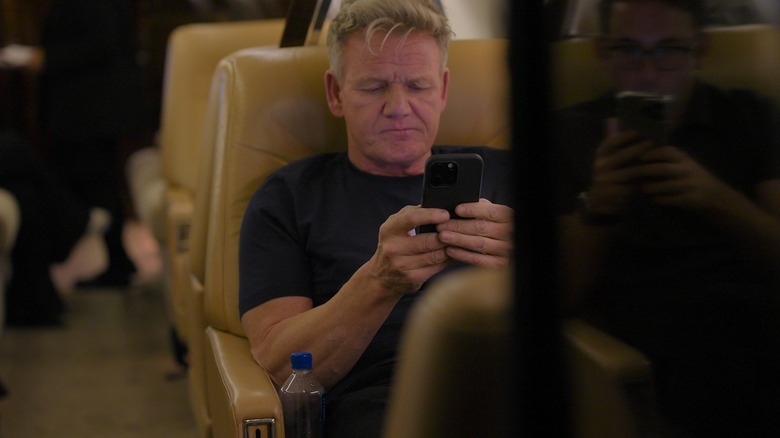
You also discussed this a lot in the documentary, but how important is the design of the restaurant and the look of the front of the house staff? Because you took a lot of time with their uniforms and everything. How do those two work together and what do you look for in terms of that design? What functionality or what aesthetic do you look for?
First of all, it's really important to find that balance. Restaurants aren't made up just because the food's good. The interior needs to be slick. In needs to be unpretentious. It needs to be welcoming, [with] decent spaces in between those tables, and, more importantly, the service needs to match the food. ... That's called uniting the teams together. And so I don't care if you're the best chef in the world; if you haven't got the front of house team to represent you and deliver that food and make that service unpretentious, service should be elegant without being noticed. I like the joyful introduction. I like the charisma that a maître d' or waiter gives off. I love hearing the specials, and I love seeing how smart they look in the attire that matches. And so all this is a combination of tiny little elements that need to come together on the day.
And on top of that, you've got the lighting. The lighting in the dining room is equally as important as the service or the food. When something's too bright, you can't relax. You notice so much more than you should do. When something's too dark, you can't communicate, and the atmosphere is flat. And so finding that balance is like music.
Having music with a great playlist, your customers are your real music, and that atmosphere should increase from seven to eight to nine [in the evening], and the music comes down. When the restaurant's half empty, the music's up. But when that restaurant is full, the real music is the atmosphere and the ambiance from your customers. So it's a tricky balance, but I don't think everything should be overlaying with velvet and gold leaf dripping from the ceiling. It needs to feel comfortable, but without making you feel uneasy.
Hygiene is of utmost importance for restaurant staff
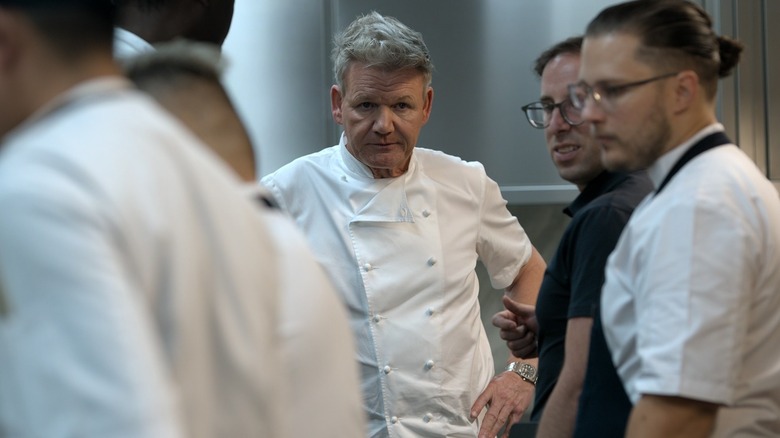
When you're looking at hiring staff, whether it be in the kitchen staff or front of the house staff, what are the main qualities you look for and the main skills you look for?
This is an industry that doesn't self-propel itself. You can't sit back and jump on your laptop. You need energy, passion, and then you need to be somewhat resilient. And that's the most important thing. And then I'm a stickler for hygiene. I kid you not, from fingernails to hair, to eyebrows, to teeth, to breath, front of house, back of house perception, cleanliness. And you should be as spotless as going to visit the dentist.
Watch "Being Gordon Ramsay," premiering on February 18, on Netflix.