

Home Bakers In New York Are Banned From Selling These Items
If you've ever dreamed of turning your home kitchen into a side hustle, New York's home processed food laws might feel a little restrictive — and deflating. While the state allows home bakers to sell certain shelf-stable treats, it draws a firm line around foods that can spoil easily or harbor bacteria under the wrong conditions. These restrictions are part of New York's Home Processor Exemption, which lays out exactly what home bakers can and can't sell to the public. But rest assured, the laws are in place to protect not only the eating public, but you as a provider of those goodies.
At the heart of the laws are the food safety tips every home cook should know, and New York officials are especially cautious about foods that require refrigeration or precise temperature control. Since home kitchens aren't routinely inspected, it's important to have specific restrictions in place. Without those, your seemingly innocent creations made with dairy products, eggs, or moisture-rich fillings, can become a breeding grounds for bacteria. The rules aren't there to crush your dreams or hamper creativity; the intent is to combat food safety myths and lower the chance of foodborne illness.
It can be overwhelming or confusing to know where the lines are drawn and what items are strictly off-limits. But the New York State Department of Agriculture and Markets does help by clearly stating specific restrictions.
Creamy and high-moisture ingredients land on the no-fly list
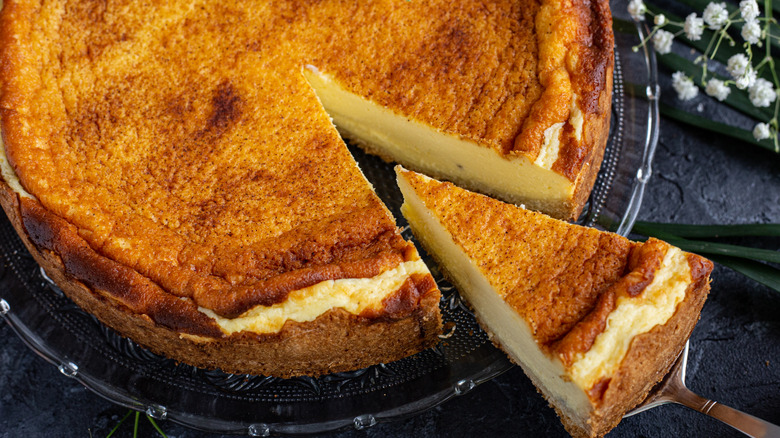
Cream-based baked goods are first to land in the no-fly zone for home bakers in New York. It's illegal to sell baked goods topped or filled with homemade buttercream or cream-cheese frosting if they contain dairy or eggs, which most do. Though super tasty and surefire best-sellers for home-baked goods, they're considered dangerous when left unrefrigerated, such as when selling the goods in outdoor environments. For the same reason, cheesecake also lands on the naughty list.
Cream-filled pastries and cream pies are another no-go. Think éclairs, Boston cream pie, or anything with custard or whipped cream tucked inside. Meringue pies made with egg whites also get the axe because of the risk of salmonella. These are all things that are hard to control, and therefore create potential hazards and headaches for you and those who could be at risk, even with your best intentions of providing delicious, old-fashioned treats from your own hearth and home.
Even chocolate-loving home chefs aren't totally in the clear. What's known as "tempered chocolate," such as chocolate-covered fruits, are banned because of fillings, moisture, and temperature sensitivity. Anything containing raw nuts and vegetables, like zucchini or carrot breads, are also not permitted. The good news is that plain, shelf-stable treats like cookies, muffins, and breads, are allowed — so bake to your heart's content.