

Most Fruit Trees Can Wait Until Spring To Be Pruned, Except These Two
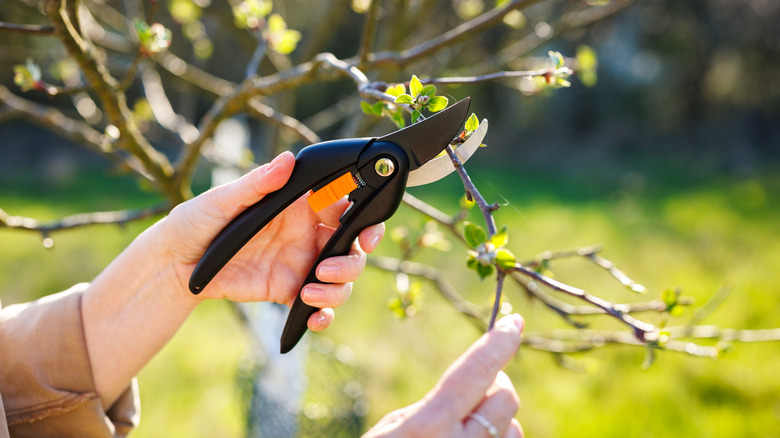
During the colder months, the garden is resting, and we are slowly making our way through the hearty recipes for cozy winter weekends. We might be dreaming up garden plans for the spring and pre-ordering the first seeds, but otherwise our green thumbs are as dormant as the soil. Still, if you have two particular fruit trees growing in your backyard orchard, winter is the ideal time to prune them.
Apple and pear are fairly uncomplicated, beginner-friendly fruit trees, although they both need a little TLC in the winter. Mainly, they need to be pruned in order to stimulate more fruit production, come growing season. While it may pain your heart to cut off any branches, rest assured that the snipping will yield more fruit in the long run. When the branches are too crowded, they start blocking the light and slowing down the fruit production. Winter is a great time to prune apples and pears because the tree itself is dormant. You don't have to wade through the leaves or risk damaging the tree that's actively producing a lot of sap. It's also much easier to spot branches that are already damaged or growing in an undesired direction, eliminating them before the tree invests more energy into growing them.
Apples and pears are the only fruit trees that can safely be pruned in the winter
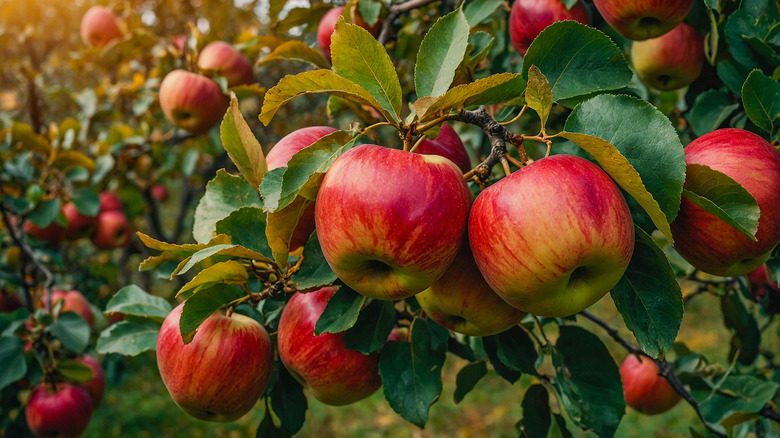
With the exception of apples and pears, pruning fruit trees in the winter can severely damage them and should be avoided. It's better to wait until early spring, just before the growing season begins again. Even though pruning is good for the trees, each cut essentially creates a wound that needs to heal. Most fruit trees are too weak during the winter to properly heal these pruning wounds, which makes them far more susceptible to diseases, such as the Silver leaf disease — a fungus that's mainly active in cold and wet weather and can kill the entire tree if it's allowed to spread.
In contrast, apples and pears are actually more likely to catch diseases during the warm months. One such example is the fire blight disease, which is prevalent in warm and humid months, starting in the spring and lasting through the summer. That said, some consideration is still needed during the winter as well; don't just run out into your backyard with pruning shears in hand on the iciest day of January. Pruning in wet weather or cutting frozen branches is not a good idea. Wait for a dry, slightly warmer winter day to get the pruning done. And while you're waiting, there are plenty of delicious pear recipes to bake through.