

10 Food Trends You Can Expect To See In 2026

Food trends are changing and evolving constantly, with yesterday's textures, flavors, and ingredients moving aside or inspiring the ones we expect to see in 2026. We expect the upcoming year to be influenced by health trends, as well as politics, and the need for comfort in our food offerings. People's ever-expanding palates and health needs are also colliding with their budgets, but that doesn't mean they plan to sacrifice their food experiences.
What do food trends look like in 2026? Well, largely, people are looking for products that can do more than one thing at a time and save them money while still allowing indulgence and keeping them healthy. That piece of Wagyu beef on their plate might be small and expensive, but they've bolstered it with cheaper proteins and highly-flavored sauces that pack a punch. And the drink they've chosen to accompany their meal (or be their meal) does more than just quench their thirst; it also has health benefits. This year, when people go out to eat at a restaurant within their budget, they may not be taking a doggy bag home. If you're curious about what to expect to see trending in the food world in 2026, we've made 10 educated predictions.
Menus with smaller portions, and not just for lunch
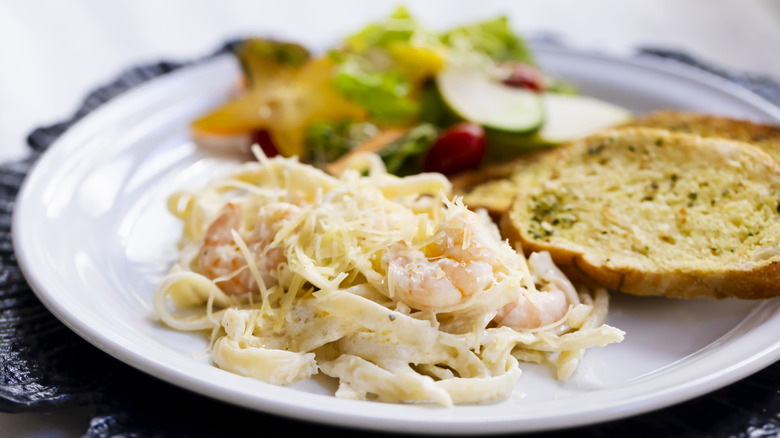
Finally, what we've all been wanting is happening; we're getting smaller food portions at restaurants in 2026. Well, at least we hope so. According to a 2025 report by the National Restaurant Association, 73% of all adults say they'd prefer smaller portions at lower prices across various types of restaurants, with the percentage skewing even higher among younger generations. We feel like this could be a win for everyone in a country known for its enormous restaurant servings, especially considering rising food costs and an increase in health consciousness.
Smaller portions can keep menu prices down, which is great news for shrinking customer budgets. Of course, it could seem like a shrinkflation scam; however, there are certainly advantages. Not only does the customer pay less and not overindulge or have to cut their night short to take leftover food home, but the restaurant also attracts more customers with its lower menu prices. Plus, with 12% of Americans having used weight-loss drugs that shrink their appetites (per Rand), people are eating smaller amounts.
Olive Garden already gave this idea a try in 2025 with an option of a lighter or regular portion size for seven of its existing menu items, with good results. Done this way, customers can get the portion they want without feeling cheated. According to CNN, customers are now rating the chain 15% higher for affordability than they did previously.
Nostalgia and comfort on the menu
It's no secret that the news and our lives are filled with plenty of stress these days, which means that people are turning wherever they can to find respite and stress relief, including restaurants. We learned just how important comfort foods were to our well-being during the COVID-19 pandemic, and restaurants are sure to capitalize on this idea again in 2026.
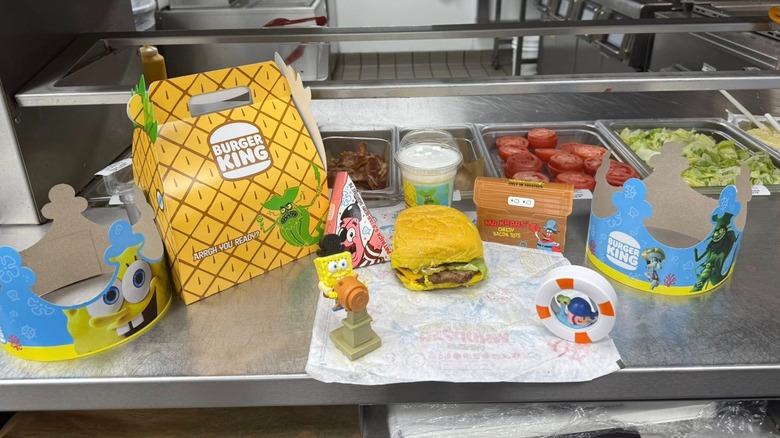
Nostalgia for menu items and characters we loved from childhood is already on the rise in adult meals. At the end of 2025, the Grinch Meal adult Happy Meal at McDonald's sold out before everyone who wanted them could get their nostalgic Grinch-themed socks. And in December 2025, the Burger King SpongeBob menu was a huge hit that took social media by storm.
Along with nostalgia, we predict a surge in comfort menu items. Perhaps this will look like soups, stews, stuffed baked potatoes, and smashburgers. However, some of the items you might find on adult menus might be ones you'd normally expect to see on a kid's menu, like pizza rolls. Granted, the kids' menu items may be altered for adult tastes. Customers have already started noticing restaurant menus with items like fancy grilled cheese and mini hot dogs made swanky with caviar.
Fibermaxxing
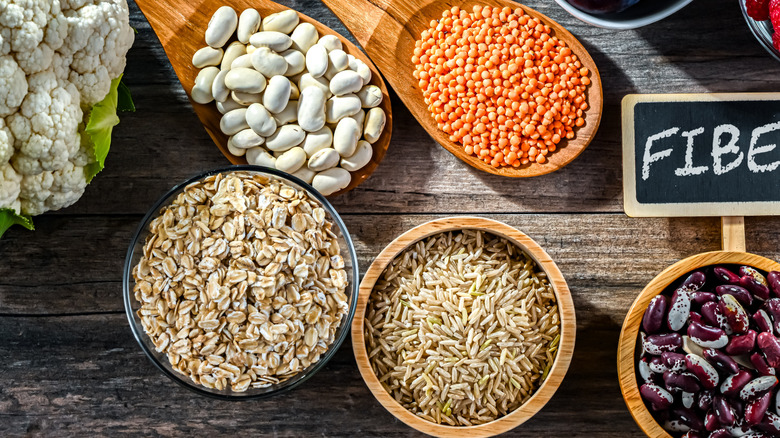
Fibermaxxing is likely to become a phrase you start to hear in 2026, as fiber becomes an ever more prominent nutritional trend. Fibermaxxing is exactly what you think it is: maxxing out your diet with fiber-heavy foods. With the USDA saying that most adults (90% of women and 97% of men) aren't getting the amount of fiber they need, it's not a bad trend for its health benefits.
According to UCLA Health, fiber helps you feel full longer, helps lower cholesterol, improves bowel movements, and helps prevent certain chronic diseases. It serves a lot of positive purposes. The amount you need depends on your age and gender, with the USDA citing 25 grams per day for adult women and 38 grams per day for adult men. However, Healthline says that there is such a thing as too much fiber, which can cause digestive problems like gas or affect how well your body can absorb certain nutrients.
The good news is that you don't necessarily have to add Metamucil to your drinks or switch to some tasteless, twig-like cereal to fibermax. After all, good sources of fiber include many fruits, vegetables, legumes, whole grains, nuts, and seeds. So, just fill your plate with more whole and unprocessed fiber-rich foods.
Cabbage

If you haven't made a recipe with cabbage recently, you're already behind 2026's big veggie trend. It's a cheap way to add crunch and greens to your meal, but it also has appeal for some of its health benefits. It also helps that this versatile veggie stays fresh for weeks in your fridge, so it's not likely to have expired before you have time to add it to salads, soups, and other dishes.
Pinterest has given a good sense of what's to come in 2026 with its statistics for all the top cabbage-based recipes users are searching for. Topping the charts is a 110% increase in searches for cabbage dumplings and a 95% increase in searches for golumpki soup (a Polish unstuffed cabbage roll soup). Other high-ranking trending searches include cabbage Alfredo, sauteed bok choy, and fermented cabbage.
Part of the appeal of cabbage is its health benefits. The increasing focus on gut health for better digestion will likely make fermented cabbage dishes like kimchi and sauerkraut popular. However, even if you're not fermenting it, it's still a high-fiber vegetable which goes a long way for the price if you're fibermaxxing. Furthermore, cabbage packs 56% of the daily value of vitamin K and 36% of vitamin C. Plus, there are studies suggesting that it may help with inflammation and heart health. So, if kale wasn't really your thing when it was trendy, you might more easily be able to embrace cabbage.
High-quality proteins and meat
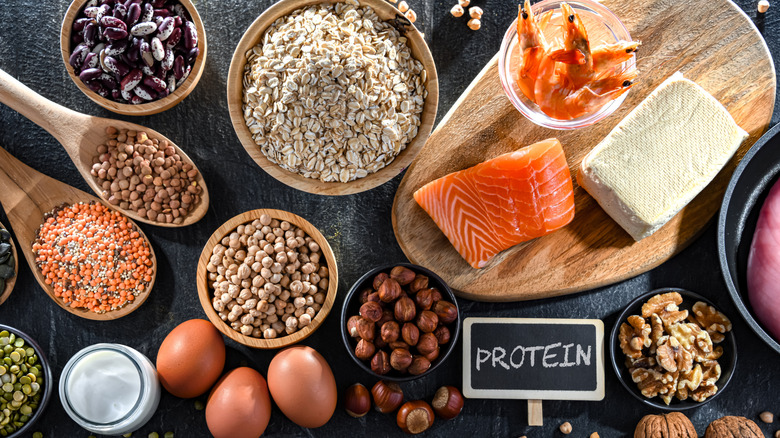
If you've heard the news about the latest changes to the U.S. food pyramid, you can probably already guess that 2026 is going to be a year for protein and meat to trend. If you look at the top of the USDA's new pyramid, protein-rich meats and dairy share space with vegetables, fruits, and healthy fats as what we should be consuming the most of on a daily basis. However, the priority is supposed to be protein.
Already, protein content is on the rise when it comes to what's trending on social media. According to charm.io (via Table Magazine), 150% more people have been viewing protein-related content on TikTok in the past year. However, there's been a focus on higher-quality protein. Although many people are moving toward a plant-based diet, those who aren't are often upping their meat game, seeking out items like Wagyu beef, luxury-level tinned fish, duck, Iberico pork, and locally sourced, pasture-raised meat. Those who prefer plant-based proteins are turning more to legumes like lentils and chickpeas, as well as grains like hemp and quinoa, rather than fake meats.
There's another interesting trend emerging, which is taking a hybrid approach to the protein sources we add to our plates. This simply means that people are often deriving their proteins from both meat- and plant-based sources. It's certainly a cost-effective option with meat costing more these days.
Beef tallow
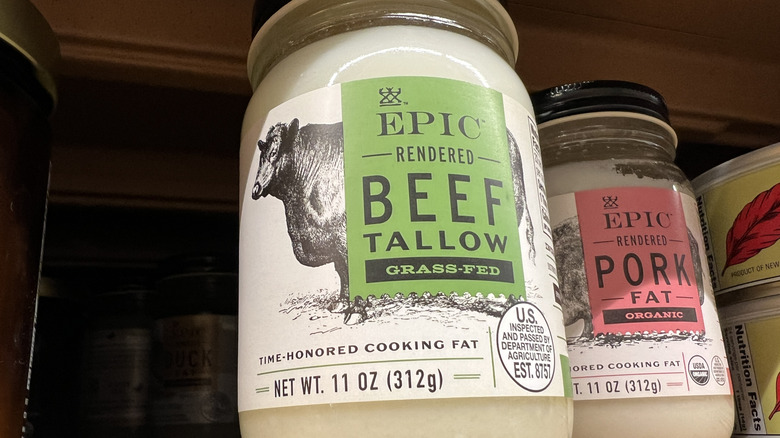
Despite beef tallow being a saturated animal fat, which many of us have tried to avoid for the past few decades, it's making a comeback. Robert F. Kennedy, Jr. pushed it into the limelight in 2024 when he fried his Thanksgiving turkey in it and declared it healthy. Kennedy has thrust beef tallow into the limelight as part of his attempt to de-demonize saturated fats to replace seed oils, which he's now villainized.
There was a time when there wasn't much of a market for beef tallow, but now this nostalgic ancestral fat is all the rage. Since it has a high smoke point, it works wherever you normally use fat, from frying french fries to baking pastries, making them crisp and providing a rich flavor. You'll even find products already coated with it and ready to pop in the oven, like Jesse & Ben's Tallow & Sea Salt Fries. Plus, several restaurants, like Steak 'n Shake, have switched to it for frying. In fact, according to Tastewise (via MediaPost), beef tallow demand has increased 144% coming into 2026.
Keep in mind that the American Heart Association still recommends getting no more than 120 of your daily calories from saturated fats in a 2,000-calorie diet to help combat heart disease. This comes out to no more than 13 grams per day, which is about 1 tablespoon of saturated fat. So, moderation is key if you want to try it.
Healthier beverages of all sorts with little to no alcohol
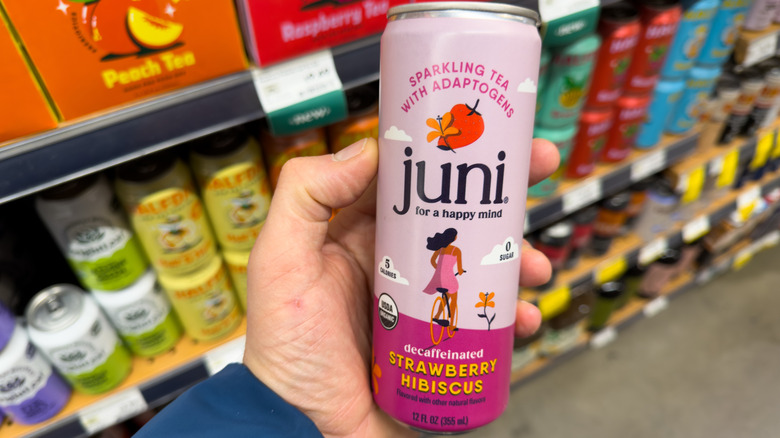
Not only are people becoming more health-conscious when it comes to the beverages they consume, but they're opting for beverages that do more than just quench their thirst. So, functional beverages have become all the rage. Why spend your calories on flavor alone? This isn't a new concept, since we've been drinking coffee and tea forever to improve our focus — and drinking alcohol to help us relieve stress. But expect to see even more functional drinks that are mental- and physical-health-forward, showing up on menus and in beverage cases.
The concept of the mocktail is evolving, especially with Gen Z being less likely to drink, and Gallup indicating that alcohol sales were at an all-time low in 2025. Thus, more bars are serving mocktails, non-alcoholic beers, and low-alcohol drinks.
Drinks infused with adaptogens are on the rise as well, since people still want their drinks to do something that claims to help them relax. So, they might order drinks infused with THC, CBD, kava, or ashwagandha. Plus, there are a plethora of mushroom-infused drinks out there, which allegedly offer all sorts of health benefits and emotional boosts. Those concerned with gut health can be on the lookout for more prebiotic drinks and ones that even boast fiber content. Functional foam is also becoming a thing, with coffee shops serving cold foam toppings for drinks infused with everything from collagen to added protein.
Swangy and swavory foods
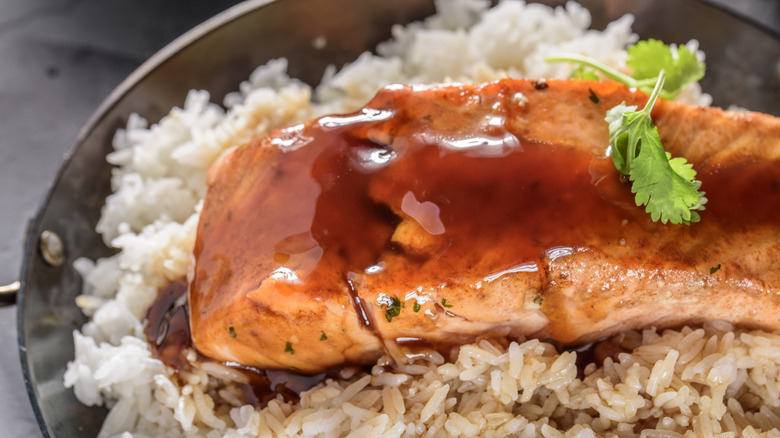
In 2024 and 2025, the trend was for swicy foods (sweet and spicy), but in 2026, you'll be hearing people talk about swangy and swavory foods. Once again, trending foods will be hitting that all-important sweet note, but this time, the flavor combinations will be swavory — sweet and savory — or swangy — sweet and tangy. Sometimes, these dishes might add a spicy element as well.
First, we want to introduce you to swavory dishes, which combine umami and sweet notes together. You might already be familiar with some swavory Asian dishes, like teriyaki and bulgogi, where the sauce combines both savory and sweet flavors for a delightful whole. Expect to see more sweet ingredients like maple syrup and brown sugar mixed with sauces or included in the flavor profile of savory snacks. Think beyond salted caramel popcorn to more innovative combinations like miso caramel or even celery-flavored desserts.
Likewise, swangy foods will have chefs thinking outside the box, too, creating foods that are the best of both worlds. These two flavor profiles balance each other out, with tangy ingredients brightening sweet ingredients, and sweet ingredients mellowing out the sharpness of mouth-puckering notes. Think sweet-and-sour pork that combines vinegar and sugar with soy sauce or honey, and citrus Mediterranean meat glazes. Add spice to the mix, and you end up with dishes like Korean sweet-and-spicy BBQ sauce with chiles and garlic.
Black currants, dark sweet cherry, and pandan as trending flavors
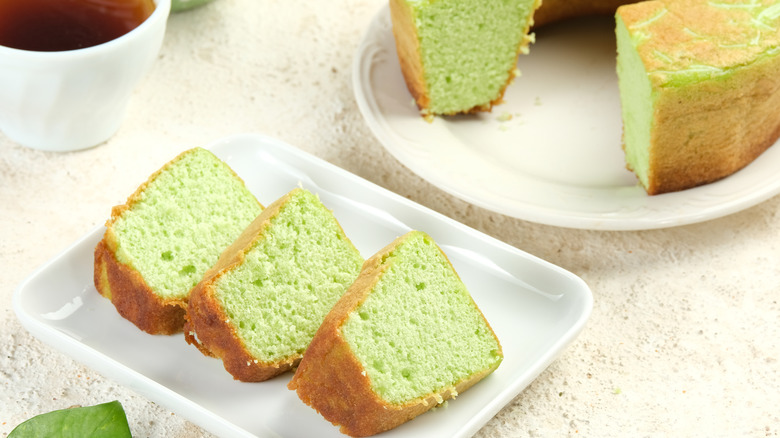
While McCormick has named black currant the 2026 flavor of the year, we also expect to see dark sweet cherry and pandan come into their own this year. All of these flavors work well in both foods and drinks.
Black currants and dark sweet cherries are both vibrant and flavorful fruits that play into the swangy flavor profile mentioned above. You're likely to see them in desserts and drinks, and they may show up in jams and candies, but they also work with savory dishes. For example, you might see black currant or dark sweet cherry glazes and sauces for meat dishes like pork ribs or as a sauce for this year's favorite veggie: cabbage.
A flavor that might not have been on your radar before, but is now likely to pop up this year, is pandan. It comes from a green plant and is popular in Southeast Asian foods and drinks. We've found it as a liquid flavoring, like vanilla, as well as in powdered form in Asian markets (looking a lot like matcha). You might also run across it as refrigerated or frozen leaves. The flavor resembles a green, bready, and nutty vanilla. Expect to see pandan drinks, especially with tropical fruits. Plus, you might see it in baked desserts like cheesecake and cookies or in waffles. It can also go savory, such as in Malaysia's national dish, nasi lemak, which is served in a pandan leaf.
Hojicha
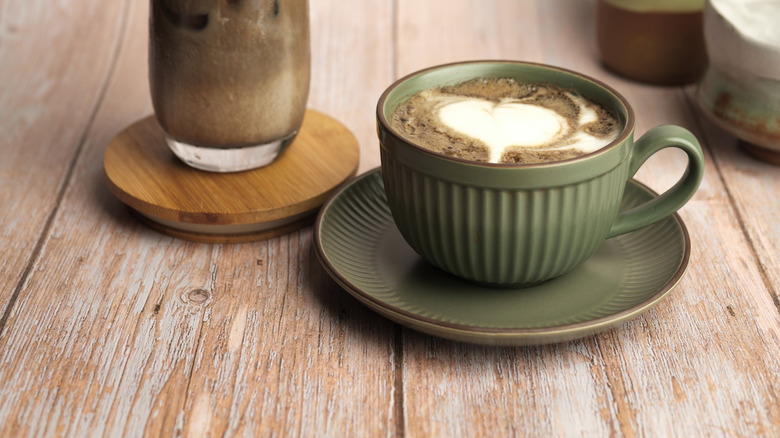
When it comes to a completely new (to most of us) beverage you can expect to see in 2026, Japanese hojicha is one to watch for. It's already a regular drink at Starbucks in Japan, which is why we're watching the Starbucks menu in the U.S. in hopeful anticipation. Hojicha is a type of green tea, but it's brown, has a different flavor profile, and has a very low caffeine content.
To make hojicha, producers charcoal-roast green tea leaves. This process provides the leaves with a more caramelized, smoky, nutty, and less bitter flavor, which feeds into the comfort trend we expect to see in the food realm in 2026. It still has antioxidants like regular green tea. Plus, it lowers the caffeine content to only around 7 grams per cup, which means you can enjoy more cups of hojicha if you're sensitive to caffeine. To put the caffeine amount into perspective, you'd need to drink 7 cups of hojicha to equal the amount of caffeine in a single cup of matcha (around 50 grams) or 13.5 cups to equal the amount in coffee (around 95 grams).
You're likely to see hojicha transcend the drink menu like matcha has, showing up everywhere from ice cream to baked desserts and even marinades and chocolate. So, the coffee shop may not be the only place to find this new comfort drink. In the meantime, you can find powdered versions like Jade Leaf hojicha powder online to use at home.