

How To Choose The Best Size Frying Pan For Your Kitchen
We may receive a commission on purchases made from links.
From morning eggs to oven to cast-iron reverse sear steaks, a frying pan is one of the most essential pieces of cookware in any kitchen. If you're shopping for one and fixating on materials, non-stick coatings, or fancy proprietary heating features — hold on. Think about size first!
Getting the size right saves you money. Too small means cooking in batches or needing multiple pans. Too large means paying for capacity your burner can't even heat properly. Beyond that, size affects how your food actually cooks. Pack too much into a small pan, and everything crowds together — instead of getting a brown crust, it'll just steam. Use a pan that's too large for your burner, and you'll get cold spots where half your stir-fry comes out golden while the other half sits there pale.
So what size do you actually need? If you're cooking solo meals or breakfast eggs, 6 to 8 inches works well — something like the Blue Diamond 8" Nonstick Frying Pan Skillet handles these tasks easily. 10 to 11 inches covers most dinners for two or three people. 12 to 14 inches, like the Tramontina Professional Non-Stick, is for cooking for larger groups.
There's more to sizing than just headcount
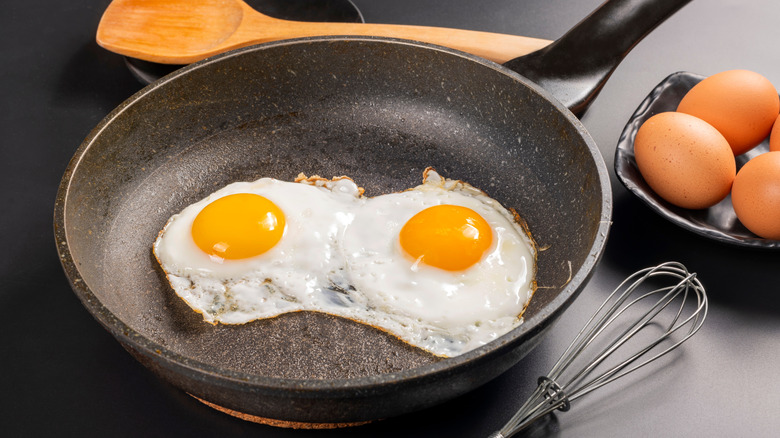
Beyond matching pan size to headcount, think about what you're cooking. A compact pan like the GoodCook Everyday Aluminum Frying Pan keeps a single fried egg thick and not too spread out – perfect as a sandwich-filler. Steaks, pork chops, or stir-fries need ten inches or more — cram them into something smaller, and they'll crowd together, steaming into grey, rubbery disappointments instead of getting that nice caramelized crust.
Don't ignore weight, either. 12-inch skillets get surprisingly heavy when loaded with food. Bad wrists or cooking after work? You're going to feel it. Bigger pans are tougher to handle, even when empty — all that flipping and maneuvering adds up. Test the weight in person if possible, or at least look up the specs online.
Your burners matter too. If a pan hangs over your burner, it won't heat right and might even warp the metal. The center gets hot while the edges stay cool, wasting energy and cooking your food unevenly. Smaller stove? Electric coils? Measure those burners before you buy. A big 14-inch pan looks nice, but it's worthless if your stove can't handle it.