

This Potato-Famous State Is Also Producing World-Class Wine
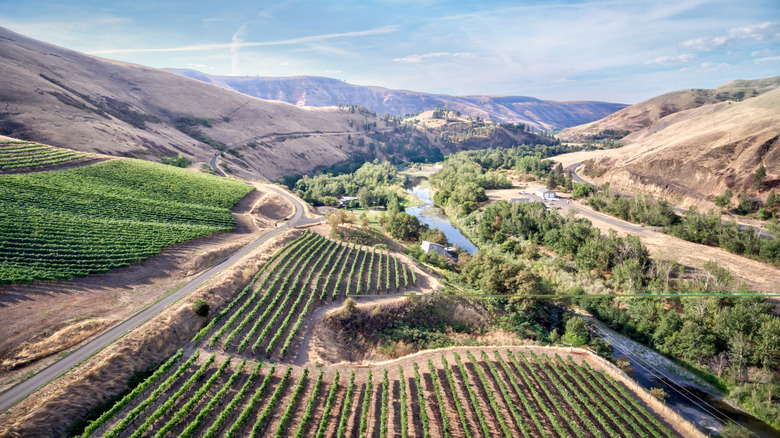
The Pacific Northwest is well-known for producing world-class wines. With thousands of acres of vineyards, Washington and Oregon are among the top wine producing states in the nation, with winemakers taking advantage of distinct climates and terroir to craft a wide range of fantastic wines. Therefore, it should not be a surprise that their neighbor to the east is one of the lesser known U.S. wine regions, quietly producing outstanding wines. While it might be best known for its famous potatoes, Idaho boasts 1,300 acres of vineyards, run by a tight-knit community of winemakers that are invigorating the industry and capturing the attention of oeanophiles and wine experts alike.
There are many reasons to put Idaho wines on your radar. Thanks to its incredible geography, Idaho's vineyards can successfully grow a wide variety of wine grapes, from cool-loving whites like Riesling to varieties that thrive in dry, hot climates like Tempranillo. There are currently at least 65 wineries producing wines in Idaho — with a whooping 47% women-owned — but the numbers keep rising as winemakers discover the state's favorable climate conditions and the opportunity to participate in a growing industry.
If your interest is piqued you're not alone. Wine competitions are taking notice, too, as Idaho wines continue garnering awards in regional competitions, and wineries are opening their tasting rooms and cellars to visitors who wish to learn about the deep history and bright future of the Idaho wine industry. Here's a quick primer of all things that make Idaho wines worth seeking.
A quick history of winemaking in Idaho
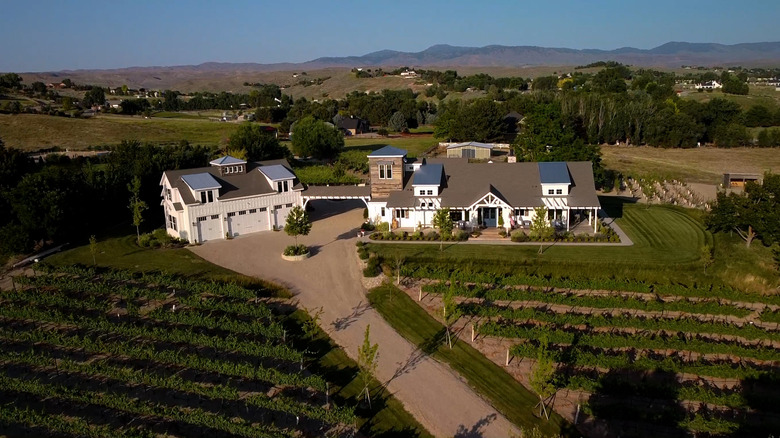
Although you might think that making wine in Idaho is a new endeavor, you'll need to reconsider. Idaho was home to the first wineries in the Pacific Northwest, with the first grapes planted in Lewiston, near the border with Washington, in 1864. Immigrants Louis Desol and Robert Schleicher from France, and Jacob Schaefer from Germany, were among Idaho's first viticulturists and winemakers. Then, Robert Schleicher, an Alsatian immigrant, planted a vineyard of over 100 acres with imported Bordeaux varieties in the early 1880s, and his wines won awards around the country.
Sadly, as Idaho's wines were on the rise, Prohibition completely destroyed the industry, bringing wine production to a grinding halt. In 1970, wine grapes were planted again along the Snake River Valley, in the southern part of the state. This is where Idaho's first AVA, the Snake River Valley AVA, was established on April 9, 2007. The main AVA in Idaho, which is shared with Oregon, is where the mayority of the wineries are located today.
Idaho's geography and climate make for excellent wine terroir
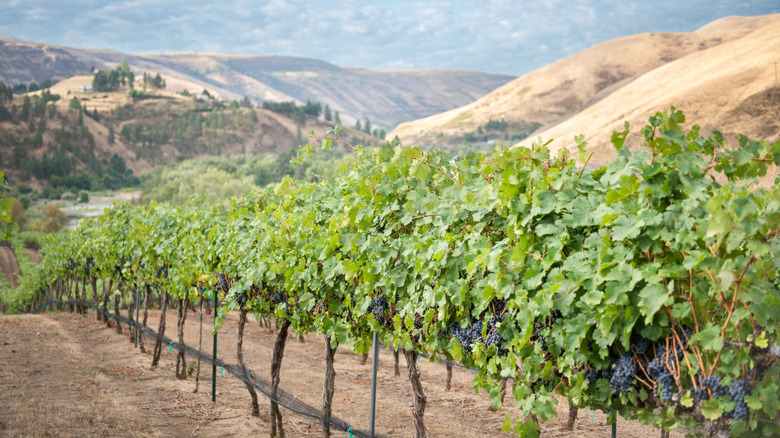
Idaho's geography and climate, with its four distinct seasons, make it an ideal place for growing grapes which benefit from warm days, cool nights, and limited rainfall. Divided into three AVAs and six wine regions, each with its own microclimate and growing conditions, Idaho's wine country extends over most of the state, with volcanic, glacial, and alluvial soils and varying elevations — from river valleys to slopes above 2000 feet — contributing to the grapes' flavor profiles. Idaho's terroir combines the best characteristics from Washington, Oregon, and British Columbia to produce extraordinary wines.
The Snake River Valley AVA covers more than 8,000 square miles in a perfect latitude for growing grapes, similar to that of the Rhone region of France and Rioja in Spain. Established in December 2015, the Eagle Valley AVA is nestled in the foothills, encompassing nearly 50,000 acres within the Snake River Valley, while the Lewis-Clark Valley AVA, established in May 2016, runs along the steep canyons of the Clearwater and mid-Snake Rivers, covering 479 square miles. Idaho's six distinct wine regions are Coeur d'Alene & Sandpoint, Lewiston & Moscow, Western Treasure Valley & Sunnyslope, Eagle, Boise & Garden City, and South Central.
Idaho produces a wide variety of wines
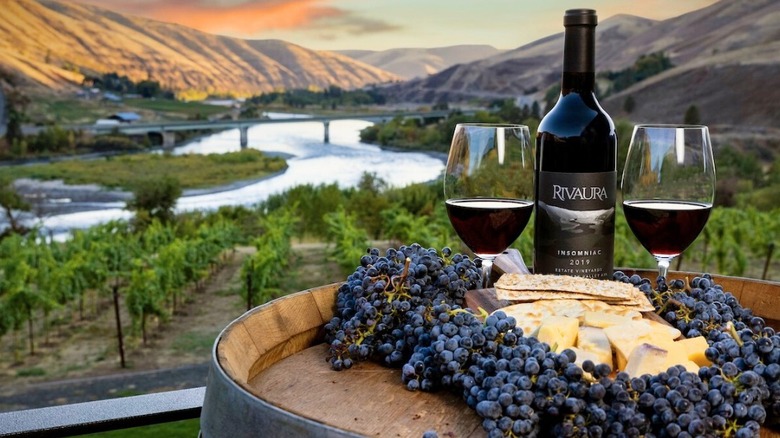
Idaho's diverse climate and terroir are favorable for growing both white and red grapes, with over 20 different varietals planted. Riesling is the most prolific white grape with 105 acres planted, followed by Chardonnay and Viognier, although some winemakers are experimenting with varietals like Gewürztraminer, Pinot Gris, and even Albariño and Verdejo, both great varieties to try if you're a fan of Sauvignon Blanc. When it comes to red grapes Merlot is the most planted, but Syrah, Cabernet Sauvignon, Tempranillo, Cabernet Franc, and Malbec are also widely used. Idaho wineries also produce Bordeaux-style blends and ice wine from frozen white grapes.
Other varietals, like Pinot Noir, Barbera, and Grenache are starting to pop-up from innovative wineries that are pushing the boundaries of what Idaho grapes can yield. Some wineries are even more specialized. Named after the number of whitewater river miles within the state, family-owned 3100 Cellars exclusively produces sparkling white and rosé wines, using Chardonnay, Syrah, and even Mourvèdre and Gewürztraminer.
Sustainability is at the heart of Idaho's wines
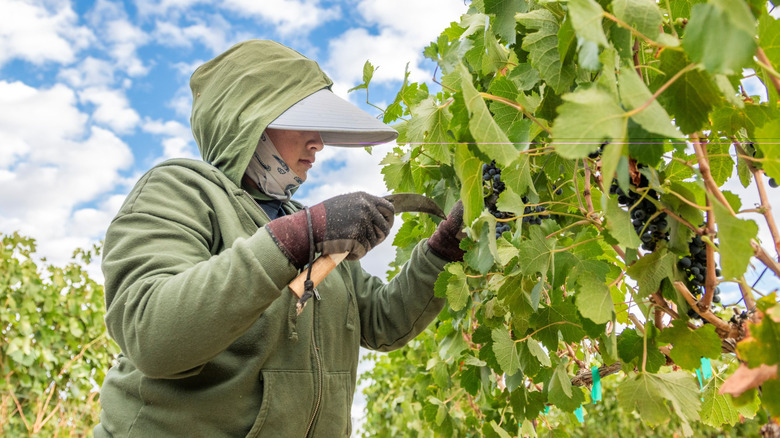
Many Idaho wineries are leading the way in sustainable viticulture, paying special attention to protecting and preserving the land for future generations of winemakers and drinkers. For instance, Hells Canyon Winery, the oldest wine grape vineyard in Idaho, recently became the first to use solar power in its day-to-day operations, while others like Indian Creek, Holesinsky Winery, and 3 Horse Ranch Vineyards have chosen organic and natural agricultural practices, as well as hand pruning and harvesting.
Indian Creek, alongside Bitner Vineyards, has also planted pollinator gardens, providing food and habitats for bees and butterflies to support vineyard health and biodiversity. Kerry Hill Winery goes a step further, not only as a bee-friendly vineyard but by providing native plants, flowers and shelter for owls, bats, and raptors in gardens certified as Wildlife Habitats by the National Wildlife Federation. In addition, 3100 Cellars, Bitner Vineyards, and Kerry Hill also hold Salmon-Safe certification, given to vineyards that reduce agricultural runoff, protect water quality, and promote biodiversity.
Idaho's best known and up-and-coming wineries
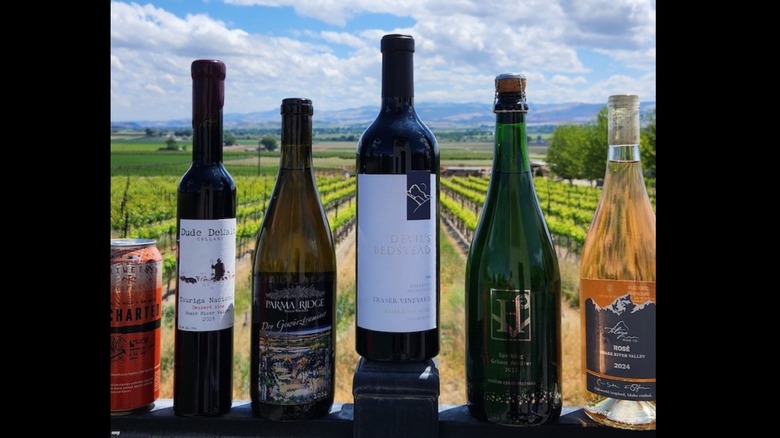
Idaho's wineries are led by winemakers who are as committed to their work as they are innovative. One of the most esteemed is Meredith Smith, who oversees production at both Ste. Chapelle, the state's oldest winery still active and prominent, and Sawtooth Winery, both award winners at the 2025 Idaho Wine Competition. Greg Koenig, who sold his family's Koenig Vineyards in 2019, won best in show with his 2020 Cabernet Sauvignon — made with grapes from the famed Fraser Vineyard — from his yet-to-open Devil's Bedstead winery.
Other notable wineries include Huston Vineyards, recognized for it's sparkling Grüner Veltliner; Parma Ridge Winery, which won double gold with its 2020 Cabernet Franc; Telaya Wine Co., one of the urban trail wineries which earned a medal for the 2024 Rosé; and Dude DeWalt Cellars, a picturesque winery in Eagle which took the gold for its 2021 Touriga Nacional dessert wine. And Will Wetmore, a maverick winemaker who leads the offbeat Veer Wine Project, took home the top award in 2023 and 2024 at the Cascadia International Wine Competition in Washington. Idaho wines have topped this prestigious competition four years in a row, proving that the Gem State is a serious contender in the wine world.