

A California Law Will Change How You See Menus Beginning July 2026
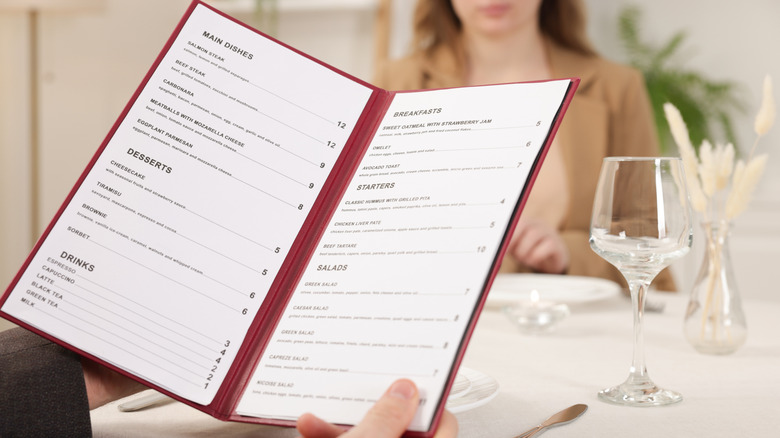
A new law that's due to come into effect this year is set to change how menus are presented across many California restaurants. The Allergen Disclosure for Dining Experiences Act (ADDE) will require food facilities to provide written notification if any of the nine major food allergens are to be found on a menu item, either directly in the description or through a digital format via a QR code.
The law was part of a state senate bill that called for the amendment of the California Retail Food Code. The bill was signed by Governor Gavin Newsom in October 2025 and it comes into effect this July. That means from this summer forward, Californians can expect to see milk, eggs, fish, shellfish, tree nuts, peanuts, wheat, sesame, and soybeans listed as an ingredient on major restaurant menus. The rule will apply to chains with more than 20 locations, and if it isn't followed, a misdemeanor offence can be issued.
First of its kind
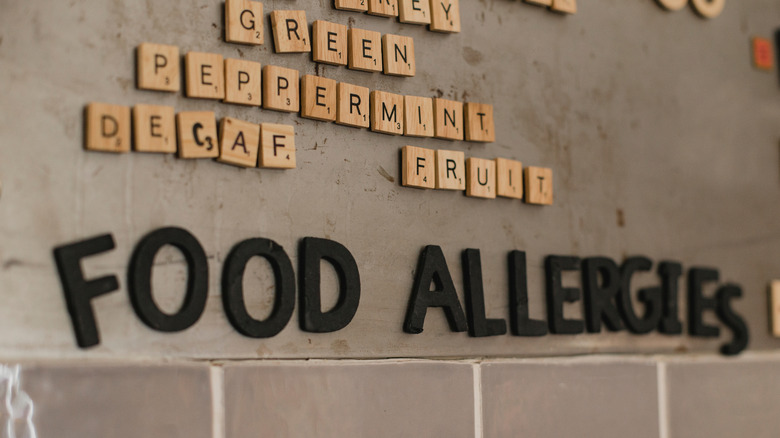
There are similar federal requirements in place for packaged foods, but the Allergen Disclosure for Dining Experiences Act is the first of its kind in the United States. Many are hoping that it might inspire other states to follow suit. An estimated 32 million Americans have been impacted by rising food allergies rates, according to the National Institutes of Health, and 25% of anaphylactic reactions occur at restaurants.
The bill was actually inspired by a nine-year-old girl, Addie Huey Lao, who advocated alongside her mother Robyn for a way to make things safer for people with allergies to dine out. The mother-daughter team partnered with California State Senator Caroline Menjivar to bring the idea of mandatory labeling to the capital. Menjivar, who suffers from food allergies, said in a statement, "I couldn't believe that I, a person who has been hospitalized multiple times after unintentionally eating food I am allergic to at restaurants, had not thought to author this bill already ... I know the 4 million Californians with food allergies, and their families, will enjoy the increased peace of mind." Cross-contamination is always still possible at restaurants, and smaller businesses will not be impacted by the new rules, but many feel that this is a major step in the right direction for those with food allergies.