

California Cracks Down On Food Delivery Apps In 2026, With New Protections For Your Money
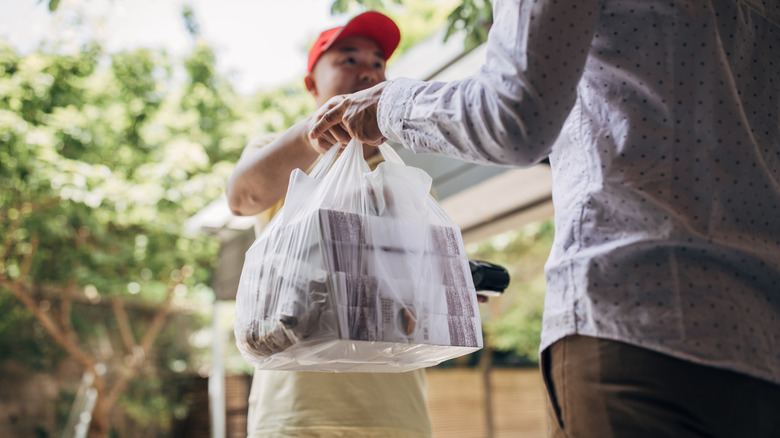
Food delivery platforms like Uber Eats and DoorDash are fast and easy to use, even if they usually cost more than ordering directly from the restaurant and picking up the order yourself. Although convenient, human error is still a large factor in the success of these sometimes-controversial food delivery platforms, and orders can often go wrong or arrive incomplete and missing items. In the past, Californians, like most other residents in the United States, were usually given in-app credits to be used in the future for a botched order, rather than a direct refund. But as of January 1, 2026, a new law went into effect in California, launching even more protections for customers and delivery drivers.
Signed into law by Governor Gavin Newsom in October 2025, Assembly Bill 578 requires food delivery platforms to refund customers' money directly for incorrect or uncompleted deliveries, rather than offering in-app credits in lieu of a cash refund. Introduced by California State Assemblymember Rebecca Bauer-Kahan, AB 578 was aimed at strengthening California's existing Fair Food Delivery Act of 2020, which was spurred by the COVID-19 pandemic's detrimental effects on the restaurant industry. The bill "provides protections and transparency for delivery people's compensation and establishes refund protections for consumers." Additionally, the bill mandates that customers of food delivery platforms be able to access a "natural person" via customer service if an automated chatbot can't quickly solve an issue.
AB 578 benefits customers and workers alike
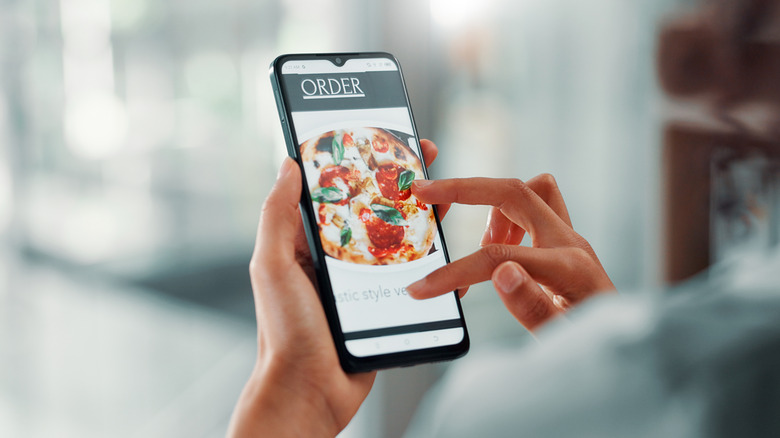
Assembly Bill 578 requires that delivery platforms "provide a full refund, including all taxes, commissions, fees, and gratuities" back to the customer for orders not delivered or for an incorrect order delivered. In a win for delivery drivers as well, this part of the bill requires that the gratuity refunded to the customer will not be taken back from the driver. The food delivery platforms are additionally required to allow the refund to go back to the original payment method.
The bill also requires that delivery platforms prorate fees and taxes based on the partial order received if the order is missing items. In addition to this proration, the food delivery platform must also allow the customer to adjust the gratuity amount after the incorrect delivery. AB 578 also mandates that the platforms must clearly disclose an "itemized breakdown of the pay received for a delivery" to the delivery person, which includes not only the gratuity but also the base pay and promotional bonuses.
It should be noted that the bill is supported by both Uber and the California Federation of Labor Unions, two groups that have historically been at odds with one another. The bill is another boon for both consumers and workers in a state known for its strong worker protections. This isn't the Golden State's first push for food-related protections, as the state has passed bills that majorly benefit street food vendors as well as protections for fast food workers.