

2026's Wellness Kitchen Trend Is Coming In Hot

Kitchen trends come and go, but one thing remains constant: In most homes, the kitchen is a well-lived, well-loved space where life happens. It may be utilitarian — putting meals on tables to fuel the day — but it's much more than that. It's where we plan, cook, eat, dream, contemplate the day's beginnings and ends, and share life's moments both good and bad. As such, it's hardly surprising that a relatively new trend called the "wellness kitchen" is coming in hot for 2026. It does include healthy eating, of course, but that's only a sliver of a much bigger pie, one that reformulates concepts of true wellness in all parts of life.
The "wellness kitchen" is first and foremost a space designed to make healthy choices easier, and unhealthy defaults harder. This can be achieved by purposefully shaping your kitchen environment and all that entails, from storage to workflow, intentional layout, reduced clutter, functional kitchen tools, efficient appliances, soothing ambiance, sensory comfort, and even your mindset about food itself. Instead of treating wellness as a separate entity, the trend frames the kitchen as a daily self-care space of sorts, supporting mindfulness, emotional well-being, better habits, and cooking as a way of healing.
That's a lot to ask of a kitchen, which is already the workhorse of daily life. But it's a lot easier than you might imagine, requiring mostly shifting perceptions plus determination for pulling it all together. Here's a few steps to take, some simple, others bold, and all achievable if they ring true for your home.
Facilitating wellness kitchens in simple ways
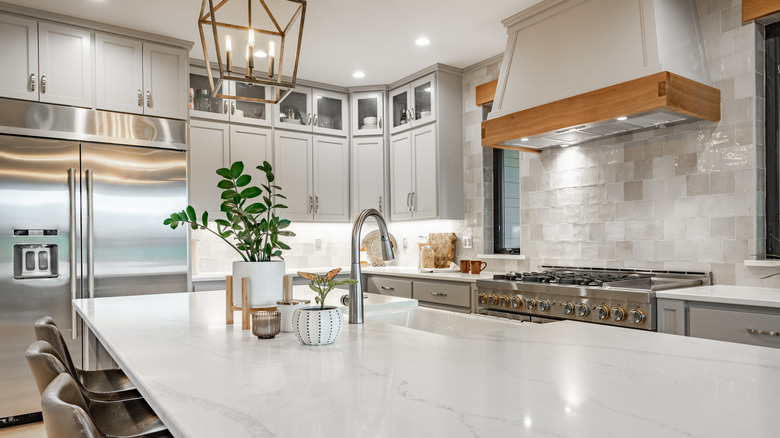
Rest easy knowing that there's no need to make major investments at first or to create a wellness kitchen in one fell swoop — slow, steady, and cognizant is the path to your own interpretation of this trend. At its core, a wellness kitchen removes friction points that keep you from cooking nourishing meals, including cramped food-prep areas, hard-to-reach pantry staples, poor lighting, or disorganized clutter that makes cooking feel stressful. Wellness-focused kitchens tend to first pay attention to features that improve everyday health, which can include things like better air flow, cleaner water, more natural or transitional light, and design choices that facilitate healthy routines — ones that are easier to establish and maintain.
One practical way to get things started is by creating easy access to fresh ingredients, which encourages cooking healthier meals. Storage and visibility are key here: When produce is easy to see and grab, instead of hidden behind clutter, you'll be more likely to use it. Open shelving is a simple way to avoid this "out of sight, out of mind" conundrum. There are a number of clever storage spaces you are ignoring in your kitchen right now, and dedicating these spaces also keeps fresh foods front-and-center, as easy to grab as pre-packaged and canned goods. This could be an extra small refrigerator or just reorganization of existing refrigerator bins and drawers.
Consider swapping in see-through drawers and shallow, tiered display shelves to spark meal ideas. The next focal point won't cost you anything, but could be the hardest one to implement and maintain.
Clutter-free, mindful, and meditative kitchens
The ever-dreaded clutter syndrome can overshadow all your efforts in creating a soothing, mindful, healthy kitchen space. Decluttering requires no money investment, but a firm commitment to open spaces. Tidy and clean is the way to go: Think clear counters with fewer visual distractions, as well as second pantries and what's known as separate kitchen zones, prep kitchens, or "back kitchens" — which are essentially separate areas for prepping foods before bringing them center stage for cooking. This way, the main kitchen stays calm and functional rather than chaotic and cluttered, and it also supports multiple cooks pitching in for cooking and cleaning.
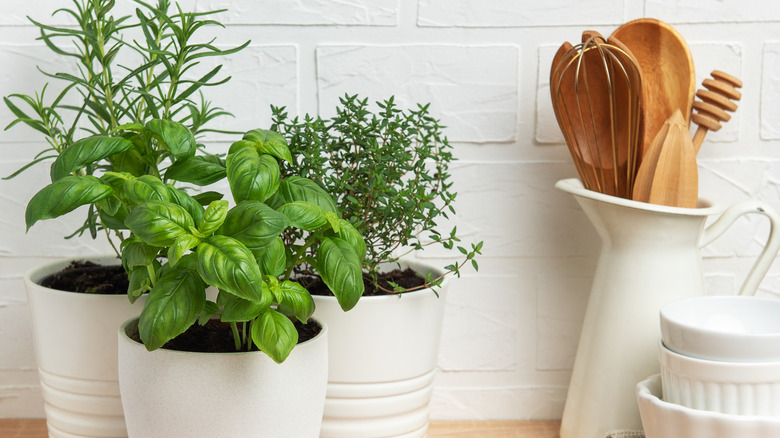
A signature "wellness" move is bringing in living, fresh elements, most commonly through growing herbs and edible plants indoors. The idea is simple: If herbs are within arm's reach, you'll use them more often, thus boosting flavor in meals without using excess salt, heavy sauces, or artificial ingredients. An added plus is bringing an earthy, nature-linked calm to your kitchen. On the flip side, efficient technology contributes as well, creating eco-friendly, calm environments through high-functioning modern appliances, reduced noise, alternative heating such as steam or combi ovens, and built-in filtration systems for clean water.
Beyond the physical setup, wellness kitchens are increasingly tied to "meditative or mindful cooking" — slowing down; paying attention to things like aroma, texture, and repetition; and treating cooking as a mindfulness practice rather than a chore. Having the right components for your wellness kitchen also encourages social connection, an important component of healthy living.