

When Is Dungeness Crab Season?
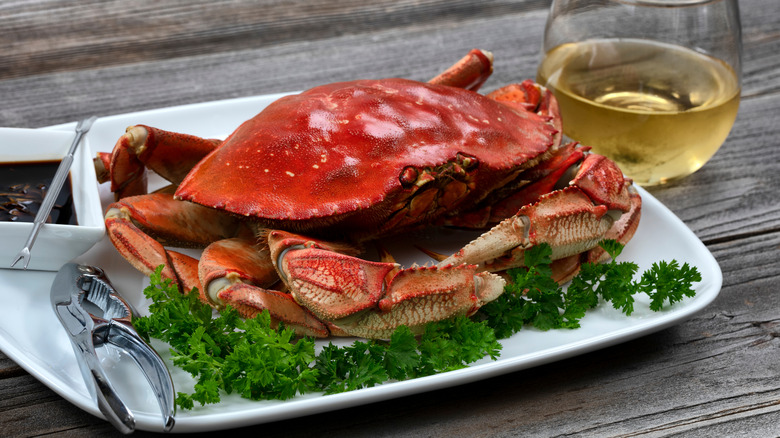
When it comes to the fruits of the sea, few are so prized as a good Dungeness crab. These meaty crustaceans are a fixture of autumn and winter tables up and down the West Coast. Dungeness crab is a favorite for Thanksgiving menus, and Christmas dinners alike, often replacing the turkey and ham typical in other places. But the commercial season for these crustaceans is variable and has been shifting considerably in recent years.
The period for harvesting Dungeness crab varies not only by location, but also from year to year. If you include all of the fisheries along the West Coast, the commercial harvest of this prized seafood typically runs throughout the entire year. In any one specific location, however, there is an on-season and an off-season. For example, in Southeast Alaska the typical fall season begins in early October and runs through February, with another shorter season occurring in the summer months. The Kodiak region, on the other hand, has a season that runs from May through December. Between just those two, there is some commercial harvest of Dungeness crab available during most of the year, with the remainder made up by fisheries in the Lower 48.
But Alaska is a long way off for most residents of the U.S., and we all love to support local industries and celebrate the foods that make our home unique. Depending on the fishery, local crabbing seasons are quite different. For example, a typical California Dungeness season gets started in mid-November and runs until around late June. This start date has been delayed many times in recent years, though. This season, the delay has pushed harvest all the way out of 2025, into January of 2026.
Why are Dungeness crab seasons delayed?
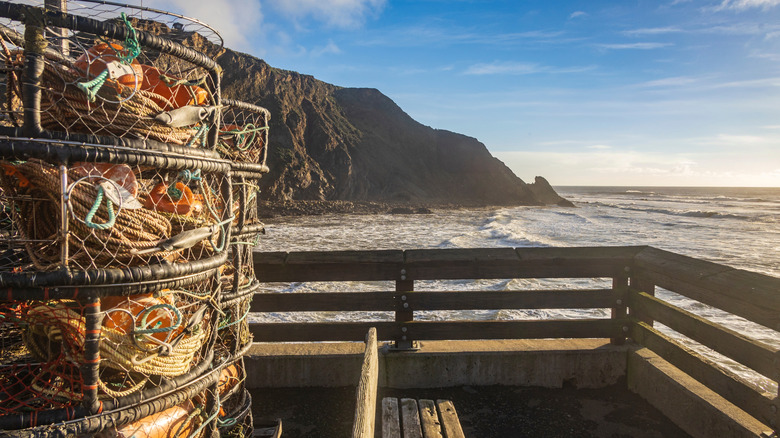
Missing the uniquely delicious flavor of local Dungeness crabs on holiday tables is certainly upsetting to many folks on the West Coast, but California is not alone in its delayed crabbing season. Oregon and Washington delayed the start of Dungeness seasons to mid-to-late December this year due to tests conducted on crabs in Washington fisheries. In order to satisfy commercial standards for the area, the crabs must meet a certain requirement of "meat fill," a measure of how much edible meat is contained in a crab's shell. Unlike other species, Dungeness are not just eaten for their claws, but contain lots of meat throughout the body.
Another common cause for delays is whale migration. Endangered humpback whales migrate up and down the West Coast throughout the year, and have unfortunately been known to become entangled and killed by commercial crabbing gear. To protect these whales and other delicate marine populations, commercial crabbing seasons are often delayed until the whales have travelled to their winter habitats.
A third major impediment for the Dungeness crab fishing fleet is the presence of domoic acid in the crustaceans. Domoic acid is a naturally-occurring neurotoxin that results from algal blooms, which can accumulate in the crabs, leading to crustaceans that are unsafe for consumption. As a result, careful testing is required before the season kicks off to ensure that harvested crabs are safe to eat.
Future challenges for West Coast Dungeness crab fisheries
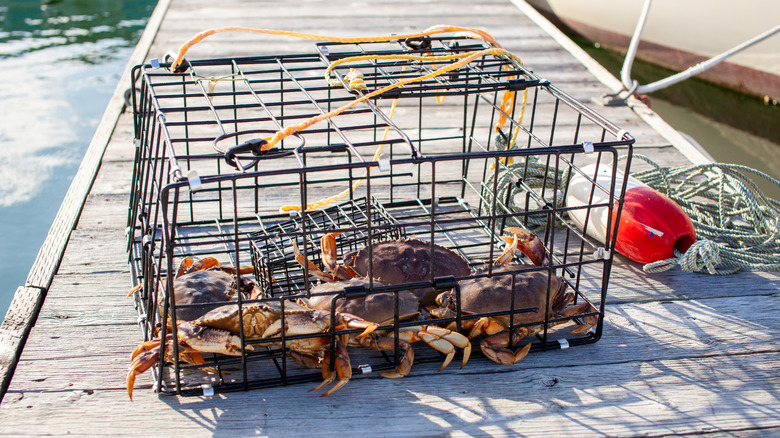
Unfortunately, it does not look as if the problems facing these fisheries will abate any time soon. In fact, they may get much worse. Dungeness crab is an incredibly important part of the commercial seafood industry along the West Coast, representing an annual economic value ranging between $80 to $220 million. While the species has long been important to both the wallets and the dinner plates of the region, recent studies have flagged Dungeness crabs as facing increased risks associated with climate change.
Climate change affects many foods, and Dungeness crabs are no exception. Studies have shown that acidification of the ocean as a result of increased levels of carbon dioxide in the atmosphere may reduce survival rates of Dungeness crab larvae. Both increased acidity and warming ocean temperatures also result in more frequent blooms of algae, including those species that produce domoic acid, meaning that California's neurotoxin-caused Dungeness crab season delays may become a more common occurrence. The most worrying trend for the Dungeness crab population, however, is reduced levels of oxygen in ocean water, which can lead to massive die-offs across large geographic areas.
Each of these factors poses a threat to this treasured food, but the combination of stressors on fisheries is especially worrying. So, while it might be disappointing to have to wait a few weeks longer to fill that steamer basket with meaty crabs, it is of utmost importance that we take care of both the Dungeness crab populations and the ecosystems in which they live, so that we can continue to enjoy this favorite seafood for many years to come.