

The Foods Where Salmonella Can Be Found Lurking
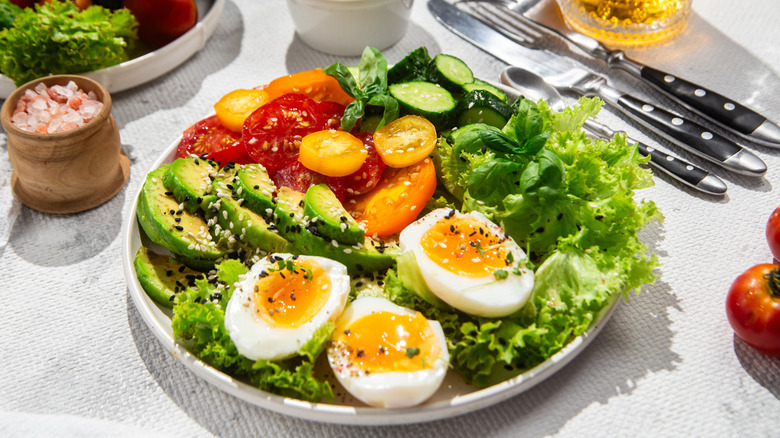
It's been drummed into most of us that we need to make sure our chicken is fully cooked to avoid food poisoning. Yet this isn't going to be enough to completely protect you from salmonella. It's true that raw poultry and unpasteurized eggs are the most common causes of salmonella infections, but the bacteria in question can be found in almost any uncooked food. Salmonella bacteria live in the intestinal tract of animals — which is why meat, eggs and milk are the usual culprits for food poisoning — but they're spread via feces.
What makes the bacteria so prevalent is that they can survive for weeks or even months in soil and water. This is the reason why some of the worst salmonella outbreaks come from fruits and vegetables. Produce grown in infected soil, fertilized with manure, or irrigated with water that contains the bacteria will be potential sources of salmonellosis. In the case of sprouts such as alfalfa, it's believed that the seeds themselves can be infected, so you can still be at risk even if you grow them with clean soil and water. This is all before you get the food in the kitchen, where there's the potential for cross contamination.
Any food you handle after touching raw meat, or any food you place on a cutting board where you've prepared contaminated food, could theoretically give you food poisoning — even if it was previously cooked or processed. Luckily, there are some ways to reduce the risk of salmonella at home.
How to reduce your risk of salmonella
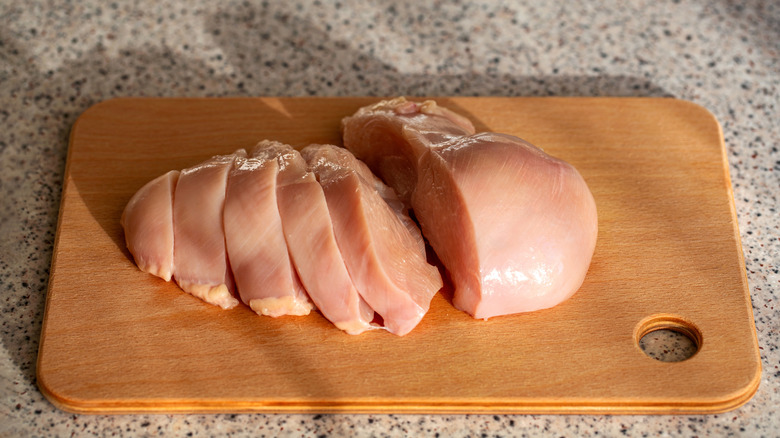
Reducing your risk of food poisoning is all about following standard food safety rules. In the case of meat, and especially chicken, you'll need to ensure that it's cooked to a safe internal temperature. Eggs in the U.S. should be refrigerated to prevent the growth of bacteria, and if you want a soft boiled egg or Hollandaise sauce, consider using pasteurized eggs.
You don't have any control over how fruits and vegetables are grown or processed, but imported produce has been shown to be more at risk. Cooking will kill off the bacteria that leads to illness; if you want to eat your vegetables raw, they should be thoroughly washed and peeled where possible. Even bagged salad greens that are labeled "pre-washed" should be washed again.
When storing and preparing food, it's all about separating the raw and the cooked, as any bacteria on the raw food can contaminate the food that you may think of as safe. This means keeping raw meat or poultry away from other foods in the refrigerator, as well as washing cutting boards and utensils thoroughly. While it might seem counterintuitive, avoid washing raw chicken before you cook it, as the spray of water can spread bacteria to the sink and surfaces nearby.