

In This Country That Drinks Massive Amounts Of Milk, Dairy Is A Way Of Life
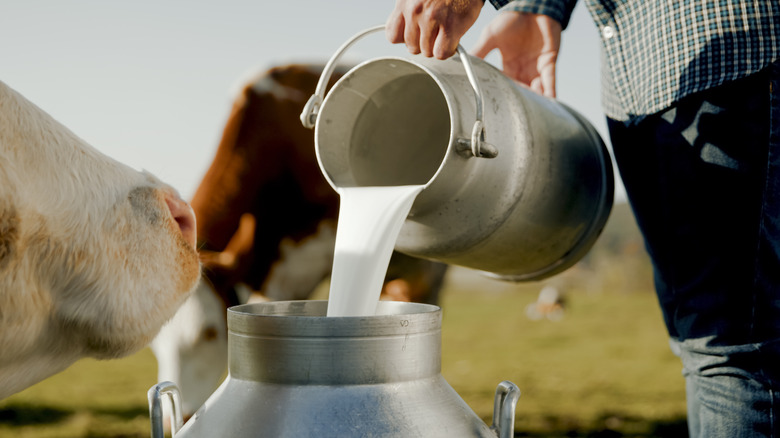
India consumes a lot of milk. Start your day with a glass of milk for strength, and end your day with a glass of milk because it helps you sleep. How much milk you mix in your tea or coffee is a sign of prosperity. How much milk you mix in your guest's tea or coffee is a sign of your generosity. Turmeric milk will fix you when you're under the weather. Almond milk is good for the brain. Needless to say, this relationship extends to all forms of dairy, which is seen less as an ingredient and more as a way of life.
According to a recent report by a global market research consultancy, while India isn't the leading consumer of milk, it is leading the growth story. India's per capita consumption of milk grew exponentially in the last decade, from just over 100 kg per capita in 2014 to over 160 kg per capita in 2024. For context, consumption in America and Europe has stayed largely steady through this period.
What does this mean on the plate? The list of most popular Indian dishes in the United States is predictably headlined by biryani, chicken tikka masala and samosas. But in India, every meal, regardless of the time of day, is likely to have at least one dairy-forward element. Paneer, or Indian cottage cheese, forms an integral part of breakfast in the form of parathas (stuffed bread). Yogurt is used to marinate a wide variety of meat dishes. Milk is used to make curries. Hot ghee is used for tempering — a step that adds new depth of flavor to spices. Lassi and buttermilk are popular drinks that are had either alongside meals or in between them.
Turning milk into magic
Don't forget the world of desserts. While the use of milk in desserts is hardly unique to India, there are a couple of methods that are fairly distinctive. The first is "khoya" (which is also known as "mawa"), or sweetened milk solids. Milk and sugar are simmered on a very low flame, while being constantly stirred, until the mixture turns into a mildly caramelized fudge. This "khoya", delicious as it is in itself, is used as the base for a whole universe of desserts from Indian fudges such as pedhas and barfis to puddings like halwa and fried dough delicacies called gulab jamun.
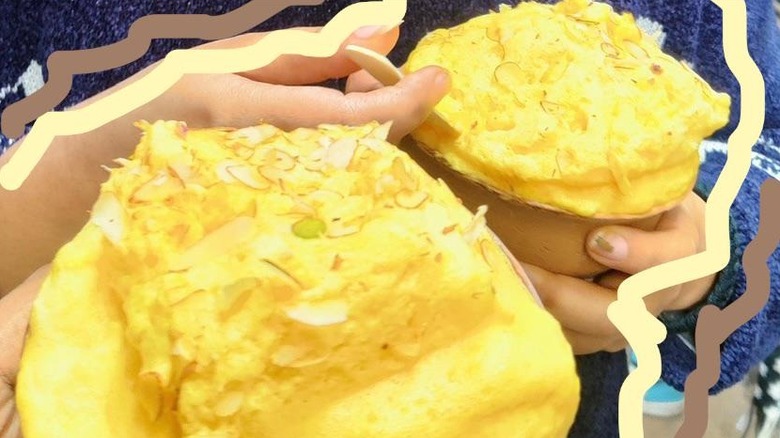
The second is a traditional winter dessert called "Malaiyo" or "Makhan Malai", both derived from the Hindi word for cream. This dessert is essentially a sweetened milk foam made through a process that can best be described as romantic. Milk is boiled, combined with cream, sugar, spices and then left outdoors in large pots overnight. The mixture reacts with winter dew drops. This is then churned in the morning to form a layer of flavored yellow foam that's scooped out and served in earthen pots. In India's capital, New Delhi, this dish is called "Daulat ki Chaat", which literally translates as "snack of wealth".
Then there's "chhena", an ingredient that is made by adding an acidic substance to split milk then draining it to create a soft cheese. This cheese is then used as the centerpiece of desserts such as sandesh, rasmalai and rasgulla.
How India fell in love with dairy
India's love affair with dairy can be attributed to two factors. First, dairy products are closely linked with religion, and purity by extension — from Gods that loved their ghee, to milk and ghee being used as divine offerings in several religious rituals. Second, and more importantly, in a country with a large number of vegetarians, dairy is a key source of protein and fat. In fact, the Indian government set up the National Dairy Development Board more than half a century ago to revolutionize the dairy industry.
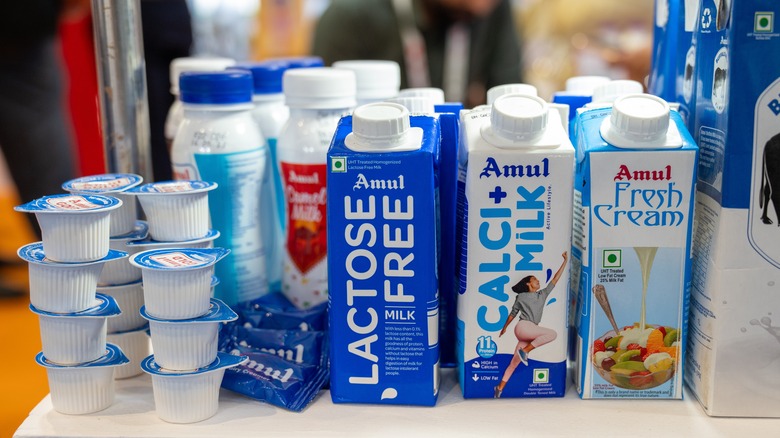
The NDDB launched Operation Flood in 1970, which saw India's milk production go from 22,000 tons a year to 140,000 tons a year in a short, two-decade span. There's been no slowing down, and today, India is the largest producer of milk in the world. The 239 million tons it produced in 2024 accounted for 22% of the world's output, and the dairy market in India was valued at $131.5 billion in 2024. Amul, a brand that has been part of India's dairy story since before Operation Flood, launched in America in 2024.
This latest beneficiary of this investment into the dairy business is the small-batch, artisanal cheese industry. Where cheese consumption was once restricted to paneer, which is a fresh cheese made with curdled milk, cheese today you'll find local takes on everything from cheddar to parmesan and gouda to edam. These known varieties are often given a distinctly Indian twist with the addition of cumin seeds or green chilies. In short, Indian cuisine's relationship with dairy goes far beyond the butter in your favorite butter chicken recipe.