

16 Best Groceries To Buy When You're On A Tight Budget
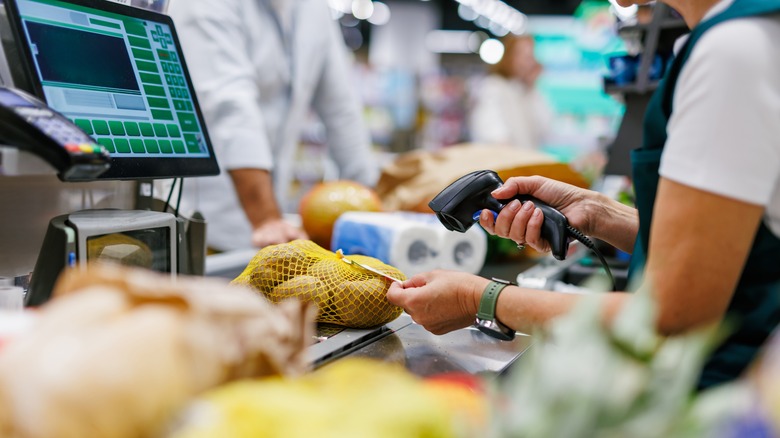
With the price of groceries constantly rising, many of us are needing to tighten the financial belt by being more selective during a shopping spree. Being frugal doesn't necessarily mean buying less or choosing the cheapest items, as selecting food that will fill you up and reduce craving for other foods can also lead to spending less on food overall.
Protein and fiber are both responsible for keeping us full and balancing blood sugar levels, so foods that contain both are great frugal options. From legumes such as beans and lentils, to grains like rice and oats, there are plenty of grocery staples that can give you the nourishment you need without breaking the bank. Even meat doesn't need to be off limits entirely. With a little forward planning and choosing cheaper cuts that are versatile and freeze well, saving money doesn't need to mean missing out on your favorite meals. Let's take a look at 16 of the best groceries to buy when you're on a tight budget.
Beans
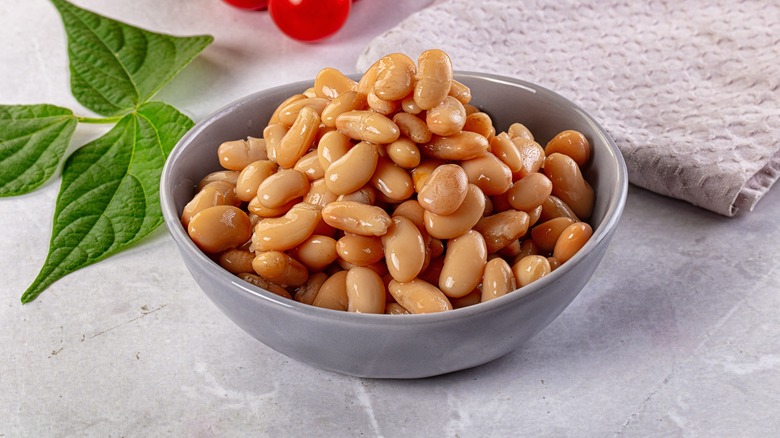
If you are looking for food to keep you full that doesn't cost a fortune, beans should be near the top of your list. Protein and fiber are both responsible for keeping us satiated and preventing hunger, and beans are rich in both.
All beans contain both soluble and insoluble fiber, with navy beans packing around 19 grams per 1-cup serving. This is more than half of the recommended fiber intake for the day, meaning that one dish containing navy beans is sure to keep you feeling satisfied and prevent you heading to the grocery store later in the day for an impromptu snack.
The affordable price of beans makes them an even more attractive option. If you are willing to cook them from scratch, dried beans are very economical, and their long shelf life means little chance of wastage too. Dried beans cost around 20 cents per serving, making them an incredible, filling option when money is tight. Even canned beans are cheap enough to make them a staple part of your weekly meal plan, and there are so many tasty options to prevent you getting bored. From baked beans in tomato sauce as a side dish to a spicy black bean soup, this ingredient is the key to affordable meals that keep the whole family happy.
Rice

Rice is a staple in many cuisines across the world, and for good reason. It is cheap and filling, and its versatility means you can create various delicious meals without it becoming mundane. Rice expands when it is cooked, meaning a 2-pound bag could cover more than 15 servings. At rice can cost less than 5.5 cents per ounce, making it one of the cheapest pantry staples around.
Brown rice is an excellent source of complex carbohydrates, meaning it will give you a gradual boost of energy without spiking your blood sugar too much. Wholegrain rice also has more fiber, keeping you full and reducing the amount of food you will need later in the day. Buying rice in large bags is inexpensive, meaning you can keep it in your pantry and always have a cheap, adaptable ingredient to serve for dinner.
No matter what cuisine you love, there is bound to be a rice dish to keep you happy. From stir fries and soups to sushi and paella, take the chance to experiment with this affordable grain and find a few go-to dishes to become your favorites.
Whole chicken

When you think about budget groceries, it is easy to assume that meat won't feature due to its price. If you buy a whole chicken and use the various cuts throughout the week,however, you can absolutely include animal protein in a frugal meal plan.
To include chicken in an affordable way, a change of approach may be required. Instead of buying only the premium cuts such as breast at a high price point, see the whole chicken, including the carcass, as an opportunity to add meat to your meals. As long as you use all of the meat and the carcass, a whole, uncooked chicken represents value for money.
If you are comfortable joining the chicken, you can separate it into breasts, thighs, drumsticks, and wings, which will save money compared to buy each of these separately. This strategy is only cost-effective if you use all of the meat from the bird, to add protein to lunches and dinners throughout the week, or freezing to keep for a later date.
Oats
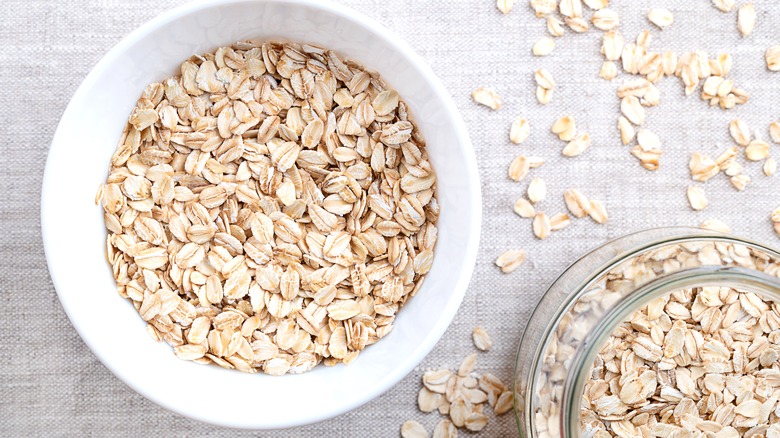
For an economical breakfast that will give you a great start to the day, opt for oats. As a whole grain, they represent a healthy option, and there are many ways to adapt them to suit your mood. While the price of oats had been climbing since the start of the decade, December 2025 saw the price hit a five-year low, making oats a frugal breakfast option. Buying oats in bulk can represent a saving compared to small bags, working out at less than $2 per pound, compared to individual instant pots which can cost more than $9 per pound. This also works out around half the price per 1-cup serving as a standard serving of a box of high-fiber cereal.
Oatmeal is a classic way to enjoy this filling grain, and it only takes a few minutes to make a steaming hot bowl first thing in the morning. If your time won't quite stretch to that, overnight oats are an excellent way to pre-prepare your breakfast without losing out. You can add honey and a sprinkling of cinnamon for added flavor without expensive berries, and can even add some cocoa powder to create an easy dessert.
Oats are also the backbone of many homemade sweet snacks, allowing you to skip the expensive trip to the vending machine during your break. Flapjacks, cookies, and energy balls can all be made up in advance, allowing you to quickly grab them from the fridge whenever hunger pangs strike to avoid paying over the odds for store-bought versions.
Pasta
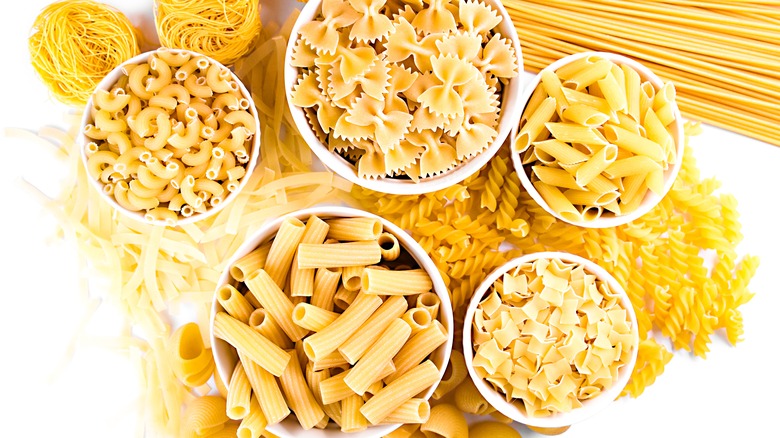
If you want to create delicious meals for the whole family without overspending, pasta is the way to go. Dried pasta is not expensive, and can serve as a vehicle for a range of different sauces and flavors. A little pasta goes a long way, and you can combine it with other frugal ingredients, or more luxurious ones, depending on the occasion and how far you need to stretch the budget.
For an after-work meal that takes little effort, it doesn't get much simpler than tomato pasta. A can of tomatoes, a clove of garlic and a handful of fresh herbs will result in a tasty sauce to add to whatever pasta shape you wish. For a more filling option, pairing the tomato sauce with ground meat means a spaghetti Bolognese or lasagna can be easily created for a satisfying family meal.
Adding pasta to soups and salads also helps to bulk them out without expensive ingredients, meaning your light lunch can keep you full all the way to the evening. With a shelf life of years, rather than months, pasta is a cheap staple that deserves a prime space in your pantry.
Sweet potatoes
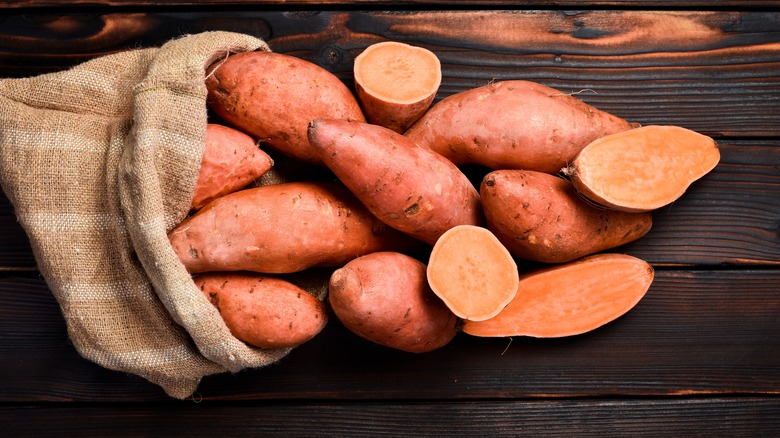
Sweet potatoes may be a little pricier than their white namesakes, but they are packed with nutrition and are an excellent option to keep you full and satisfied. Their sweet flavor means that you can add them to your usual dishes and transform the flavor.
Sweet potatoes are rich in both soluble and insoluble fiber, meaning they will keep you full, particularly if you cook and eat the skin. In spite of their sweet flavor, they don't spike blood sugar levels too much, reducing the chance of cravings later in the day.
They are so versatile, and can be served as a meal on their own, topped with shredded cheese or stuffed with black beans and spinach, or can be incorporated into other dishes. Sweet potato curries and soups are incredibly satisfying, and they are also a great way to start the morning in a breakfast dish.
Seasonal fruit and veggies
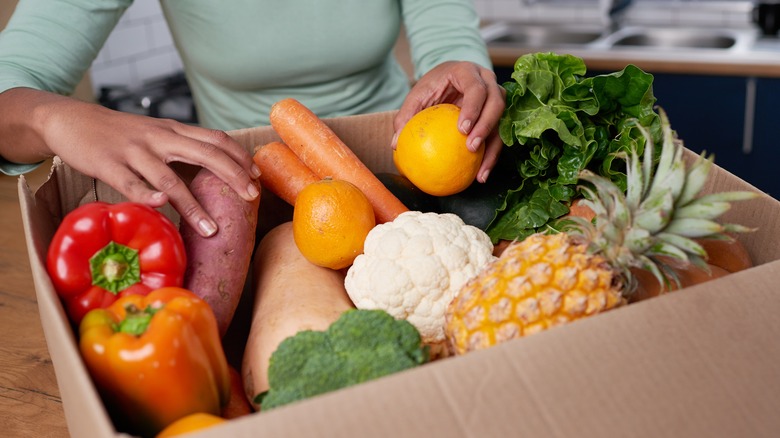
Saving money on grocery shopping is not only about what you buy, but also when you buy it. Seasonal produce doesn't only taste better, it costs less too, since it hasn't travelled thousands of miles before hitting the grocery store shelves.
Learning which fruits and veggies are in season will allow you to enjoy the produce at its peak, and save a few dollars in the process. The added benefit is that you can enjoy different meals and nutrients as the seasons change, rather than the same few staple dishes all year. Think fresh tomato and avocado salads in summer, pumpkin and parsnip soup in fall, and pear and pomegranate desserts in winter.
If you would rather have access to your favorite produce year–round, buy in bulk when they are in season and freeze until you need them next. Most fruits and veggies freeze well, with the exception of high-water produce such as tomatoes and cucumber.
Eggs

Eggs are protein-packed breakfast heroes, but they are capable of so much more than just that, and should be added to your shopping cart if you are on a strict budget. If you have crossed meat off your list in an attempt to save, eggs can provide high quality protein without the huge price at the checkout. Although the price of eggs has increased considerably in recent years, so has the price of meat. Per gram of protein, eggs still represent good value, with beef costing around three times as much per gram.
The reason eggs feature in breakfast dishes is their versatility, and this applies to lunch and dinner too. They are also quick to cook, meaning a tasty, satisfying meal can be on the table with little effort. Frittatas are an excellent way to turn eggs into a full meal, filling it with seasonal veggies, sausage, or potatoes to make sure no one goes hungry.
Canned corn
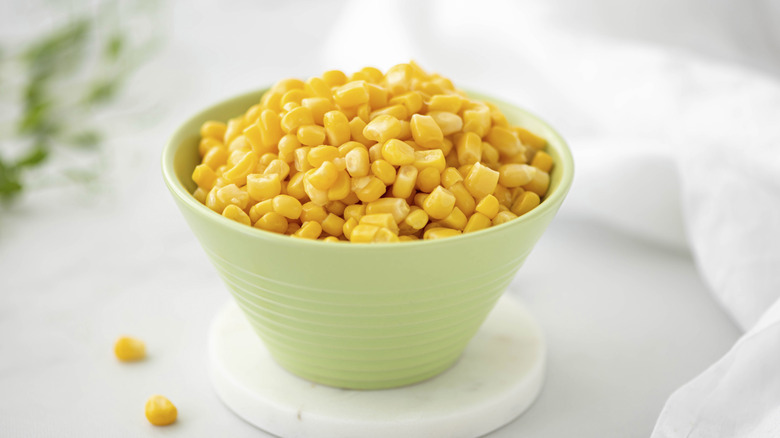
Veggies in cans are fantastic options when trying to save money, and corn is no exception. With a long shelf life and plenty of different ways to cook it, this cheap ingredient can be used to bulk out meals while adding its burst of summery flavor.
Canned corn contains both protein and fiber, the two main components of a filling meal. The fact the corn is cooked makes it so easy to add to dishes such as stir fries, soups, and salads without any extra preparation. You can also whip up some easy canned corn fritters by adding a few pantry staples, to create a fun side dish or tempting snack. Alternatively, you could blitz it up into a creamy dip, and serve with fajitas, nachos, or crudites.
Potatoes
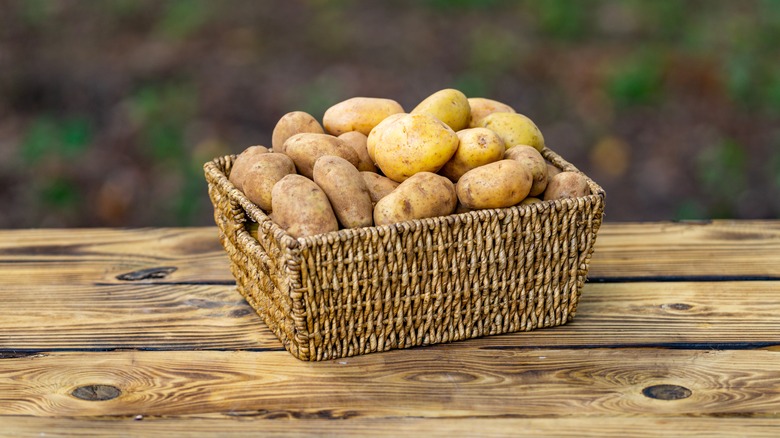
Most of us add potatoes to the grocery list regularly, since they are inexpensive, filling, and easy to adapt. If saving money is your top priority, making potato dishes regularly is a good plan. Storing potatoes well is the key to preventing spoilage, and therefore saving money on wasted food. A cool, dark space means they should last a few months, so a large value bag can feed you for a few weeks without any waste.
The options for incorporating potatoes into meals are endless. Hash browns for breakfast or a jacket potato for lunch mean that they can feature throughout the day, giving you energy from the carbs and helping you to avoid pricier options. At dinner time, you have enough choices to eat a different potato dish every day for a week — mashed, roasted, boiled, or fried, they will complement virtually any dish you can think of. Load them up with your favorite flavors and enjoy cheap spud-based dishes regularly to keep the costs down.
Canned tomatoes
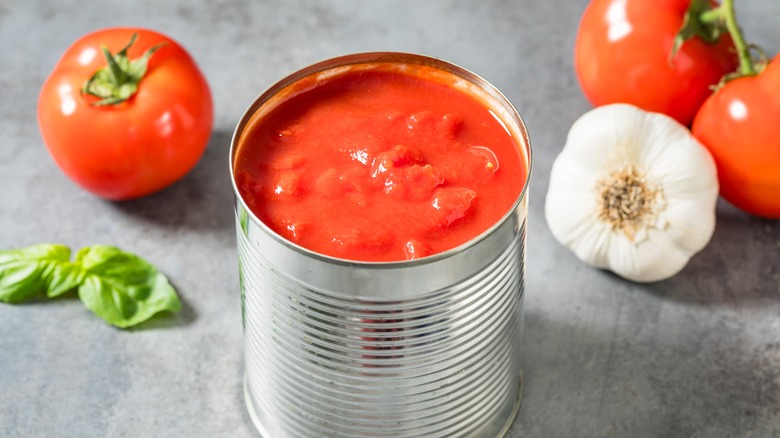
Canned tomatoes should be lining your pantry shelves if you want to make delicious, inexpensive food for the whole family. A backbone of the Mediterranean diet, they can be put to use across hundreds of different dishes, and are a great low-cost way to get the health benefits of tomatoes into your everyday meals. Canned tomatoes cost less than half the price of fresh, and there is even more significant difference when fresh tomatoes are out of season.
The most simple creation from a can of toms is a tomato sauce that can be used for pasta, curries, and stews. It can be ready with just a few minutes of hands-on prep, and can be stored in an airtight container to use in dishes throughout the week. Canned tomatoes can also be served with chicken, in a tagine, or in ratatouille, to give that intense tomato flavor without the need for the fresh version. WIth a few cans of tomatoes in your kitchen cupboards, you will never be short of ideas for low-cost, healthy dinners.
Canned fish
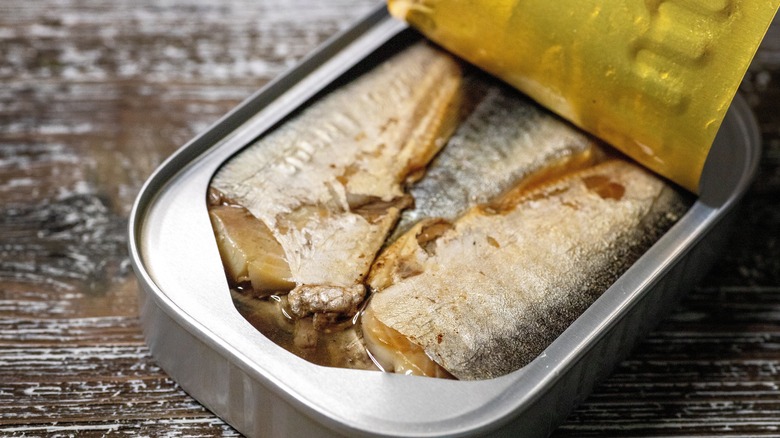
Eating fish is an important part of a healthy, omnivorous diet, but buying seafood is a luxury that your grocery budget may not always stretch too. Canned fish is an excellent alternative, allowing you to enjoy healthy fish in a cheaper, shelf-stable manner.
Tuna is the obvious choice, and it is delicious on jacket potatoes, sandwiches, and salads. There are many other options, however, including salmon, sardines, and mackerel that are just as versatile and pack even more flavor. They also have more healthy fats than tuna, allowing you to enjoy a portion of oily fish for an affordable price.
Making fishcakes with canned fish, or stirring a can through a pasta dish is an excellent way to incorporate these healthy fish if you don't want to eat them on their own. Because it is already cooked, canned fish is the ultimate portable snack too, though your lunch companions may object if you sit too close!
Frozen fruit and veg

Fresh fruits and vegetables are a crucial part of a healthy diet, but their price can be prohibitive, especially out of season. If you are looking to eat produce when it isn't in season and you have room in your freezer, you can save money by buying large bags of frozen fruit instead. According to the USDA Economic Research Service, frozen corn costs less than half the price of fresh, while frozen spinach offers significant savings from fresh bunches. Frozen fruit and vegetables prevent unnecessary food waste from spoilage, which can save money over the long-term.
Contrary to what you may assume, frozen fruit and veg can be as or more nutritious than fresh. Most frozen produce is flash frozen very quickly after picking, preserving the nutrients until you add them to your dishes. Compare this to "fresh" fruit and veg that may have traveled thousands of miles to reach your town, losing nutrients during the journey. Plus, there is no preparation required, making it so easy to add nutrition to your meals with no effort.
Lentils

Lentils are an underrated pantry staple, and are an affordable way to add protein and fiber to your meals. Like beans, they can be purchased both dried or canned, depending on whether you want to save as much money as possible, or balance time as well.
Lentils are packed with iron, a great option if you have had to cut back on red meat as you tighten the budget. They have an earthy flavor that is mild enough that you can add them to soups and casseroles without them overpowering the dish, or they make a tasty side dish on their own. Dried lentils can last for many years unopened, meaning you can stock up if you see a good deal. If you've never had lentils as a side dish before, try these easy spiced lentils to see how versatile they are.
Ground meat
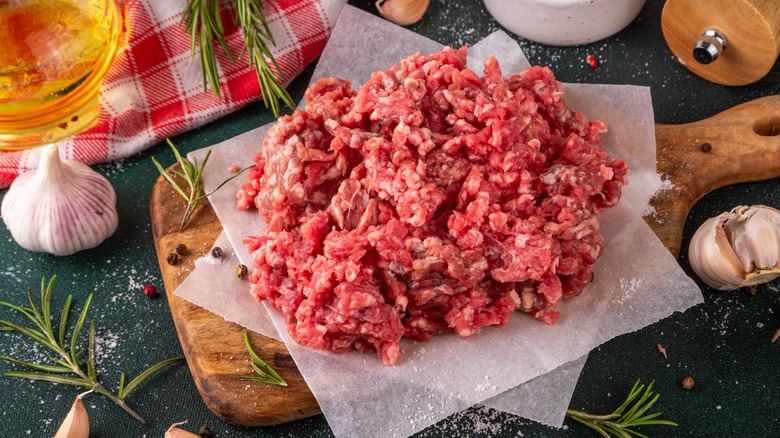
Meat doesn't need to be off the menu when you are shopping on a budget, but you will need to give up the filet mignon in favor of the cheaper cuts. Ground meat can be a relatively inexpensive option, and making your own version of items such as meatballs and burgers can save a lot of money compared to the store-bought version.
Ground beef, turkey, chicken, and pork are all readily available, and can be used to make plenty of tasty meals. All is not equal among the meats, though, with a considerable price difference between the most and least expensive. Chicken is the cheapest, while beef is almost double the price per pound. Turkey and pork take the middle ground, and can make great, tasty beef alternatives across a range of dishes.
Chili con carne is a classic, allowing you to combine a few budget ingredients from this list, including canned tomatoes, beans, and rice for the ultimate low-cost meal. Tacos, casseroles, and burgers are all tasty options too, and cook quickly enough to make them suitable as a weeknight meal after a long day. If you can find good value large packs of ground meat, you can freeze half for the following week, meaning the meat-lovers in the family don't need to feel like they're missing out.
Tortilla wraps

For a bread product that is perfect for making packed lunches but can also double up as a dinner staple, look no further than tortilla wraps. They are inexpensive and versatile, and serve as a blank canvas that allows you to experiment with various ingredients.
As well replacing a sandwich as a light lunch, wraps are the base for many filling, satisfying dinners. From fajitas to tacos, quesadillas, and burritos, there are plenty of rich, flavor-packed meals you can make if you have a pack of them in your pantry. Breakfast wraps filled with eggs, bacon, and spinach can serve as a protein rich start to your day, or you can add pizza toppings to create a lower carb version of your usual Margherita. Tortilla wraps last for weeks if unopened, and they freeze really well, meaning you don't need to worry about waste if you won't use a whole pack.