

Don't Ditch Outer Cabbage Leaves — Use Them To Make Soup Instead
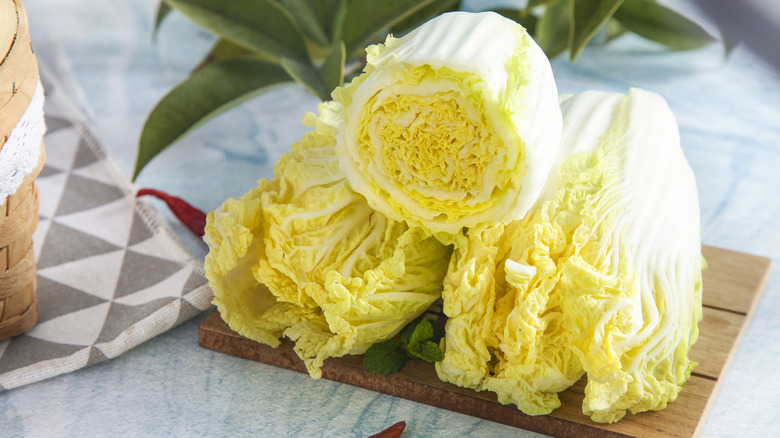
Discarding the outer parts of a cabbage can feel like second nature. Into the trash they go as you're figuring out all the different ways to cook cabbage, unknowingly missing out on the potential for a heartwarming soup. All it takes to coax it out is a bit of simmering, a hearty broth, seasonings, and some patience. Just give them the same attention you give the inner layers, and you will be pleasantly surprised by the magic that's ladled into your bowl.
Yes, outer cabbage leaves are edible. More often than not, we only remove them because they appear bruised and blemished, not to mention the tough, fibrous texture and a significantly more pronounced bitterness. Unappealing as this may sound, you will hardly notice it once the leaves have spent enough time in the simmering pot. That's when they soften into a pliable chewiness, gently crunching under your teeth as they release a vegetal sweetness. The flavors turn more pleasant, albeit with a lingering bitter taste that mingles with the soup's warm undertone. In essence, it's no different than regular cabbage soups, except this time, you're truly tasting cabbage in all of its cruciferous glory.
The soup possibilities are endless
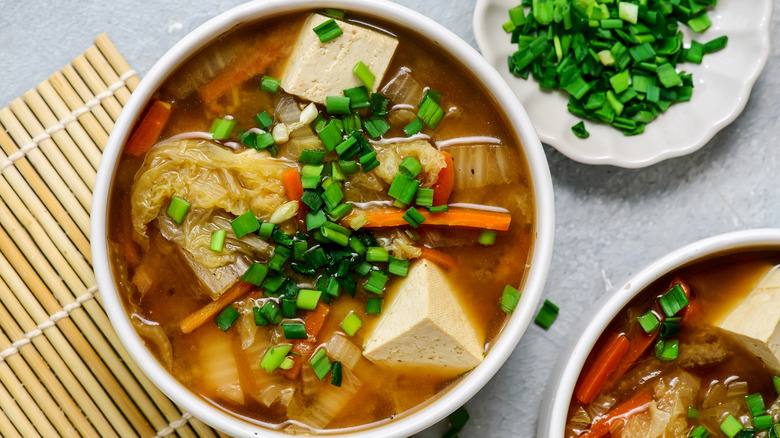
An old-fashioned cabbage soup typically calls for a cabbage head diced into large chunks, but the leaves make a fine replacement in a pinch. This also works for other recipes, such as one filled with beans and lentils, or kapusniak — a Polish dish in which sauerkraut, potatoes, and sausages make for hearty spoonfuls. For those who know and love Japanese cuisine, the infamous cabbage hot pot mille-feuille nabe is an ideal pick. It's layers and layers of cabbage stacked together, with thinly sliced meat in between, drenched in an umami dashi broth. All in all, if you've got a cabbage soup that needs just a notch more flavor and texture, these leaves will elevate it in the flick of a wrist.
Still, there are plenty of other ways to use up cabbage outer leaves, some of which are your key to sprucing up a plain, ordinary soup base. The leaves' sturdiness is great for stuffed cabbage rolls since they firmly hold up the interior, ensuring it won't fall apart after a long period of cooking. Doused in canned tomato soup, these rolls make a perfect main course for winter meals. If you've got no time to make the rolls one by one, just dump everything into the pot for a cabbage roll soup. And we certainly can't forget about Korean kimchi stew, which is arguably the best thing to have on your dining table on a cold night. Once you have made kimchi with the cabbage's outer parts, all that's left to leap into kimchi-jjigae is adding vegetable broth, gochujang, and tofu.