

10 Cheese Storage Mistakes Everyone Makes

If you're partial to a good cheese board or love adding a sprinkling of shredded cheddar, parmesan, or mozzarella to your everyday cooking, cheese is probably a regular in your fridge. Compared to ingredients like meat and fish, you might think cheese is relatively low maintenance when it comes to storage, but it's surprisingly easy to slip up. Whether creamy, tangy, or nutty is your vibe, it's worth making sure you're storing your cheese correctly, and there are some common mistakes we see again and again that can significantly affect its flavor, texture, and overall freshness.
Different cheeses can have slightly different needs, but many of these storage recommendations are universal. By taking the correct approach to wrapping and chilling, you can prevent mold growth, stop the cheese from absorbing unwanted odors, and keep it from getting slimy or drying out. With a few simple techniques, you'll keep your cheese in its prime for longer, so you can enjoy every last shred, wedge, or slice and cut down on food waste.
Keeping it in the original packaging

Have a quick browse of the cheese section and you'll see that many products are packaged in the same way — vacuum-sealed in plastic. Before the cheese has made it into your kitchen, this storage method is ideal. It keeps air and bacteria out, ensuring the cheese stays fresh until you open it up. And, once the seal has been broken, most people simply leave the cheese inside the partially-opened plastic. However, this is not the best approach.
When cheese is stored in plastic packaging, excess surface moisture can build up, creating the perfect conditions for mold growth. Cheese also releases ammonia gas during the ripening process, and if it's wrapped too tightly, the gas has nowhere to go. Ammonia then gets reabsorbed into the cheese, yielding an unpleasant taste. So, rather than popping the wedge snugly back into the plastic, reach for some cheese paper instead. This breathable material reduces moisture buildup but also creates a barrier between the cheese and the air. If you can't get your hands on cheese paper, parchment paper, or wax paper will also do the job. Once wrapped, pop the cheese into a sealable plastic bag, or follow with a loose layer of plastic wrap. This will prevent dryness without suffocating it. This method is best suited to hard and semi-hard cheeses, as some fresh cheeses fare better when stored in brine.
Storing it in the fridge door

To keep your cheese as fresh as possible, you'll want to ensure it's being stored at a consistent temperature and humidity level. You might assume that the fridge door is an ideal spot, but when stored here, cheese is most susceptible to changes in these conditions, which inevitably occur each time you open the door. When refrigerating cheese, keep it in a less exposed area, such as the crisper drawer. Here, both the temperature and humidity are more consistent than in other areas, making it the perfect spot for maintaining optimal texture and flavor, and keeping your cheese at its prime.
According to the USDA, our fridges should be set to a temperature of 40 Fahrenheit or lower, as this will slow the growth of potentially harmful foodborne bacteria. Additionally, if you're temporarily removing cheese from the fridge, perhaps to place on a cheese board, make sure any leftovers are refrigerated again within two hours. Stored correctly, hard cheeses like cheddar and parmesan will keep well in the fridge for up to four weeks after opening. Soft cheeses, such as ricotta and brie, have a shorter shelf life of around one week, due to their higher moisture content.
Leaving it exposed to the air

While it's crucial not to suffocate your cheese in plastic wrap, you also don't want to leave it completely exposed to the air. There's a fine balance between keeping the cheese fresh and mold-free and not letting it dry out, which can lead to an unpleasant, dry, tough texture. That's why wrapping your wedge or wheel in a breathable material is ideal, as this method allows just the right amount of moisture to escape from the cheese.
When left open to the air, soft cheeses like brie and Camembert will dry out more quickly than hard cheeses. Soft varieties naturally have a higher moisture content, and maintaining this during storage is crucial to preserving that irresistibly creamy texture. As moisture leaves the cheese over time, it begins to harden and lose flavor, and improper wrapping will speed this process up. Air exposure can also cause oxidation, which might leave your cheese discolored. Fresh cheeses, such as mozzarella and feta, boast an even higher moisture content, and also require careful storage techniques to prevent drying (we'll get to that later!).
Storing it close to foods with strong odors

Cheese is particularly adept at soaking up odors and flavors from other pungent items in your fridge, such as onions and garlic. It's therefore important to store cheese away from such foods. If you're keeping your cheese in the crisper drawer as recommended, make sure this doesn't leave them nestled amongst the onions (these veggies are best stored outside of the fridge, anyway). Ensuring your cheese is wrapped effectively, using the cheese paper and plastic bag method, will also create a protective barrier to prevent odor compounds from penetrating.
In some cases, you might need to mitigate the odor of the cheese itself. Particularly potent varieties like Roquefort and Camembert are prime suspects for filling your fridge with unwanted smells, and should never be stored unwrapped. To ensure last night's leftovers don't end up tasting a little funky, double wrap the cheese as recommended above, and ensure other foods are also well wrapped or stored in airtight containers. If your fridge is still in need of freshening up, try using a natural deodorizer to absorb lingering smells. Coffee grounds and fresh lemons are two excellent tools for keeping things fresh.
Freezing it
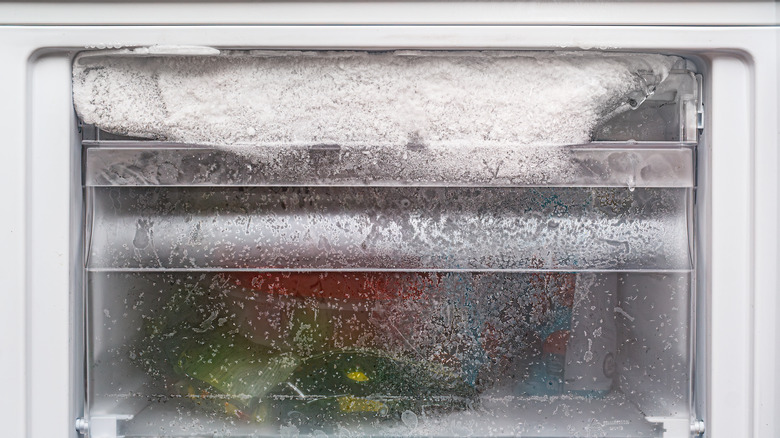
The freezer is a trusty tool for extending the freshness of many foods, and while meat, fish, and vegetables generally hold up well when frozen, unfortunately, the same can't be said for cheese. The issue here isn't related to safety, but rather texture. The effects are particularly noticeable with softer cheeses like mozzarella, which can become dry and rubbery after a stint in the freezer. This is due to the cheese's high moisture content, which increases the formation of ice crystals. And, as the crystals melt upon thawing, the structure of the cheese is compromised.
While firmer cheeses like parmesan and Swiss cheese will face less significant textural changes during freezing, they still likely won't taste as good as their fresh counterparts once thawed. But if you're lucky enough to find yourself with an abundance of cheese, freezing might be the only option. In this case, start by wrapping the cheese as you would for fridge storage, with cheese paper and plastic. Then, add a final layer of aluminum foil, which will help to prevent freezer burn. Once thawed, the cheese might not be ideal for slicing and eating as is, but it should still serve well as a component of other recipes like mac and cheese or enchiladas.
Wrapping softer cheeses too tightly

The general storage rule for most hard and semi-hard cheese is an initial wrapping with cheese paper, followed by a layer of plastic wrap. But another crucial consideration is just how tightly you wrap the cheese. Because hard cheeses are lower in moisture, they're less susceptible to mold and bacterial growth than softer varieties, so trapping that moisture in is less of an issue. Try wrapping cheeses like parmesan tightly in both paper and plastic to keep them from drying out.
For semi-hard cheeses (think cheddar and gouda), which contain slightly more moisture, you can wrap both of the layers more loosely. This will allow for more air flow and reduce the buildup of moisture on the surface of the cheese (a recipe for mold growth). Soft, ripened cheeses like brie need even more room to breathe. With these varieties, a loose wrapping with paper is still ideal, but consider popping the wrapped cheese into a plastic food bag and leaving the zip slightly open. This will protect the cheese from dryness while still allowing enough moisture to escape.
Chilling fresh mozzarella

Fresh mozzarella boasts a tender, creamy texture and mild, milky taste. This semi-soft cheese is an essential in a traditional Italian Caprese salad, and a favorite for layering into sandwiches. And, contrary to popular belief, it doesn't necessarily need to be stored in the fridge. Now, there's a specific scenario we're referring to here, and that's if you've picked up a fresh ball of cheese that you intend to eat that same day. Left at room temperature, the mozzarella will retain its soft, juicy texture far better than if refrigerated, making for an altogether more pleasing eating experience.
If you've picked up mozzarella at the store and won't be using it for a few days, then chilling it is essential to prevent the growth of potentially harmful bacteria. Since fresh mozzarella has a high moisture content of around 60%, it has a tendency to dry out rapidly. This is why many store-bought products come packaged in brine or oil, to keep that moisture locked in. Once you've opened the packaging, make sure to preserve the brine for storing the leftover cheese in. Alternatively, mix up your own batch of salted water and store this with the mozzarella in an airtight container. It'll keep well for around two days in the fridge.
To revive the texture of chilled mozzarella, try soaking it in warm, salted milk for an hour before serving. This will give it that same moist, tender consistency that you'd achieve from storing it at room temperature.
Not letting it come to room temperature before serving

We've covered mozzarella, but this isn't the only cheese that tastes better at room temperature. Served straight from the fridge, most cheeses simply aren't as flavorful, and texture-wise, your wedge, block, or wheel will have nothing on its unrefrigerated counterpart. Chilling cheese often removes the creaminess and softness that make so many varieties special. Whether it's a firm block of Gruyere, a creamy Camembert, or crumbly blue cheese, letting it come to room temperature first will yield a far superior taste and mouthfeel. So when prepping a cheese board for your next gathering, factor in a full hour for the cheese to sit out of the fridge (covered) until everyone digs in.
There's science behind this method, too. Interestingly, at warmer temperatures, the flavor compounds in the cheese become easier for our taste buds to detect. Therefore, unrefrigerated cheese will offer more complexity and depth. In fact, enjoying cheese at a temperature close to that of the human body is likely to yield the most flavorful results. So, to make the most of your favorite cheeses, don't be tempted to skip that initial resting period.
Not using a cheese box
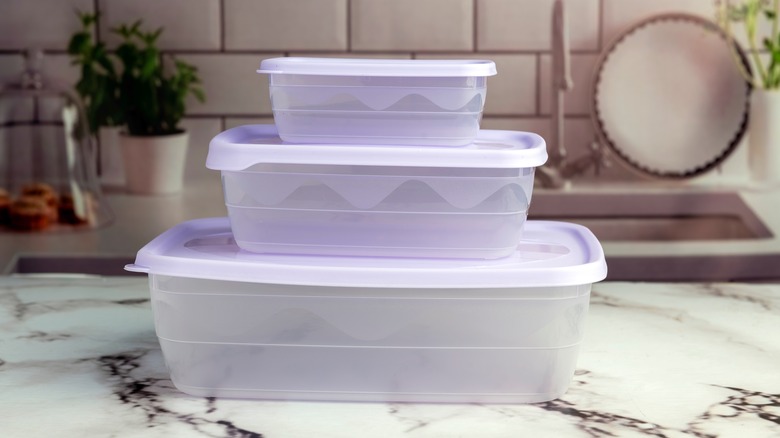
The paper-plastic combo is an ideal way to prep your cheese for storage, but there's another technique that's also effective at keeping cheese fresh. Perhaps you're trying to cut down on single-use plastics in the kitchen, or simply don't have plastic wrap to hand. This is where a trusty plastic storage container can come in handy. You'll still want to begin with that initial layer of cheese paper, wax paper, or parchment paper, to keep the cheese from drying out. But, rather than following with the plastic wrap or bag, just pop the wrapped cheese into a lidded container.
Leaving the lid of the box slightly open will allow for some air flow, helping the cheese regulate its moisture content. Or, if you're dealing with a particularly stinky cheese and would prefer to keep those smells contained, throw a couple of sugar cubes into the box with the cheese before securely sealing the lid. The cubes will absorb excess moisture over time, and can simply be replaced if they start to disintegrate. As well as preserving that all-important moisture balance, storing your cheese in a sturdy box also protects it from breakage and keeps it from absorbing unwanted odors.
Removing feta from the brine
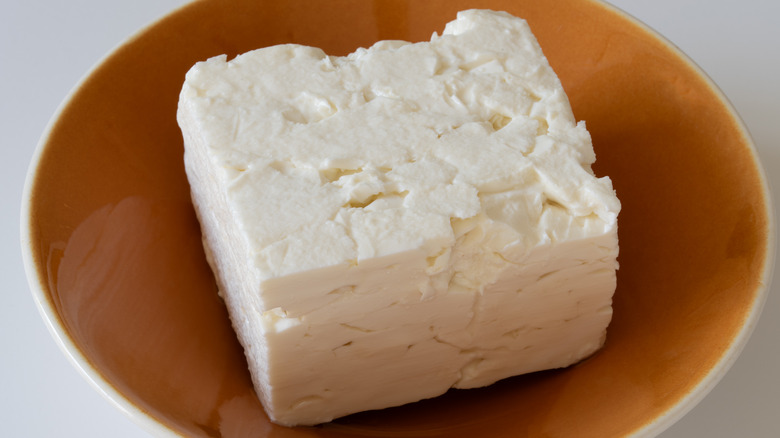
Like mozzarella, feta also benefits from being stored in brine. This semi-soft cheese is traditionally made from a mixture of sheep and goat milk, and loved for its tangy, salty taste. Feta also has a uniquely crumbly yet creamy texture, thanks to its relatively high moisture content of up to 50%. And, the best way to preserve these irresistible qualities is by storing the cheese in salted water.
Thankfully, most pre-packaged feta already comes in brine, but if it doesn't, just mix some up yourself by dissolving kosher salt in cold water. After you've opened the cheese, discard the plastic packaging it came in and add the leftover cheese to a lidded container with the brine. With the cheese fully submerged and sealed in the container, you won't have to worry about it drying out. Stored in the fridge, your feta will remain tender, flavorful, and safe to eat for up to four weeks. This is a fantastic way to extend the shelf life of your block, which would otherwise have only lasted a matter of days.