

11 Foods With More Fiber Than Chia Seeds
We may receive a commission on purchases made from links.
You've probably heard that chia seeds have more fiber than any other food. While that's not incorrect, it's also not the full story. When looking at fiber per ounce, chia seeds remain a top contender — but the reality is that you're unlikely to eat more than a tablespoon or two at a time, which limits the amount of fiber you'll get per serving.
If your goal is to increase the amount of fiber in your diet, consider measuring by how much fiber you're getting per serving and not solely the amount in any specific ingredient or food. While chia seeds are a great addition to smoothies or granola and are helpful when used as a thickening agent in classic chia pudding recipes, they like won't make up the majority of your meals.
According to the USDA, adult women should be aiming for 25 grams of fiber per day, while men need 38 grams per day. A tablespoon of chia seeds (half an ounce) will provide you with about 5 grams, which is impressive for such a small volume of food. But by focusing on foods with more fiber, and specifically ones that are enjoyed in larger portions, you can get more into every meal.
Split peas
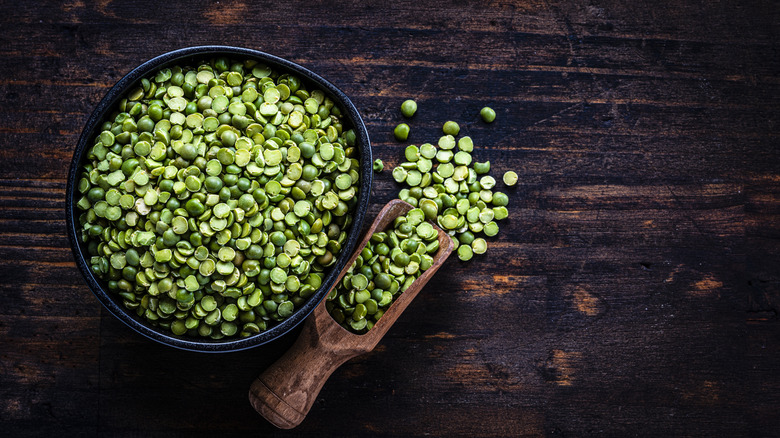
Split peas are hard to beat when it comes to fiber content, with a cooked cup of the legume delivering 16.3 grams. Split peas are probably most commonly eaten as soup in the U.S., so this is a good trick to have up your sleeve when winter comes around. If you follow our split pea soup recipe, between the peas, carrots, and onion, you'll get more than 21 grams of fiber in each serving. Not bad for a single meal.
Lentils
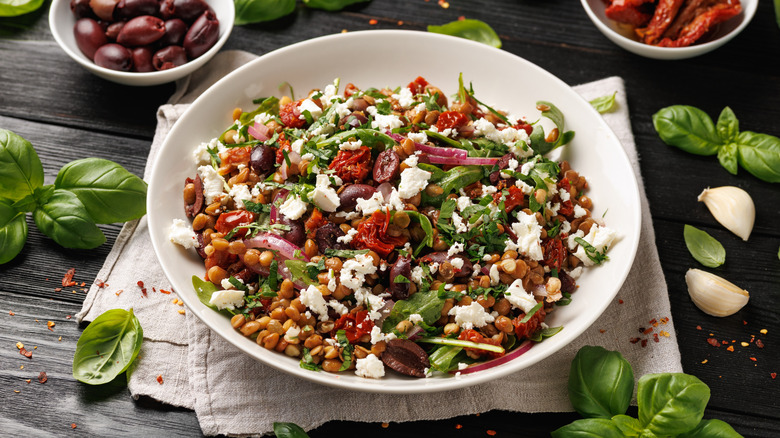
Legumes are the big hitters for fiber, and lentils are no exception, with 15.6 grams of fiber in a cooked cup of the green or brown variety. Beyond nutrition, the big benefit to lentils is just how versatile they are as a key ingredient in everything from roasted vegetable salads to soups and vegetarian lentil and mushroom meatballs. Red lentils, which are often used to make dal, are slightly lower in fiber. These lentils are missing the outer fiber-rich skin, which is why they are so quick to cook to a creamy consistency.
Fortified breads and cereals
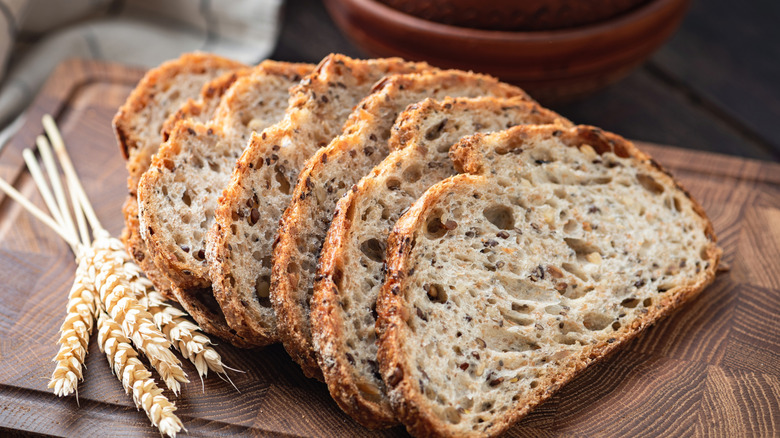
It's comforting to know that sometimes advertising really does live up to its claims. Although you should always check the nutrition label carefully, there are plenty of fortified bread and cereal products that punch above their weight when it comes to fiber. Mission Protein Tortillas contain 14 grams of fiber in each tortilla, and Oroweat Superior Keto bread contains 8 grams per slice. By the time you've made a sandwich or a wrap you're well on your way to your recommended daily intake. If you prefer to front load your fiber, breakfast cereals like Fiber One can get the task out of the way early in the day, with 18 grams in each bowl.
Beans
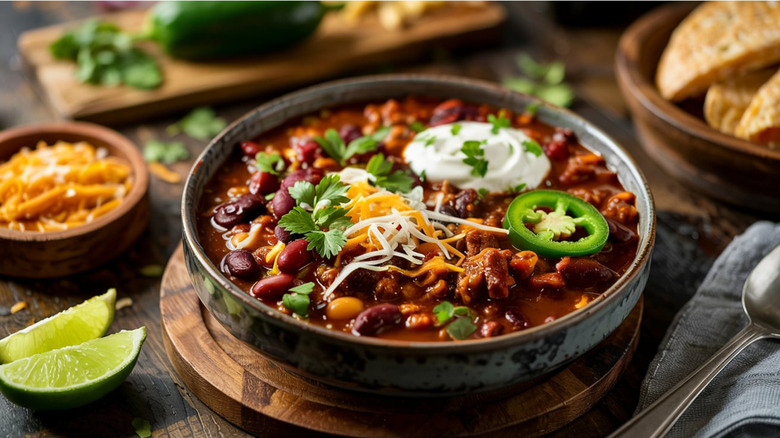
If you think that getting enough fiber means sticking to health food, just remember that some of the best sellers on the Taco Bell and the Chipotle menu contain beans. Black beans, which are commonly used as a burrito filling, in salads, and on rice, deliver 15 grams of fiber per cup. Your side of refried beans is most likely made from pinto beans, which have slightly more fiber at 15.4 grams per cup. But for the biggest fiber boost, try making your own baked beans with navy beans – these come in at a whopping 19.1 grams of fiber per cup.
Artichokes
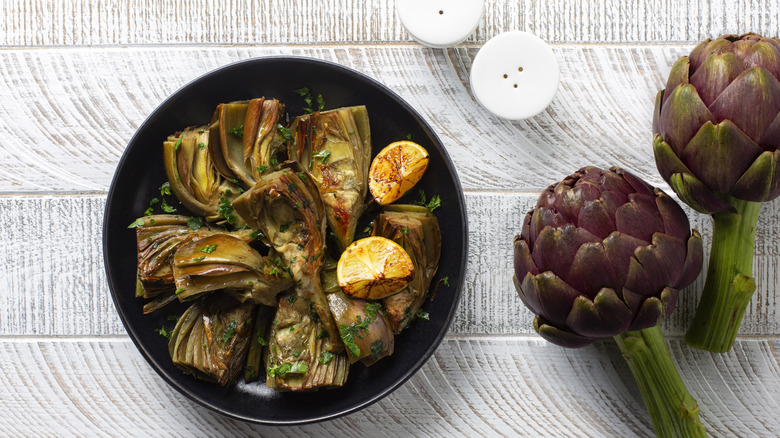
For anyone not a fan of beans and pulses, you'll be glad to hear that there are also some vegetables on this list. A single artichoke provides 6.8 grams of fiber, but if you're eating only the hearts, you'll get 9.5 grams in every cup. This means that you don't need to know how to properly eat a fresh artichoke –- an artichoke dip or pasta sauce will do just fine.
Avocado
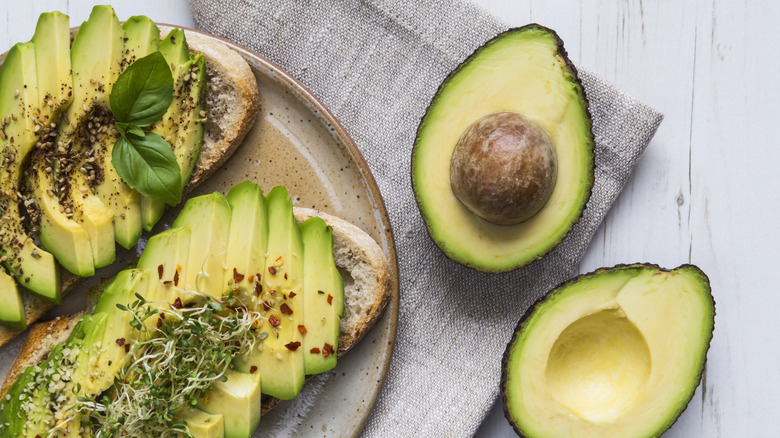
You can joke all you like about millennials and their avocado toast, because at the end of the day, they'll be the ones getting enough fiber. Each avocado contains 9.3 grams of fiber, along with essential nutrients including potassium, vitamin E, and vitamin B6. There are plenty of ways to use them beyond breakfast -– in fact, Tasting Table's favorite avocado recipes include pasta, smoothies, and even chocolate pudding.
Green peas
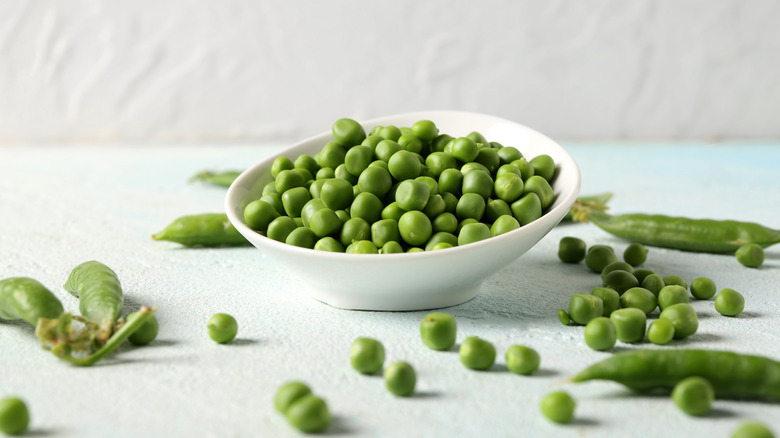
By weight, dried peas offer more concentrated nutrition, but they can be time consuming to soak and cook. Fresh peas are quick to cook, but the shelling process will slow you down. For this reason, frozen peas can be much more convenient — plus, they often have a better texture than fresh peas. With 7.2 grams of fiber per cup of frozen peas and 8.2 grams of fiber per cup of fresh peas, they make a healthy and simple side dish, and are an easy way to add fiber to soups, casseroles, or boxed mac and cheese.
Raspberries
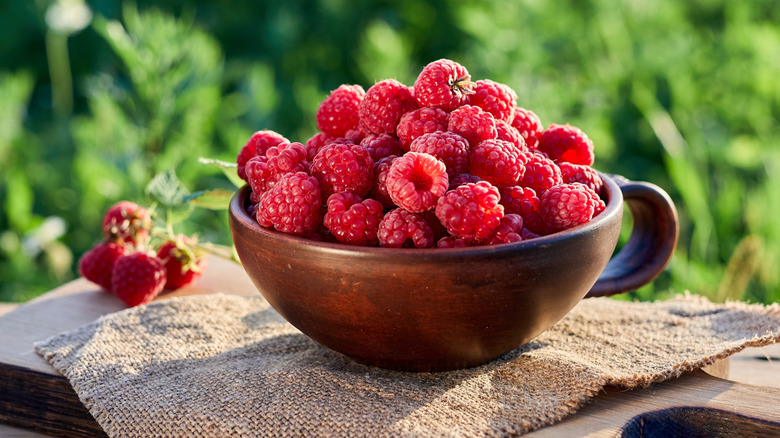
Raspberries are the best of the bunch when it comes to fiber-rich fruit, clocking in at 8 grams per cup – so tucking into a slice of a fresh raspberry pie might be better for you than you think. A cup of fresh raspberries will also provide you with 54% of your vitamin C intake for the day along with high levels of antioxidants. If the price fresh berries have your eyes watering, frozen raspberries can be just as nutritionally dense.
Canned pumpkin
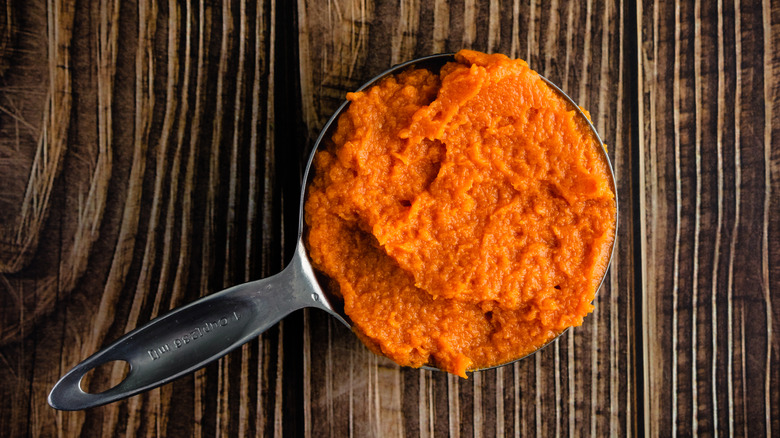
Anyone who thinks that canned pumpkin doesn't count as a serving of vegetables is sure to change their mind after seeing the nutritional value. With 7.1 grams of fiber per cup, it's actually higher in fiber than regular mashed pumpkin due to the water removed during processing. This applies to pure canned pumpkin, rather than pie filling, and the exact values will depend on the brand.
Sweet potato
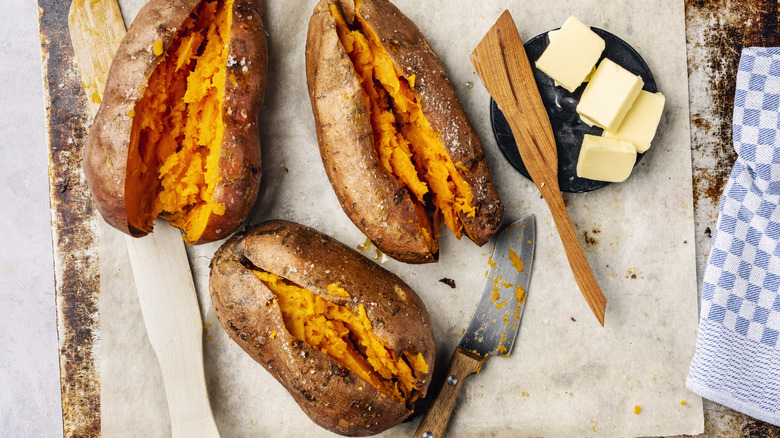
Who would have thought that tucking into that Thanksgiving sweet potato casserole could be helping your digestive health? Whether it's mashed, baked whole, or turned into fries, sweet potato is a delicious way to reach your daily fiber intake. A cup of mashed sweet potato delivers 8.2 grams of fiber, and single baked sweet potato has 3.8 grams. Sweet potatoes are also an excellent source of beta carotene, potassium, and vitamin C.
Pears
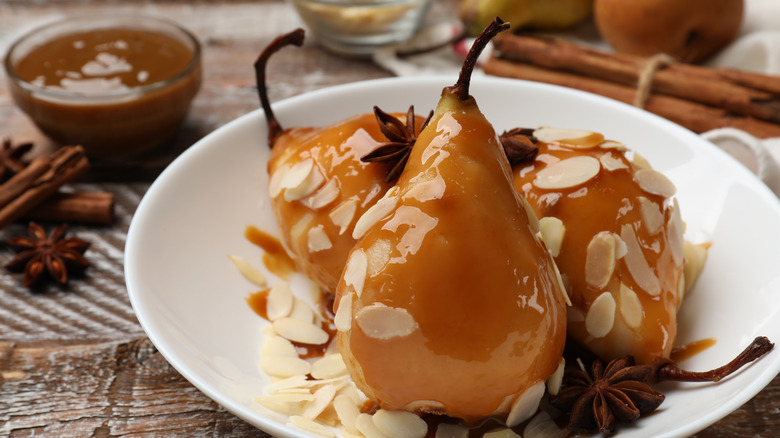
Pears are a blessing for anyone that prefers their fruit to be more like a dessert and less like a lunchbox snack. Cooking pears makes them sweeter and more tender, in everything from a simple dish of poached pears to pear and ginger pie – and with 5.5 grams of fiber in each medium pear, you're still getting your essential nutrients. Not a fan of sweets? Pears go just as well in savory dishes, including salads and pastas, or paired with cheese.