

Can Fridge Magnets Really Raise Your Energy Bill?
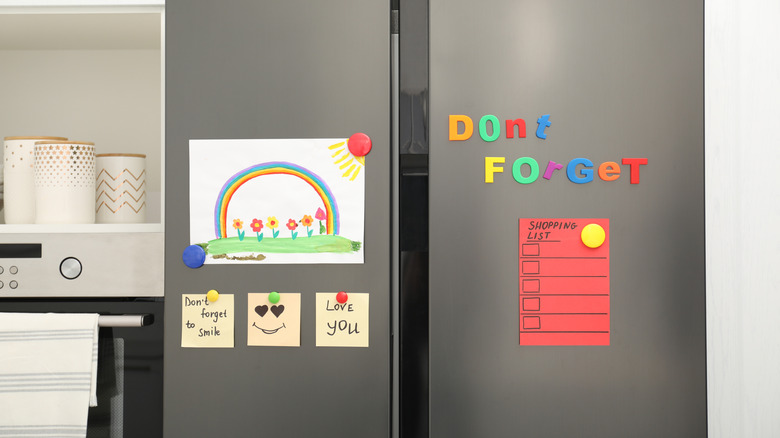
What's common between the Bermuda Triangle, aliens in Roswell, and fridge magnets? They all star in myths that somehow survive every scientific explanation. In this case, the claim is that sticking magnets on your refrigerator door causes it to use more power. Sounds wild? That's because it is.
The idea likely took off from a half-understood bit of science: that your favorite souvenirs were creating a magnetic field that was somehow interfering with the fridge's internal sensors or compressor. That the magnets could, in theory, be "confusing" the refrigerator into working harder to maintain its temperature. In reality, though, the magnets on the outside of your fridge are far too weak to penetrate the insulated door or affect the circuits inside.
Over the years, the myth has been put to rest by just about everyone who'd know better — from appliance manufacturers to academics and energy providers. Endesa, the Spanish energy company, has called the claim "totally false," noting that the magnetic fields of these souvenirs are so weak they don't even make it past the outer layer of the fridge door. Professor Selim Şeker, Chair of Electrical and Electronics Engineering at Üsküdar University, agrees: "The refrigerator operates at a power of 500-1000 watts, while a magnet's power is nearly zero." And Bosch sums it up simply: fridge magnets "don't impact energy usage, lifespan or food safety." Their only note of caution isn't about electricity at all, but gravity: if you turn your fridge door into a souvenir collage, the extra weight might strain the hinges over time.
Ways to make your refrigerator more efficient
It's actually a relief that the magnet myth isn't true — otherwise that "I Love London" souvenir you stuck on your fridge in 2010 might well have cost you more in electricity bills than the trip itself. If you are dealing with a stubbornly high power bill, there are more than a few science-backed energy-saving kitchen tips, many involving your fridge.
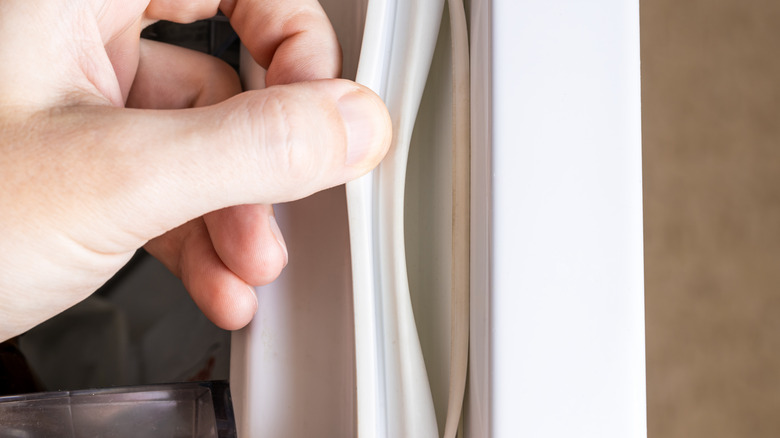
Start with the basics: make sure the door seals are doing their job. A worn-out gasket is a big risk, and can not only force the compressor to run overtime but also result in food spoilage. To test this, shut the door on a sheet of paper — if it slips out easily, the seal might need replacing. Also, give your fridge a bit of breathing room; keeping it at least a few inches from the wall helps heat dissipate properly and prevents the motor from overworking. Location matters, too — a fridge parked in direct sunlight or right next to your oven will have to work much harder to stay cool. And while it's tempting to stash leftovers straight from the stove, let hot food cool before refrigerating it, so your appliance isn't fighting a losing temperature battle.
It's also worth giving the coils at the back or bottom of your fridge an occasional cleaning — dust buildup there can quietly drive up energy use. Finally, make sure you have a refrigerator that fits your cooking style, including how often you cook and the size of your household. Finding the right fridge could result in significant savings — enough, perhaps, to go on a vacation and buy more refrigerator magnets.