

Why You Should Never Buy Food From The Grocery Store Without Checking This One Label
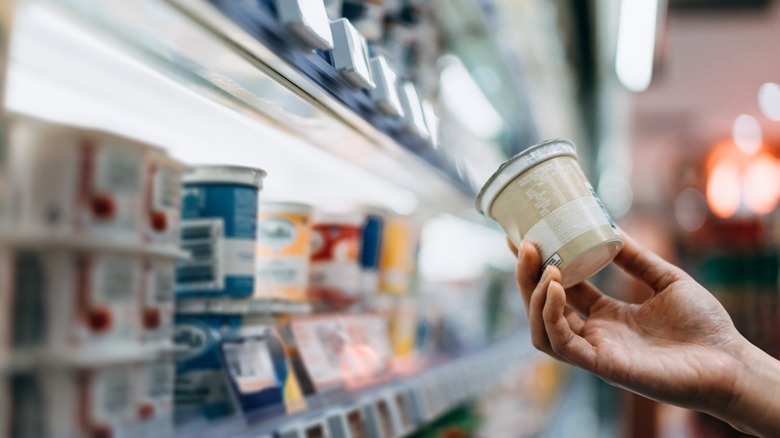
Did you know that the alleged reason we have expiration dates on milk is because of Al Capone? This claim was widely circulated on social media a few years ago. According to the story, Al Capone's niece became terribly ill after drinking spoiled milk, and in response, the notorious Prohibition-era gangster supposedly lobbied the Chicago government to require expiration dates. However, there's no hard evidence that this ever actually happened. Also, if you look at the dates on packages, you'll notice that they aren't actually "expiration dates." These dates are usually labeled as "best before" or "use by." They provide guidance on freshness, but there are several important caveats to that. When shopping for food at the grocery store, this label is one you must always check before purchasing anything.
In the United States, the only product that is legally required to have a "sell by," "use by", or "best by" label is baby formula. Every other product you buy has a date that was added voluntarily by the manufacturer. Since the labeling is voluntary, manufacturers decide how to define these dates. Federal regulations require it to be true; a company can't say a product will be good long after it will have definitely gone bad, but there's certainly some wiggle room in how it's applied. Generally, this date indicates when a food is at its peak freshness. For products like meat, dairy, or produce, the date helps you determine how long you can safely consume them. It also indicates whether the product is still worth purchasing if it has been on the store shelf for an extended period.
What food date labels mean and don't mean
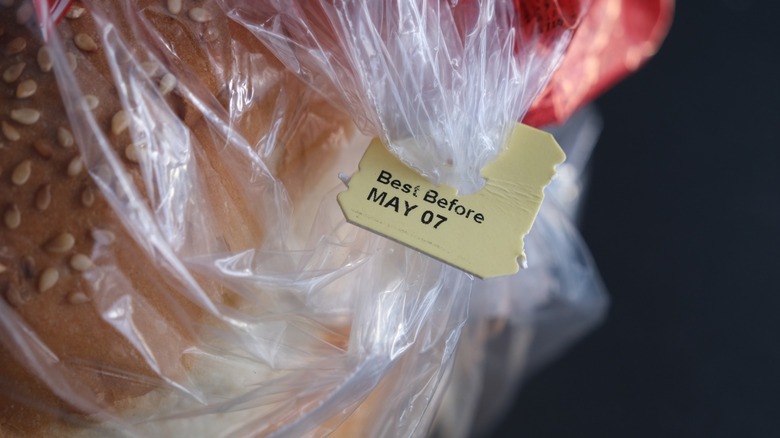
Food date labels first appeared in the 1970s. Although we colloquially refer to them as "expiration dates," these labels indicate when food starts to lose its freshness, not when it becomes unsafe. Even the USDA acknowledges that food can often be safely consumed even after the best-by date on most labels (like these 13 baking ingredients you can use past their expiration date). Apply your best judgment with any food. If it shows no signs of spoilage, it is likely safe to eat.
Determining freshness can sometimes be a gamble. How many times have you taken a bite of bread and discovered a moldy spot you never noticed, or eaten fruit that tasted off, or milk that became sour? Unfortunately, it happens. In general, a thorough inspection of the appearance, smell, and texture of food is a good guide when used in conjunction with the best-before date.
To ensure maximum freshness, check the dates on products before purchasing. Even if a product is safe to eat after the date, buying one that is close to or past it means it has been on the shelf for some time. This, in turn, means it may not taste as good as it could. One thing to remember is that many stores will offer discounts on products that are close to or just past a use-by date. In this case, a quick inspection for signs that you should avoid that product or not is all you need. If it still seems fresh, it's probably safe to enjoy, and you'll save some money.