

The Best Type Of Pan To Use On A Glass Cooktop
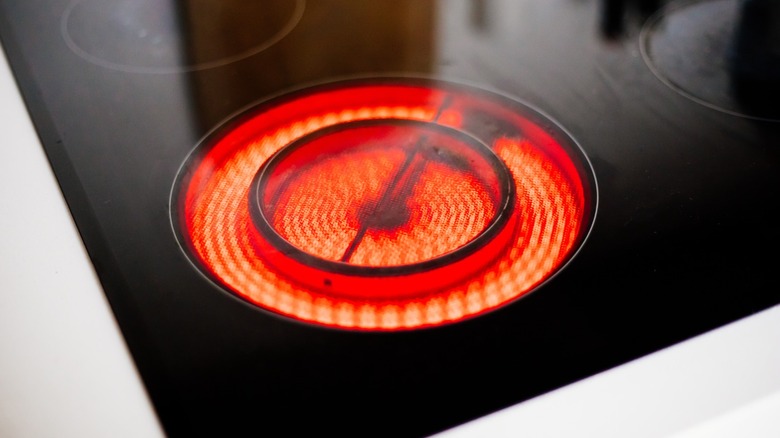
Glass ceramic cooktops have several advantages over traditional electric or gas ranges. Professional chefs might rave about the precise heat control of a gas flame, but induction cooktops offer high energy efficiency, improved safety, fewer fumes, and other advantages. Even if it is a radiant electric cooktop, it is easier to clean than a gas or coil electric model. The flat surface also doubles as counter space when the stove is not in use. However, you need to be mindful of the smooth surface and choose cookware that reduces the risk of damage. For that, invest in cookware with a smooth bottom, such as enameled pots and pans.
Although they are designed to withstand everyday use, glass cooktops are not without their weaknesses. The surface is actually a mixture of ceramic and glass designed for durability. Rough cookware can leave tiny scratches in the surface and, over time, those can lead to bigger problems. Repeated heating and cooling, liquids seeping into the tiny scratches, as well as continued abrasion, can eventually lead to cracks.
Cookware with a smooth bottom works well on glass ceramic cooktops, and enamel pots tend to have the smoothest, flattest surfaces you'll find. Those features make them a good choice for glass cooktops because they perform well and minimize wear and tear.
The fragility of glass cooktops
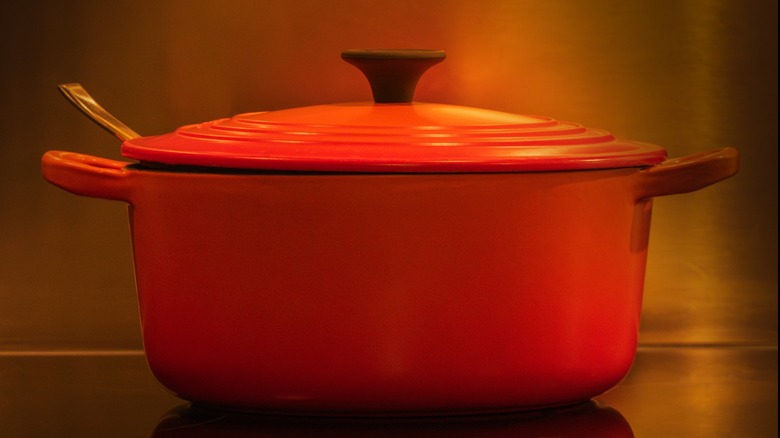
Ceramic glass can withstand high heat and some physical abuse, but it's far from indestructible. Sudden impacts and heavy loads can crack the surface, as can extreme heat or rapid temperature changes. You never want to pour cold water on a hot cooking surface, for instance. Likewise, dropping a heavy cast iron pan on your cooktop can break the glass. Even proper use of cast iron — with the rough surface on the bottom — can scratch the glass, causing it to weaken and eventually crack.
Small cracks in the glass present several risks. For one, you're exposing the internal components of the cooktop, and you risk electrical shock. The metal coils, whether radiant heat or induction, need to be kept safely away from anyone using the stove. Cracked glass heats unevenly, and spilled food can seep inside and ruin the electrical parts.
If the cracks are not fixed, the cooktop can shatter completely. That may require the replacement of not just the glass, but the entire stove. A small crack can become a very big and expensive problem. For that reason, you want to avoid anything too abrasive. That includes not just cookware, but abrasive cleaners and steel wool. Also be sure to clean the surface only when it is cool to prevent cleaners from baking onto the glass and damaging the finish. Avoid placing pot lids face down on the cooktop — trapped air can heat up, form a vacuum seal, and shatter the glass. With proper care, your glass cooktop should serve you well for years.