

The Differences Between Tuscan, Italian, And Herbs De Provence Seasonings
We may receive a commission on purchases made from links.
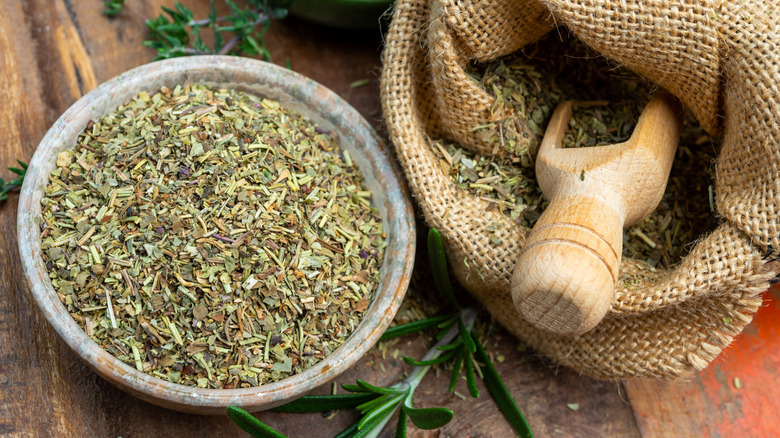
There are several common types of herbs, some of which are typically combined for even more complexity in different meals. Tasting Table spoke to expert Sarah Grueneberg, chef and owner of Monteverde in Chicago and author of the cookbook "Listen to Your Vegetables." Grueneberg certainly knows her way around an Italian kitchen and has shared her insight about the differences between Tuscan, Italian, and herbs de Provence seasonings. Despite many similarities between them, the biggest distinctions come down to the most prominent notes of each specific seasoning.
While there are commonalities in the presence of dried basil, rosemary, thyme, and marjoram in all three seasonings, each has a specific herbal focus that makes it unique from the others. Grueneberg notes that the primary difference with herbs de Provence is that the seasoning "includes lavender, which produces a different flavor." She adds that "Italian and Tuscan are more oregano- and basil-forward, and Tuscan has the addition of fennel." Each of these classical seasonings has a great deal of versatility and fresh flavor, with each potent dried herb included.
Keeping a number of seasonings on hand is ideal for experimenting with differences in tastes that may be new to you. If variety is the spice of life, then surely a variety of spices and seasonings will breathe new life into your favorite foods. Additionally, Grueneberg notes that each of these three seasonings can be used in specific recipes to enhance the overall flavor.
Using these three different seasonings
When asked which dishes best showcase the three seasonings, Grueneberg suggests different recipes to emphasize the dominant flavors in each one. For herbs de Provence, she recommends a "sprinkle on roast chicken or potatoes." The floral notes will definitely stand out and accentuate the poultry and root vegetables. For Tuscan seasoning, Grueneberg mentions that "the addition of fennel pollen makes this an ideal seasoning for steak, roasted veggies, or sprinkling on grilled bread." Lastly, for Italian seasoning, Grueneberg adds, "These dried herbs are great in spaghetti al Pomodoro."
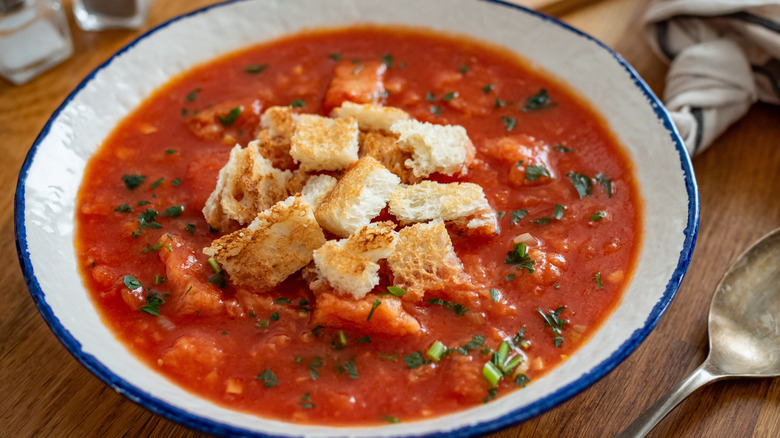
Grueneberg's expertise is a wonderful jumping-off point for exploring the benefits of all three flavorful herb blends. For example, you can make your own homemade Italian seasoning blend or grab a store-bought version such as Simply Organic Italian Seasoning to use in an Italian baked chicken thighs recipe. Drawing inspiration from the chef's suggestion of adding Tuscan seasonings to grilled bread, try the herbs in a Tuscan pappa al Pomodoro recipe, which is a delightful soup made with stale bread and tomatoes.
Don't be afraid to experiment in the kitchen, tasting the seasonings ahead of time to determine how best to use the flavors of each seasoning to suit your preferences. Any of these three seasonings would also make a spectacular addition to a compound butter, which can then be used to enhance a variety of recipes. The sky's the limit with the right seasonings and a taste for adventure.