

These Styles Of Sake Will Last The Longest In The Fridge
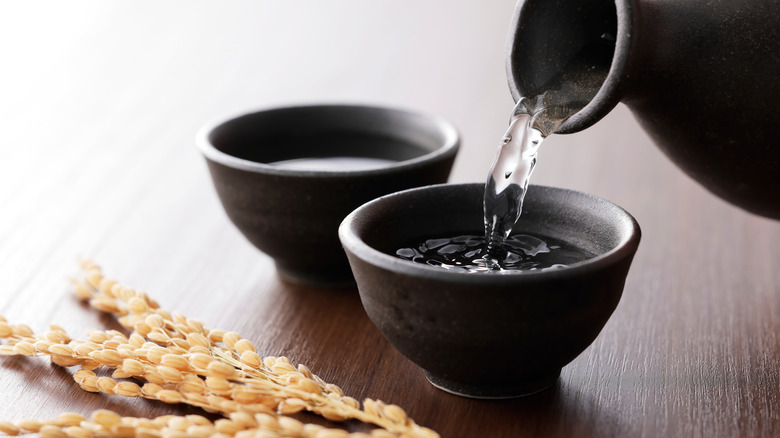
When your plane lands in Japan, one of the first things a foodie must do is visit the historic Fushimi district for a taste of sake. After visiting the island nation and becoming a budding sake aficionado, you may want to stock several varieties at home to share when friends drop by — which may make you wonder which sake lasts the longest. The answer depends on one element: the fermentation process.
To understand why, you need to go back to basics and look at how sake is made. Sake is usually separated into several categories, which include regular sake (futsushu), pure sake (junmai-shu), honjozo, and namazake. In regular sake, brewers usually enhance the flavors off the production line by adding a bit of distilled alcohol (also called brewer's alcohol), sugar, and acid. On the other hand, junmai doesn't contain any added alcohol. True to its name, this type of finished rice wine must be made with just four basic ingredients: Rice, water, yeast, and koji (a fermented rice variety).
Honjozo is made similarly to junmai — the only difference being the small addition of alcohol to extract aromas and also stabilize the beverage, which, in turn, leads to a longer shelf life. Namazake skips the pasteurization process entirely, which means it's more susceptible to quicker spoilage compared to its counterparts.
How fermentation determines longevity
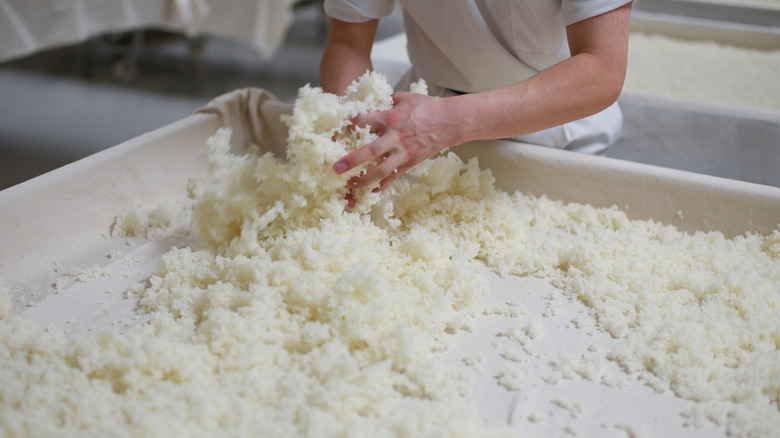
When it comes to production, rice polishing plays an integral role in sake's flavor, but the fermentation process is where the heart of longevity lies. The starch in rice that can be converted into alcohol is locked deep in the grain, so before brewers can do anything, they need to mill off the rice's outer layer through the aforementioned process.
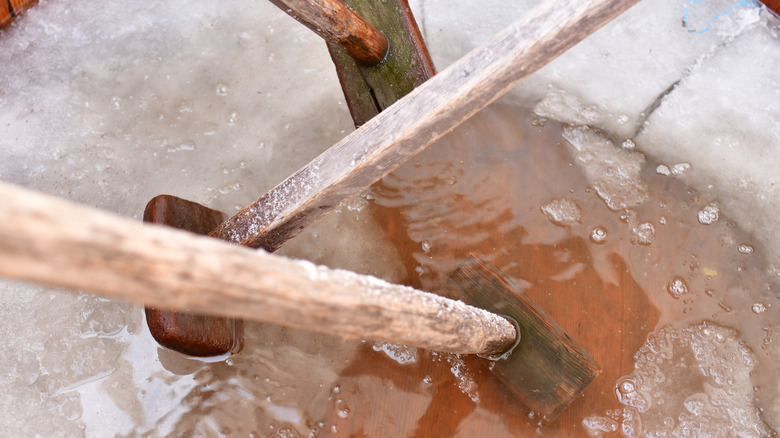
After the rice has been processed, you'll need what's called a moto: A type of starter yeast that helps convert the sugar in the rice into alcohol. Brewers have three methods to choose from for this process, with the most traditional called kimoto. After mixing rice, koji, and water in a tub, the brewer uses a long pole to mash the mixture into a paste. Once it's reached the right consistency, the paste is transferred into a vat, then allowed to age for up to a month. Since it takes so long, the yeast has more time to produce lactic acid. As a result, kimoto-made sake will usually have very high acidity, and last extra long once popped in the fridge.
The second method, yamahai, is very similar to kimoto. But instead of being mashed, the yeast is allowed to activate on its own. In terms of acidity, it's about the same as kimoto. However, sokujo (or the third and last option) is a different story. The most modern method, sokujo, is used for many cheap sakes on the market. It involves adding artificial lactic acid, thus creating an environment inhospitable to harmful bacteria, while fostering a healthy environment for yeast.
How rice polishing influences the flavor
How much of the rice grain is stripped away influences the final flavor of the sake by a great margin. For instance, a sake with 70% rice polish (meaning 30% of the grain is shaved away) will retain certain full-bodied qualities from the proteins and fats present in the remaining bran. This plays a part in the longevity advantage of, for example, junmai; the sake is made from rice grain with more of its outer layers preserved in comparison to other styles and types of sake.
Sake distilled from less-polished rice tends to be more acidic and bolder tasting. And while this means a bottle of junmai can be quite a challenge for beginners to taste (if you're just starting with the alcohol, try these sake bottle recommendations), when you've got one in the fridge, you can count on it lasting far longer than every other type.
In all, considering kimoto and yamahai sakes are far tastier with more nuanced flavor, we wouldn't blame you for tasting them before a sokujo option. They're made using ancestral methods, after all, so they're some of the purest expressions of sake you can get.