

This Is Why Your Bologna Is Slimy Even Though It's Still Good To Eat
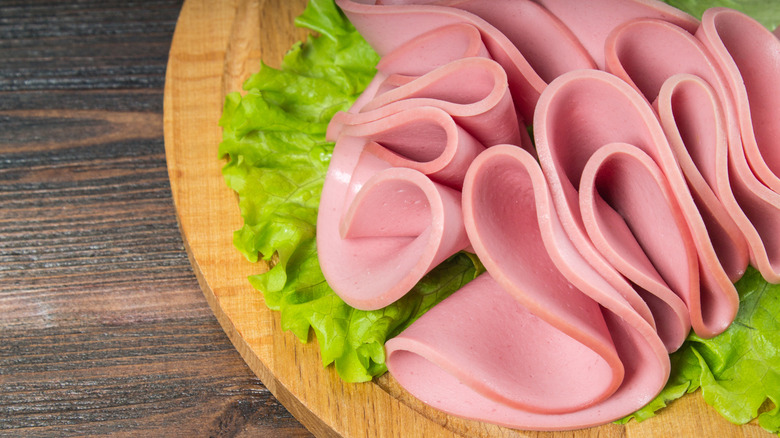
We've all been taught to see sliminess in food as a sure sign that something's gone bad. Whether it's wilted lettuce, old fish, or anything forgotten at the back of the fridge, that slick, goopy film usually means it's time to toss it. But bologna is a different story. In this case, the slimy layer isn't a sign of spoilage — it's actually a result of how the meat is processed. In fact, all those flavor-boosting additives and preservatives that make bologna taste the way it does is also what creates that layer.
Bologna can be made from chicken, pork, beef, turkey meat, or even a combination of any of these. The meat scraps are ground down, seasoned, and stuffed into casings. Like all deli meats, bologna typically contains a cocktail of additives designed to enhance flavor, texture, and shelf life. These can include sugars, thickeners, starches, salts and sodium compounds that help preserve the meat and boost taste. When bologna is kept whole and sealed, these ingredients remain locked in. But once it's sliced and exposed to air, those additives can begin to dissolve and seep to the surface, creating that telltale slick layer. Another reason bologna feels slimy is due to harmless bacteria feeding on added sugars. It's a normal reaction and doesn't necessarily mean the meat has gone bad.
While you'll almost always notice some slickness with deli meats, you can at least reduce the amount of slime they release by choosing brands that use fewer additives and lean toward more natural ingredients.
How to tell if your bologna has actually gone bad
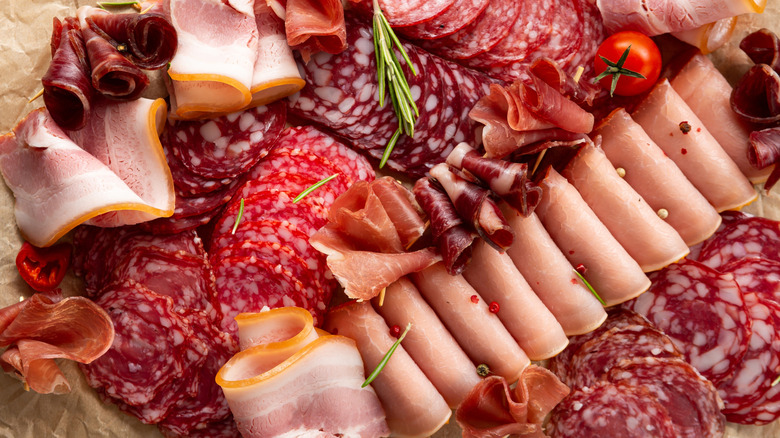
Bologna is a versatile meat that goes beyond just sandwiches — which is good, considering how quickly you need to use up that packet once it's opened.
Deli meats usually have a shelf life of three to five days once opened (and 10-12 days if sealed). So, if you picked up a sliced-and-sealed packet at the supermarket or had a fresh log opened and sliced for you at the deli, that timeline is a good starting point. Even if you don't, it's easy to tell when your deli meat has gone bad. Keep an eye out for changes in smell. Sour or funky odors are one of several signs of spoilage that should not be ignored. Similarly, if you see any kind of mold on it, it's time to let go. As with most things you're about to ingest, better safe than sorry is a good adage to live by. So if you're in any kind of doubt at all, trust your senses.
To make sure you make your bologna lasts three to five days, store it in the coldest parts of your refrigerator, which is usually as far back as possible. But if you want cold cuts that last longer than that, it might make sense to switch out those slices of bologna for other deli meats that are either fermented (like pepperoni or salami) or dried (like capicola or prosciutto).