

What Europe Does Better When It Comes To Food

The debate between European and American food may be never-ending, but there are some misconceptions that need to be clarified. If you follow influencers who talk about food and health, you know a common trope is how people feel so much better after eating food in Europe. This is often attributed to the superior quality of ingredients in those countries, compared to highly-processed American food with lots of additives. But the truth is much more complicated. Yes, Europe does some things differently than the U.S. when it comes to producing food, but a lot of the difference is more cultural — and what Europe does better also comes at a price.
The first big debate is over additives, and just how healthy (or unhealthy) food is in the U.S. versus Europe. It is true that Europe takes a stricter stance towards regulation with food additives, with the burden falling on manufacturers to prove an additive is safe before it's sold. Contrarily, in the U.S., you must prove something is not safe before banning it. This means several questionable food additives, like potassium bromate and titanium dioxide, are banned in Europe but allowed in America.
But this list is limited, and European countries still allow many artificial food colorings and additives that influencers claim are unsafe. There are also claims about European safety that are outright false, with some people claiming its wheat can't contain glyphosate, an herbicide used for killing weeds, when it actually can.
Europe's food isn't always healthier but it is generally fresher
These specious claims about food safety in Europe extend to larger debates. Like the whole back-and-forth over Mexican and American Coke: Many people think cane sugar is somehow more "natural" and healthy than high-fructose corn syrup. But there is no proven truth to this. Both are just different forms of processed sugar, and both can affect your health in the same way.
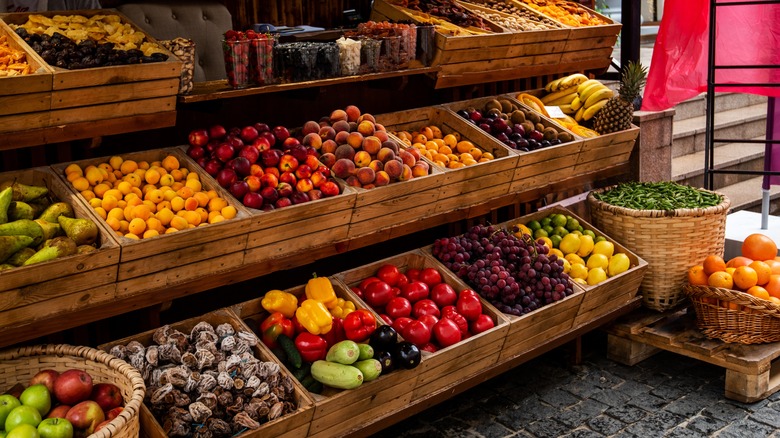
However Europe does a few things a little better than the U.S. The healthier nature of European meals is more attributed to the cultural emphasis on fresh, local ingredients. Americans like the convenience of year-round produce even when it is out of season, which means it won't taste as good. This preference for fresh ingredients also carries into shopping habits, as Europeans will often buy what they need for dinner the same day they cook it. Americans will stock up for an entire week or more, letting their food sit in the fridge and lose freshness before it's cooked. Americans are also more likely to choose highly-processed convenience foods, even when fresh options are available.
Finally European meat, fruits, and produce are made with an emphasis on flavor, while Americans place more emphasis on convenience. Fruits and vegetables sold in the U.S. are often grown for appearance, size, and affordability as opposed to taste, because that's what grocery stores have learned that American consumers value. A tomato you get in Italy won't actually be any healthier than the U.S., but it will probably taste better.
Higher quality food in Europe is also more expensive
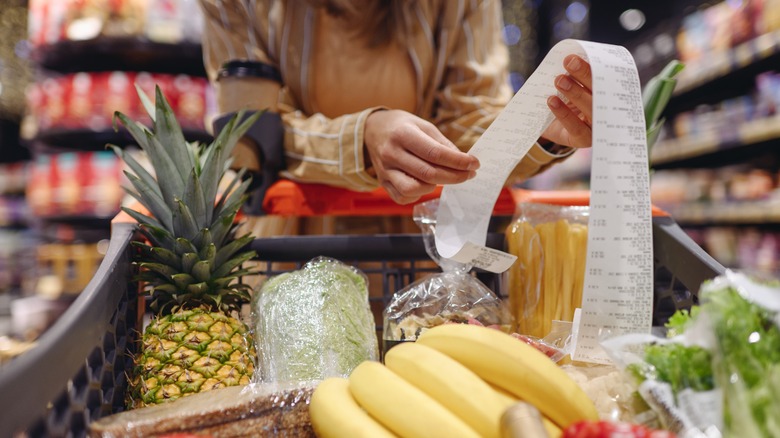
One excuse you hear for Americans' preference for processed convenience foods compared to Europe is over affordability, but the reality is that food is cheaper in America. Our World in Data shows that a normal American spends only 6.8% of their income on groceries, while in many European countries like France and Italy that number is over 12%. The reason food seems cheaper to Americans vacationing in Europe is that European wages are much lower. So while prices seem low, people who actually live in these countries spend much more on food than the average American.
The reality in the American versus European food debate is not as simple as influencers (who are likely just trying to juice their views) would have you think. There is plenty of fresh, in-season produce in American grocery stores, and food is more affordable here, but American consumers often choose to buy cheaper, processed products anyway. And while there are some confirmed additives to be wary of, lots of things that people get concerned over, like folic acid in wheat, or even some artificial food dyes, simply don't have enough research to definitively prove that all dyes and additives have adverse health effects. While some dyes may be thought of as basically harmless today, more studies may prove otherwise in the future.
Europeans certainly value flavor and freshness more than Americans, but that is largely cultural. If Americans start to value the same things, producers will likely adjust as well. You can make plenty of good, fresh Italian dishes just like people in Italy do, you just have to be willing to spend the time and money as the Italians do.