

Does Food Packaging Affect Flavor? Here's What The Science Says
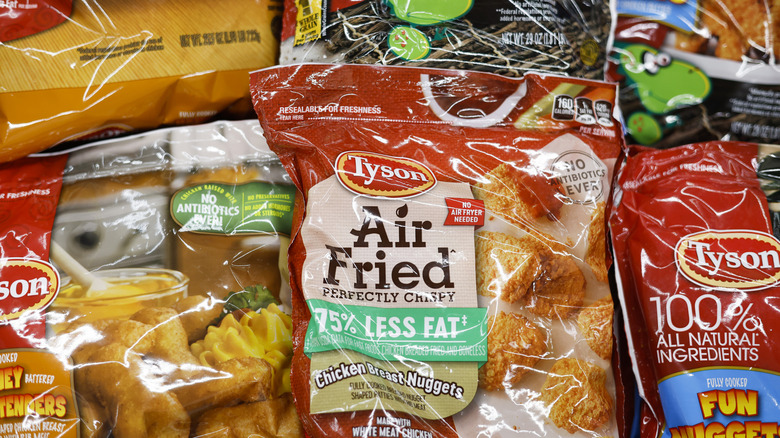
News about food packaging is everywhere these days — from debates over plastic waste harming the environment, to concerns about microplastics entering our bodies and what that means for our health. Yet there's one impact of packaging we rarely talk about, even though it affects us every time we eat: how packaging influences flavor. While the primary purpose of food packaging is to make storage and transport easier and to protect food from contamination in order to extend shelf life, it can unintentionally alter how food tastes and smells.
Food packaging comes in a variety of materials, each chosen for its ability to preserve and transport food. The most common types include metals like aluminum and steel, glass, wood derivatives such as cardboard and paperboard, and various plastics. While designed to keep food safe and extend shelf life, these materials can also unintentionally affect flavor. Acidic foods in metal cans, for example, may develop a metallic taste from reactions with the lining. Paper-based packaging, especially popular in the dairy industry, has been proven to be susceptible to chemical transfers resulting in stale flavor.
And then there's plastic. Given how much of our food is packaged in it, it may seem like plastic doesn't significantly affect flavor. The reality is quite the opposite.
Plastic packaging and flavor scalping
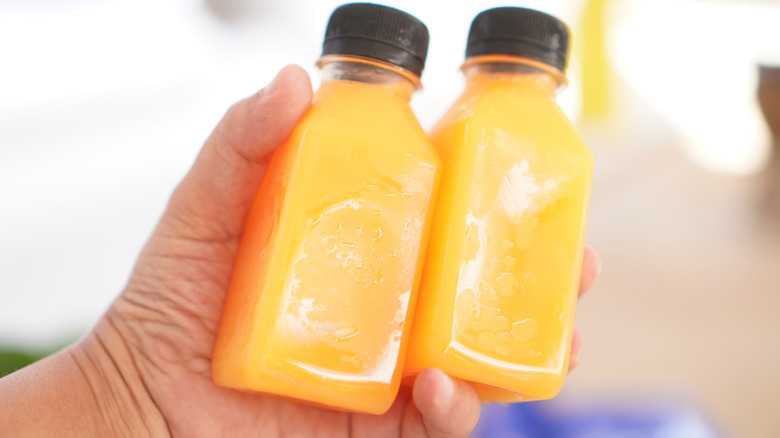
Plastic packaging can change the taste and smell of food when the packaging material starts absorbing volatile compounds responsible for a food's aroma and flavor. This process is called flavor scalping. While volatile compounds such as esters and aldehydes naturally contribute to a food's taste and smell, plastics can unintentionally trap these molecules, weakening the overall flavor over time. It's similar to how a sponge soaks up liquid, but in this case, the "soaking up" steals the very elements that make the food enjoyable. The situation is further complicated by the fact that plastic packaging itself contains a wide range of volatile and semi-volatile compounds, some of which can migrate into the food, further altering its flavor profile.
Here are some examples that might be familiar. You know how orange juice left in a plastic bottle for too long starts to taste stale? Studies have shown that low-density polyethylene (LDPE) absorbs limonene, the compound responsible for the citrus aroma in orange juice, leading to a noticeable flavor loss. Similarly, green tea, a powerful superfood, can develop a dull or off taste if left in its packaging for months. This happens because polyethylene (PE), PET packaging, and aluminum-plastic composite (AP) absorb volatile compounds from green tea, accelerating flavor deterioration during storage.
Research and improvements
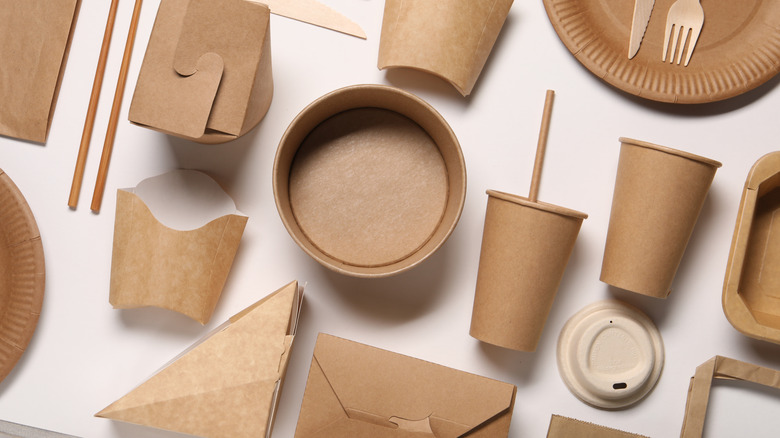
There's reason to believe things will change. As consumers become more discerning about taste, flavor authenticity, and sustainability, the food packaging industry is constantly innovating to ensure they're not bad for the environment — particularly in the booming food delivery segment. For example, the global market for takeout containers was valued at $2.3 billion in 2022, driving manufacturers to develop more eco-friendly solutions that reduced environmental impact while keeping costs in check. These solutions are being increasingly designed to not allow any flavor scalping. It isn't uncommon for premium products to be ditching plastic containers and embracing glass, which is both environmentally friendly and great at retaining flavors.
When it comes to long-term storage, however, the best way to preserve a food's taste and quality is to keep it away from the four biggest threats: light, heat, oxygen, and time. In other words, you need to store your food in a dark, cool cupboard in an airtight container and try to finish it before the flavors start to fade or off-notes develop.