

Buying Unripe Pears? Also Add This To Your Shopping List For A Quicker Ripen
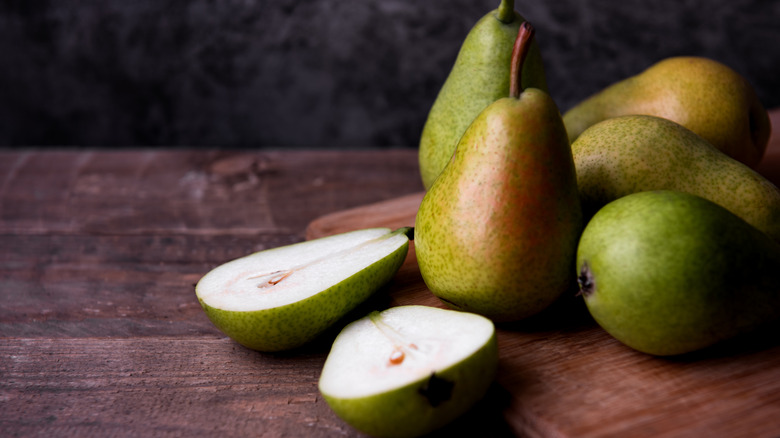
Choosing pears is a little bit tricky. They're beautiful in the produce aisle, but one bite into an underripe pear is enough to ruin your day; the flesh is hard, the flavor astringent and starchy, which makes for a memorably off-putting experience. The best tool for ripening is the humble brown paper bag. Slip the unripe pears inside, fold the top, and let chemistry do the rest.
Pears are harvested while still firm because they ripen from the inside out, so if they're left to ripen on the tree, the flesh near the core often turns mealy before the outside softens. That means when you buy pears at the store, they're almost always underripe. The good news is that pears continue to ripen after harvest, but only if they're exposed to ethylene, the natural, gaseous plant hormone that triggers softening and sweetness. Ethylene signals enzymes to break down pectin in the cell walls and to convert starches into sugars, which is what turns a pear juicy and fragrant.
The paper bag doesn't make pears produce more ethylene, it simply traps what is naturally emitted, concentrating it around the fruit. Paper allows moisture to escape, unlike plastic, so the pears don't sweat and mold. Within a few days the neck of the pear (the area just below the stem) will soften, the skin's color will deepen, and the fruit will become enticingly aromatic. This technique works with other ethylene-producing fruits, too, but pears show how quickly a paper bag can shift the ripening timeline.
Ethylene in action
Unlike bananas, which turn visibly speckled as they sweeten, pears don't announce ripeness on the outside. The most reliable test is to gently press the neck; if it yields slightly, the fruit is ready to eat. Because pears ripen from the inside out, waiting until the whole fruit feels soft usually means the core has already broken down into mealiness. That's why "check the neck" is a rule growers and cooks alike swear by.
Adding another ethylene-heavy fruit, like an apple or banana, into the bag can shorten the ripening window. This works because the effects of ethylene are cumulative; the more of it circulating in that small space, the faster the enzymes in the pear get to work converting starches to sugars and softening the cell walls. Once a pear hits peak ripeness, move it to the refrigerator. Cool storage slows ethylene's activity, buying you several extra days to enjoy the fruit.
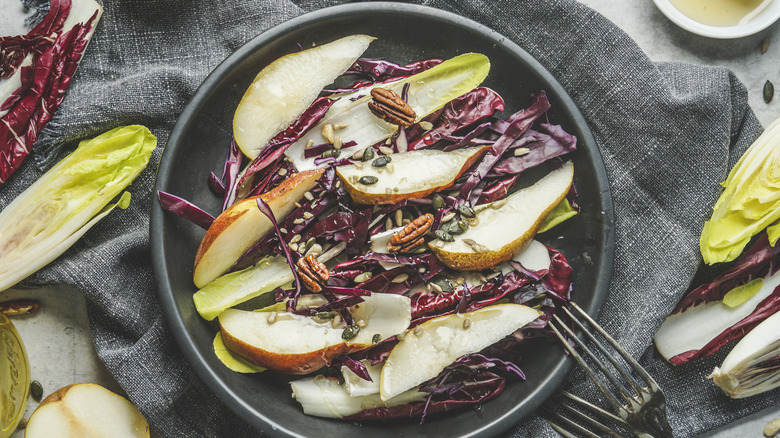
Ripe pears reward the effort, either alone or in one of countless tasty pear recipes. They're delicate enough to eat raw, but their soft texture also suits cooking. Slice them into salads with blue cheese and walnuts, roast them with butter and honey until they caramelize, "pair" them with bourbon in a cocktail, or bake them into cakes and crisps. Even savory dishes, like roasted pork or a grilled cheese sandwich, benefit from the sweetness and perfume of a well-ripened pear. The next level is learning the difference between all the different pear varieties.