

18 Vintage Fall Dishes That Deserve A Comeback
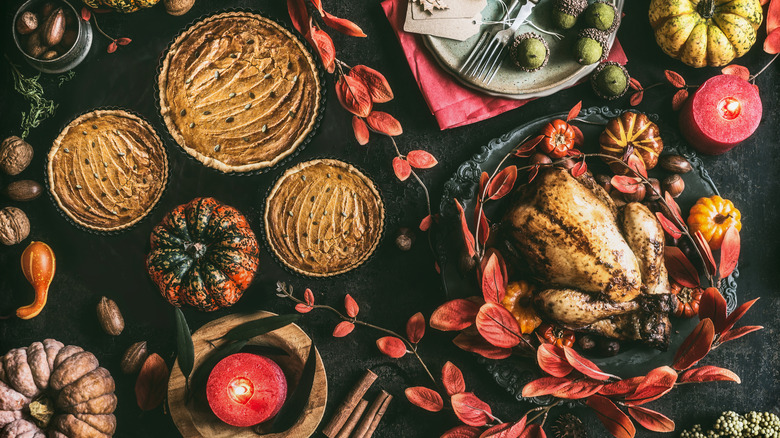
Autumn arrives with the smell of woodsmoke in the air and the crunch of leaves underfoot. It's the season when flavors become heavier, warmer, and more nostalgic. The time for comfort foods that anchor our memories and traditions. While pumpkin spice and slow-roasted vegetables dominate today's tables, there's a whole catalog of forgotten fall recipes once beloved in kitchens across America.
These classic autumn dishes have unfortunately been forgotten over the years and are deemed vintage by modern palettes. Whether it's a dish developed out of necessity to stretch the dollar and fill stomachs, or a decadent showstopper served for top politicians, no meal is immune to the passage of time and changing tastes. Some of these recipes are best kept in the past, like many of the gelatin-based dishes of the 1950s, but others, like Pennsylvania apple dumplings or Southern spoonbread, have all of those familiar fall flavors that we know and still love today. From classic staples our grandmothers grew up on, to longtime favorites of early presidents, these vintage fall recipes deserve to be celebrated.
Pork apple pie
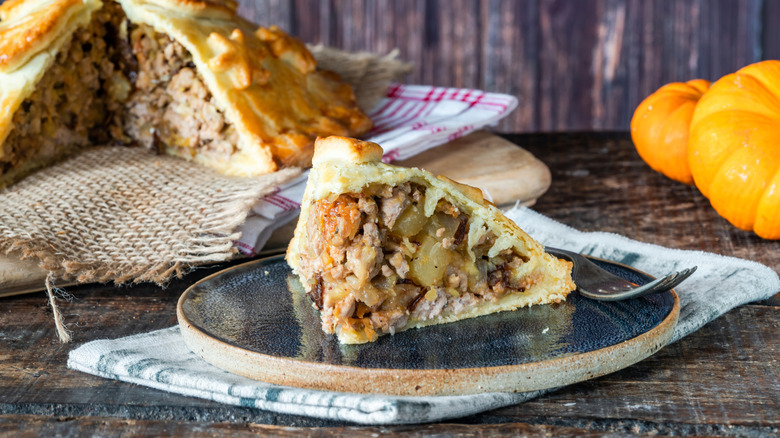
A U.S. staple, apple pies are about as integral to America as Uncle Sam. Tart, syrupy apples wrapped in flaky pastry and flavored with warming spices like cinnamon or nutmeg, it's the perfect fall treat. Over the years, there have been tons of iterations of this dessert, with some even taking a savory turn. Former President Calvin Coolidge was said to have loved his mother's recipe for pork apple pies.
The dish was a typical apple pie, aside from one unique inclusion: slices of salt pork. Salt pork, or salt-cured pork belly, is both rich and fatty. In this dish, salt pork is fried, and the crispy pork, along with the rendered fat, is added to the pie. Although it seems like a bizarre combination, the rendered fat and pork act as a flavorful contrast to the syrupy apples, creating a sweet and salty delight.
Mincemeat pie
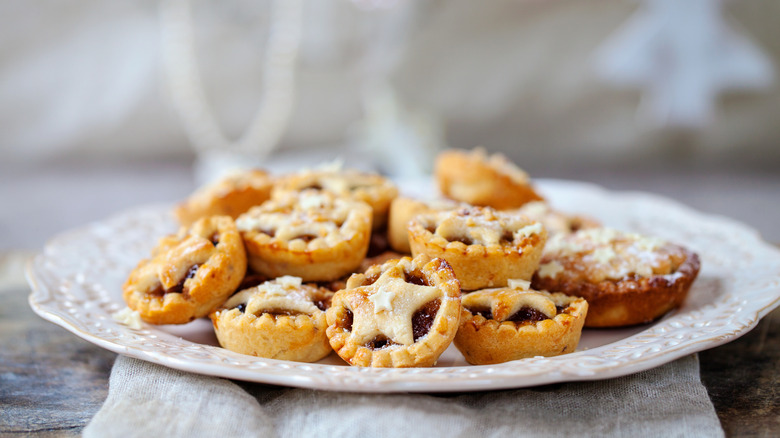
A popular dish at Christmas time, mincemeat pies are a vintage recipe that has been enjoyed since the Middle Ages. Also known as mince pies, these treats were developed to last. Mincemeat was created to preserve meat without using the traditional methods of smoking, salting, or drying. A mince pie, which is mincemeat wrapped in pastry, was originally filled with meat, dried fruit, and spices like cinnamon and cloves.
Nowadays, the traditional pie often comes in small, bite-sized portions and often doesn't include meat at all. The dish has become a holiday dessert staple, and is sweet, citrusy, and warming. A typical mincemeat pie still offers a delicious filling of dried fruits and spices, along with fresh ingredients like finely chopped apple and candied orange zest.
Indian pudding
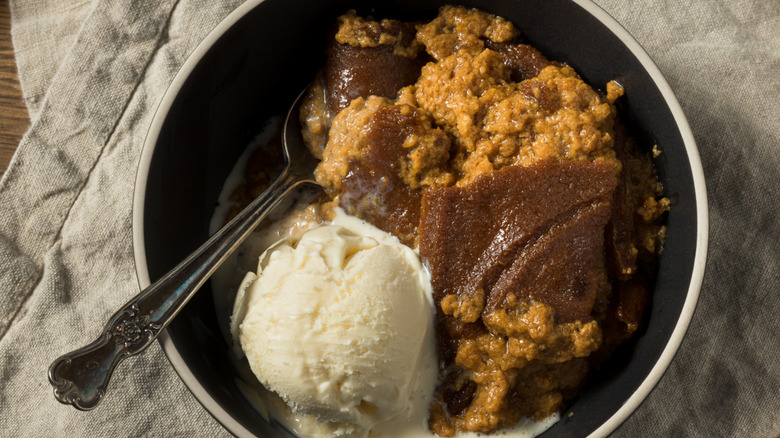
A vintage New England Thanksgiving classic, Indian pudding dates back to the 17th century. New England settlers were introduced to cornmeal by the Native Americans and integrated it into their recipes. At the time, settlers referred to any meal made with cornmeal as "Indian," and thus the name "Indian pudding" came to be. Indian pudding was an adaptation of the popular British dish, Hasty pudding, which at the time was made with wheat flour and white sugar.
Since those ingredients weren't easily accessible to New England settlers, they were subbed out for cornmeal and molasses. Indian pudding, although seemingly forgotten as an early American dessert, still holds up as an indulgent, post-dinner treat. This baked custard is lightly spiced with cinnamon and nutmeg, and pairs perfectly with a big scoop of vanilla ice cream.
Cranberry Soufflé salad
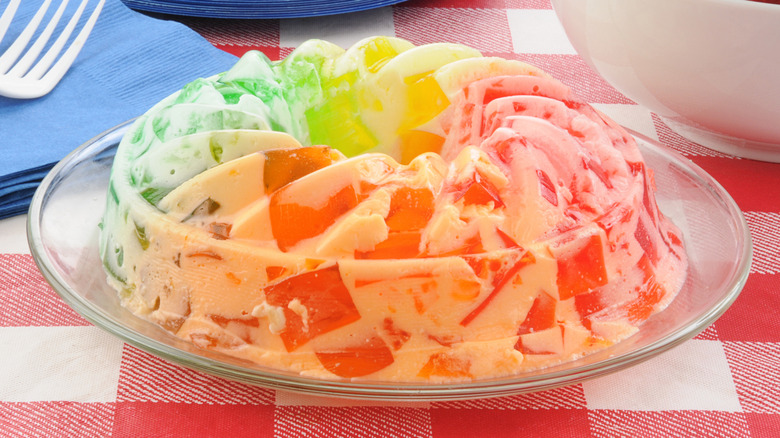
The 1950s U.S. culinary scene was fueled by convenience, with canned foods and gelatin-based dishes making their way onto dinner tables across the country. These pre-made ingredients allowed homecooks to streamline the cooking process, which left room for creativity and the development of experimental dishes, like gelatin salads. Thousands of Jell-O salad recipes, both sweet and savory, became popular, with one being the cranberry soufflé salad.
Equally tart and sweet, the cranberry soufflé salad is the perfect substitute for that canned cranberry sauce everyone serves on Thanksgiving. The salad, which is typically served whole from a mold, is made with cranberry sauce and a packet of gelatin. The dish also contains mayonnaise, lemon juice, sugar, and pineapple. Depending on the recipe, walnuts, celery, and other fruits can also be included.
Oyster stuffing
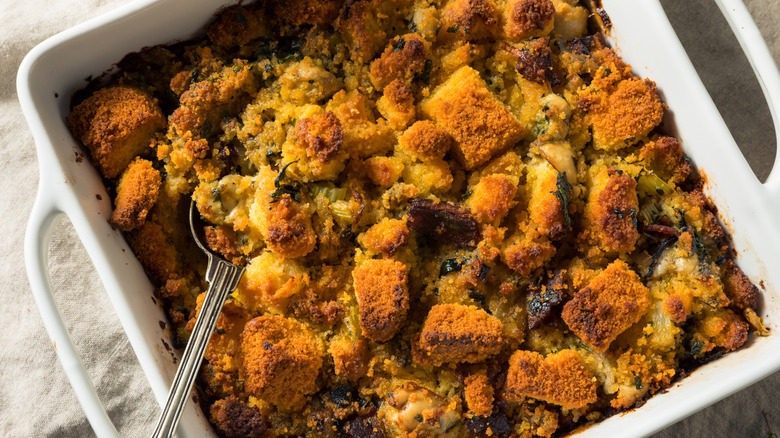
Every family has their go-to stuffing recipe. Whether it's a crumbly cornbread stuffing, a crusty white bread and celery stuffing, or even a sourdough sausage stuffing, there are endless iterations out there. A popular version for centuries in the U.S. was oyster stuffing. Also called oyster dressing, the stuffing included white bread, seasonings, and heaps of oysters, along with their "liquor", or liquid in their shells.
In the early 20th century, the Northeast coasts of the U.S. were covered with oysters. These mollusks were both affordable and easily accessible, being served at both the fanciest restaurants and the tiny marketplace oyster stands. It comes as no surprise that oysters would be added to a variety of recipes, including stuffing. Not only do they provide protein, they add a briny, umami flavor that's perfect for seafood lovers.
Vinegar pie
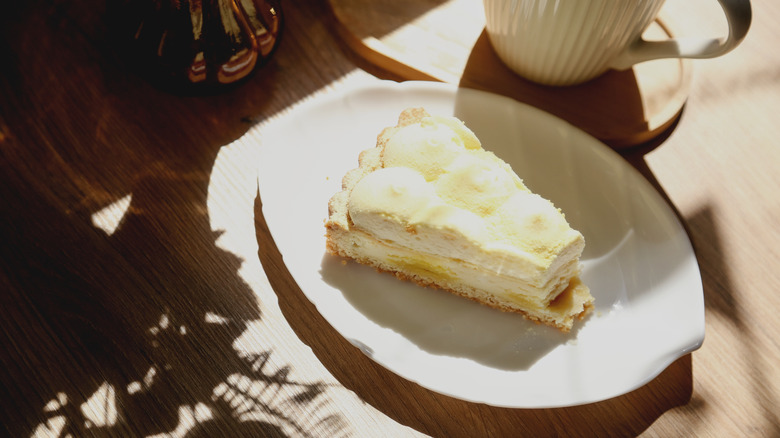
Although popularized in the Great Depression as a "desperation pie," a type of dessert made from affordable ingredients, this dish was actually around decades prior. A vinegar pie is essentially a tart custard, sometimes served with a meringue topping or a lattice top. The pie was traditionally made with a filling of sugar or molasses, vinegar, water, and flour, making it an accessible meal for those on a budget.
At its core, it is reminiscent of a lemon meringue pie. The vinegar provides both tartness and acidity, similar to citrus fruits like lemon or lime. This recipe is super versatile. It can be made with different flavored vinegars, and you can substitute the molasses for other sweeteners. Its adaptability and affordability are a part of the appeal. If you're into food history, this is a unique vintage recipe worth trying.
Porcupine meatballs
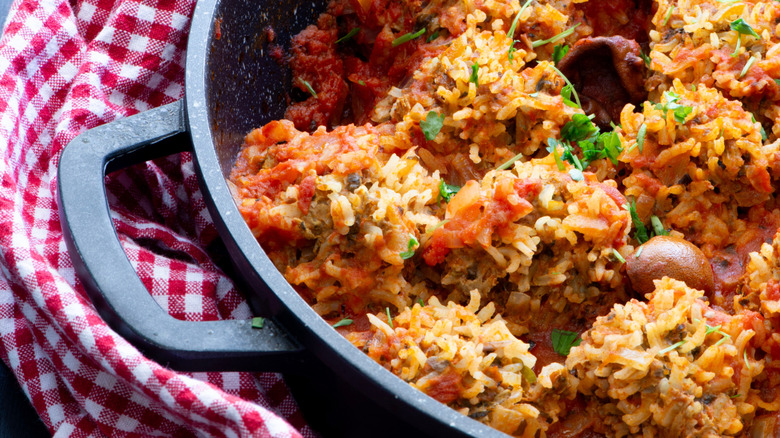
Although this dish is called porcupine meatballs, don't be discouraged; there are no porcupines in this recipe. Gaining popularity during the Great Depression as a filling, nutritious dinner, porcupine meatballs are a meal rooted in survival. During the Great Depression, food supplies were limited, and families had to find ways to maximize their ingredients.
Starches like rice or pasta were often used to bulk up meals and make them more filling. This is the case with porcupine meatballs, which are made of ground beef mixed with uncooked rice and seasonings and served in a savory tomato sauce. When the meatballs are cooked, the rice peeks out, making the meatballs appear prickly, reminiscent of a porcupine's quills.
Party cheese balls
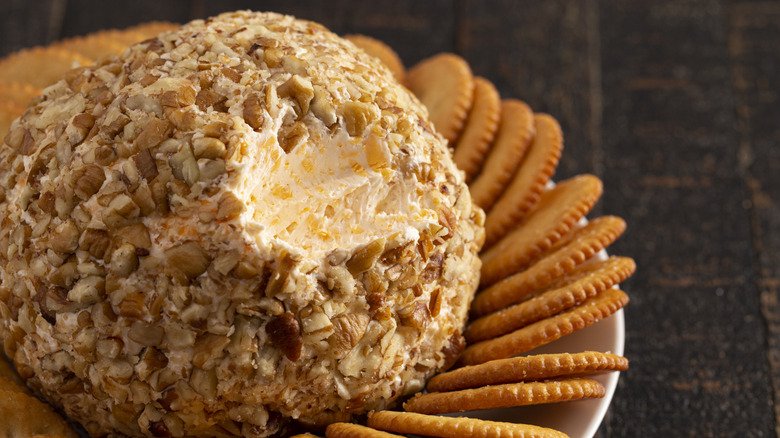
Building a charcuterie board from scratch is a trendy way to elevate your party appetizers, and it just might be the perfect place to bring back a vintage classic: the cheese ball. Not only are cheese balls visually interesting and endlessly customizable, but they also have a fascinating history in American cuisine. It is rumored that the first-ever cheese ball, made for President Thomas Jefferson, weighed over 1,000 pounds and was rolled across the White House lawn. Since then, cheese balls have become a classic party staple. Often made with soft cheese like cream cheese or goat cheese, the balls tend to be savory and mixed with a variety of ingredients, like bacon and ranch, or cranberries and walnuts.
Apple dumplings
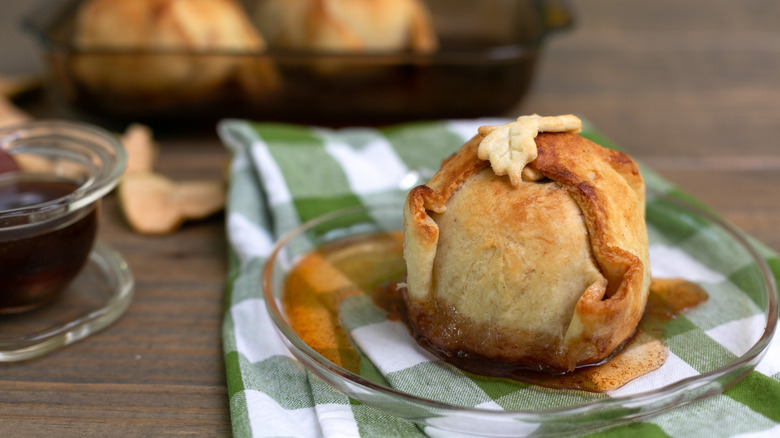
If you've been to Pennsylvania in the fall, you may have heard about apple dumplings. These tasty desserts originated in England in the 1700s and spread to many states in the U.S., but they really took hold in Pennsylvania, where they are still made today. Apple dumplings are a simple, tasty dessert made by peeling and coring an apple. The apple core is then stuffed with dried fruits and nuts, and covered in a flavored butter sauce. Next, the apple is wrapped in homemade pie dough and baked.
Some dumplings are served with a cinnamon, sugar sauce on top for an even more decadent experience. Apple dumplings have become a regional delicacy, but they deserve widespread acclaim. Next time you're craving a classic apple crisp or an apple pie, try something new and give apple dumplings a go.
Creamed peas
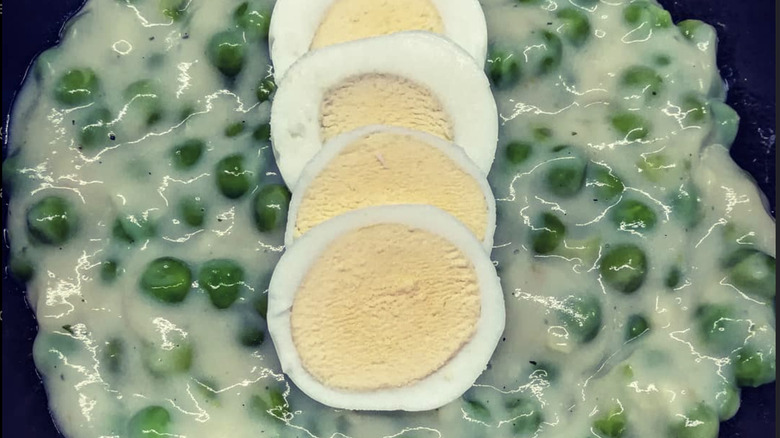
Simple yet classic, creamed peas were once a popular Thanksgiving side, but the dish seems to be missing from the dinner table these days, beaten out by sides like green bean casserole or roasted Brussels sprouts. However, creamed peas are affordable, filling, and can be a year-round addition to your weekly meal plan. Originating in the late 1800s, creamed peas were developed at a time when home cooks served vegetables with bechamel for a more filling meal.
In the 1940s and 1950s, when canned goods and frozen goods started to become readily available at grocery stores nationwide, creamed peas made their way onto plates around the country. This dish can use canned or frozen peas, mixed into a roux-based white sauce and seasoned simply with salt and pepper. To spice it up, caramelized onion, crispy bacon, a boiled egg, or fresh herbs can be added.
Ozark pudding
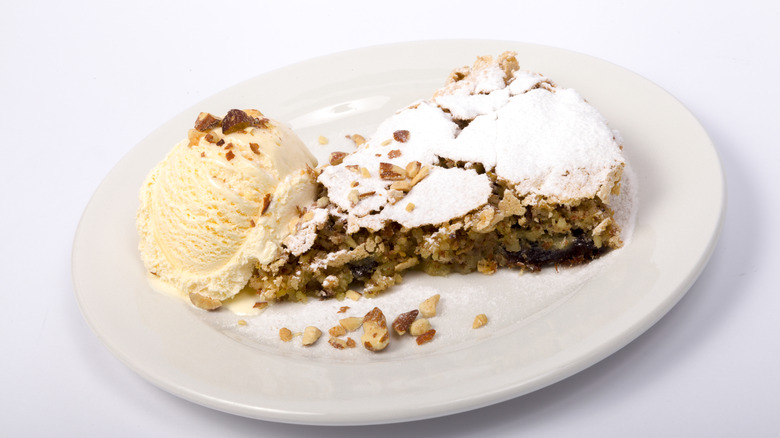
A favorite dessert of former President Harry S. Truman, his wife Bess Truman's Ozark pudding was a big hit. During Truman's presidency, people even wrote letters to the White House asking for his wife's recipe. Ozark pudding, a dish likely originating from the Ozark mountain region, is a rustic dessert made with apples and nuts.
Drier in consistency than a typical pudding, the dish is made from a batter of egg, sugar, flour, and baking soda, seasoned with vanilla. Chopped raw apples and chopped pecan nuts get folded into the batter, and it all gets baked together. Sprinkling nuts on top adds an extra textural component, and whipped cream or ice cream on the side adds an extra layer of indulgence.
Pecan soufflé
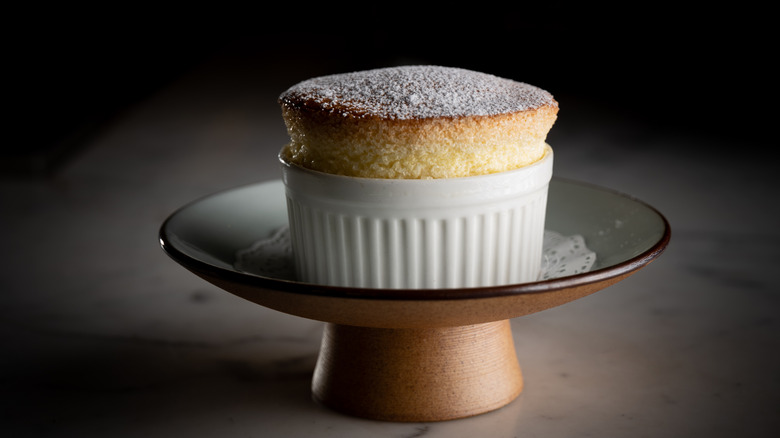
A French classic, the soufflé came to the U.S. in the late 1800s and became a staple at high-end restaurants in New York and San Francisco. Soufflés also became a common dish for home cooks in the 1950s, with both sweet and savory versions garnering traction. By the 1980s, French fine dining restaurants lost their appeal in the U.S., and as a result, so did the soufflé.
During the 1930s, when the dish was still popular, brands like Pillsbury released recipes for different types of soufflés, one of them being a pecan soufflé. This soufflé is made by creating a paste of flour and milk, and adding that to a mixture of egg yolk, sugar, pecans, and vanilla. This is folded into beaten egg whites and baked in a water bath to prevent overcooking.
King Ranch Casserole
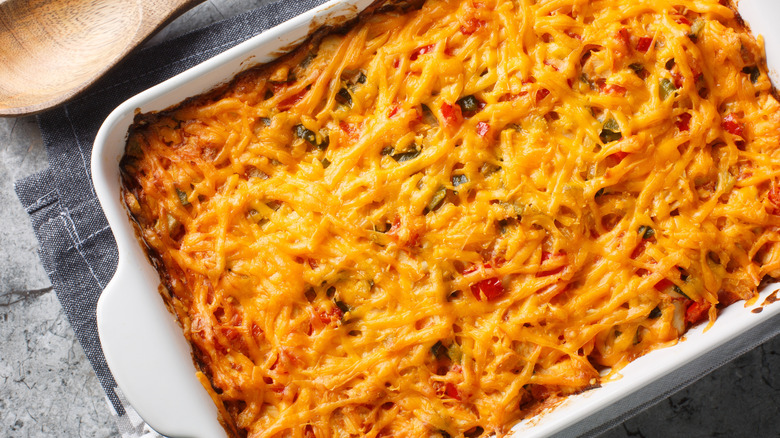
Filled with South Texas flavors, King Ranch casserole is a comforting meal that highlights those classic Tex-Mex flavors. Recipes for King Ranch casserole have been around since the 1950s, which is evident in the casserole itself, as it utilizes canned goods like canned cream of chicken and cream of mushroom soups. A former potluck staple, King Ranch casserole is a hearty dish made with bell peppers and onions, canned tomatoes, and cheddar cheese. Corn tortillas and roasted chicken are layered throughout. When put together, a creamy, gooey, savory masterpiece is created. Casseroles, in general, are a nourishing and warming meal that deserve more recognition, and King Ranch casserole is the perfect variation to incorporate into your dinner rotation.
Tomato pudding
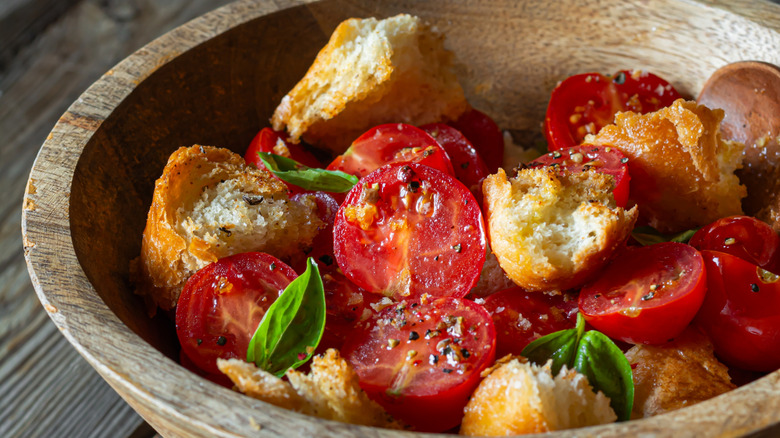
Tomato pudding doesn't seem super appealing at first glance. Essentially a bread pudding using tomato sauce instead of custard, the dish was once a Southern classic that has faded into history. However, you can't really go wrong with saucy tomatoes and crusty bread. Once a favorite of Henry Ford, this dish uses tomato puree that is simmered with equal parts brown sugar and a bit of water. The sauce, along with melted butter, is poured over homemade croutons and baked. It's best served after sitting for a few hours, so the bread can thoroughly absorb all of the flavors. Next Thanksgiving, if you have an extra can of tomato puree in the cupboard and want to try out a new side dish, take a run at tomato pudding.
Marlborough pie
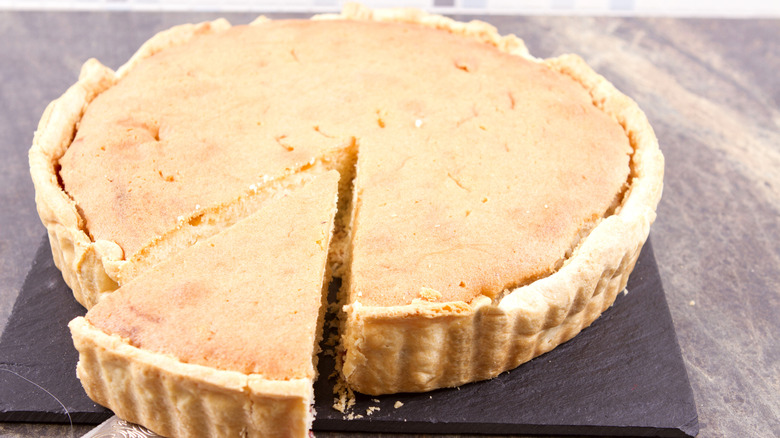
A New England staple dating back to the 1600s, this vintage pie's recipe has remained largely the same for centuries. Marlborough pie, an apple-custard pie, has a name of mixed origins. Theories suggest it's named for a street in Boston, or a town in Massachusetts, but the true roots are unknown. No matter where its name came from, the pie was once a popular Thanksgiving staple.
Made with cream, lemon juice, sherry, nutmeg, and applesauce, Marlborough pie was likely even more popular than pumpkin pie in the early years of Thanksgiving traditions. Some areas of Massachusetts still serve up Marlborough pie on holidays, but if you can't get to the Bay State, this pie is a great one to try out at home.
Pumpkin butter
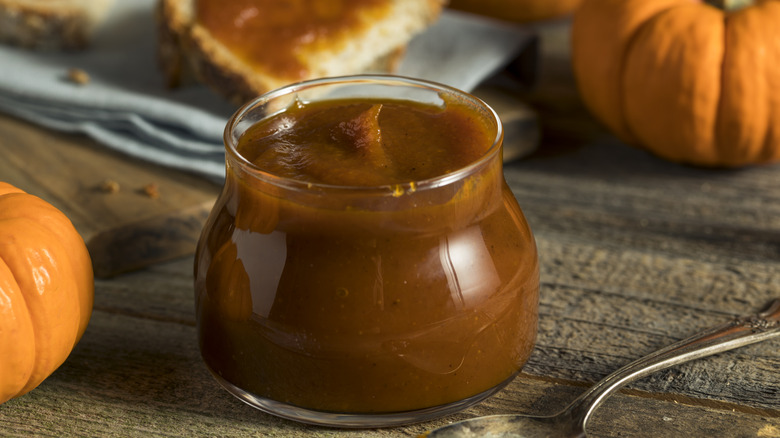
If you've ever tried apple butter or other fruit butters, you'd know there's no dairy in this dish. Pumpkin butter is a fruit spread made by slowly cooking fruit pulp with ingredients like sugar or spices for hours on end until the mixture is thick and concentrated. The resulting consistency is smooth, creamy, and spreadable like butter. Fruit butters were thought to have been introduced to the U.S. by the Pennsylvania Dutch in the 1600s. Most early recipes, including pumpkin butter recipes, are dated to the 1800s.
During this period, many pumpkin delicacies emerged, as sweet pumpkin recipes became trendy. Nowadays, you're more likely to come across apple butter than pumpkin butter. However, pumpkin butter is the perfect fall treat for pumpkin lovers. This spread would be great on a piece of toast, paired with a warm cup of chai or a pumpkin spice latte.
Election cake
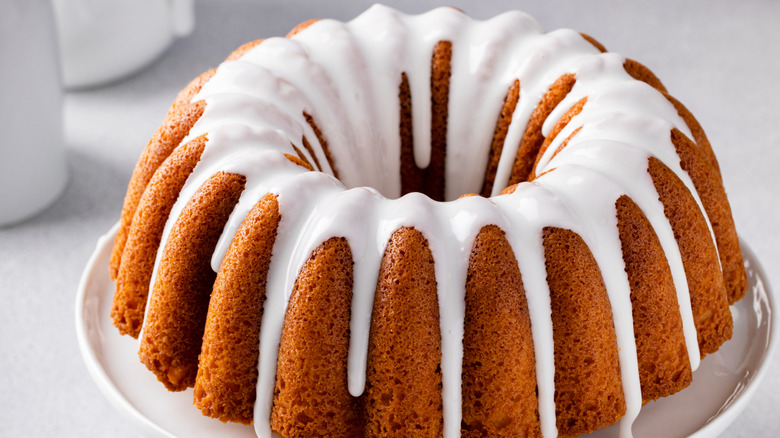
Originally from England, this vintage cake took root in American colonial-era elections. In Connecticut during the 17th and 18th centuries, electing a governor was a big deal. On election day, colonists would perform their civic duty, often visiting family members and friends whom they hadn't seen for a while. After ballots were counted, a banquet was held, and Election cake was served.
Election cake was essentially a yeasted fruit cake. It included warming spices, liquors like brandy, and dried fruit. Common inclusions were raisins or chopped figs. Some versions of this patriotic cake included frosting, like "boiled milk frosting," which is like a cross between buttermilk frosting and whipped cream. The cake acted as both a tradition and a reward for partaking in the election process. Although lost to time, election cakes could be an exciting way to celebrate the U.S.'s democratic history.
Spoonbread
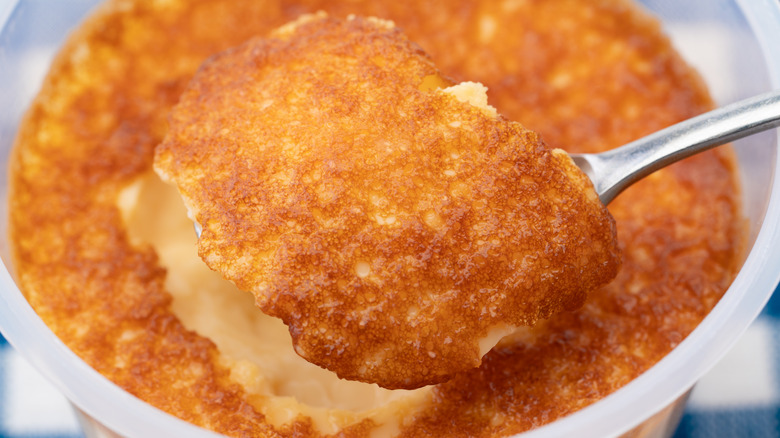
A traditional Southern dish and a favorite of the 5th U.S. president, James Monroe, spoonbread is a custardy cornbread dish, reminiscent of a soufflé. This dish gets its name because it's so soft it can be scooped with a spoon rather than cut. The recipe for spoonbread first appeared in a cookbook from 1824, but the main standard for spoonbread came from an 1847 cookbook, "The Carolina Housewife."
Spoonbread is essentially a fluffier, moister version of cornbread, and includes cornmeal, eggs, butter, and milk along with other seasonings. Over the years, variations have included ingredients like scallions, cheese, and even maple syrup for a sweet twist. For extra texture, add corn kernels to the mix. Spoonbread would pair well with Thanksgiving dishes or Southern staples like collard greens and pork chops.